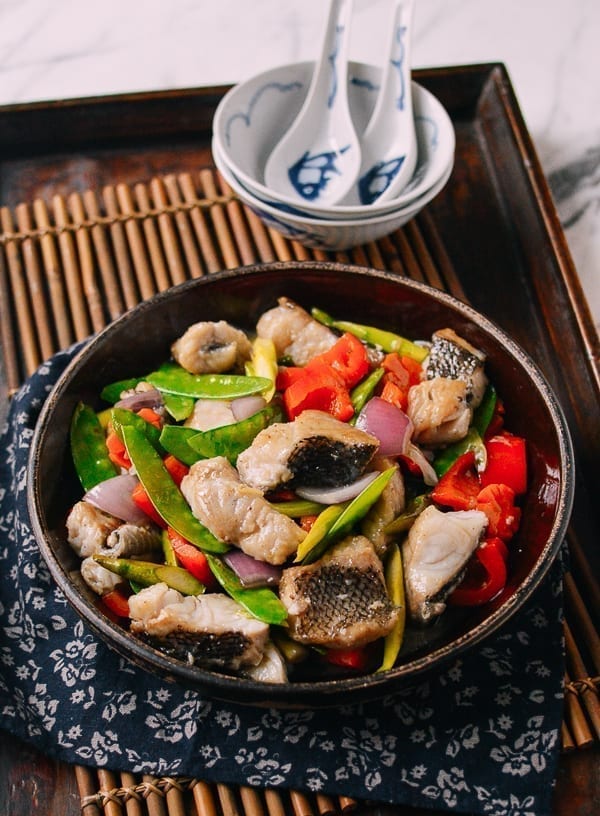
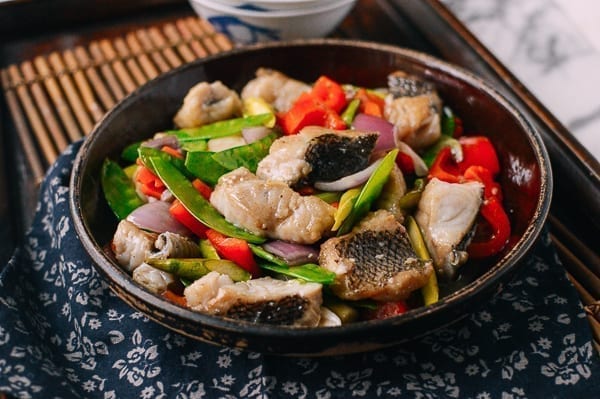
While we Chinese love to take down a whole fish, sometimes you want a break from all the bones! This restaurant-style chow yee kow fish stir-fry does the trick.
It’s a great dinner recipe for anyone intimidated by cooking a whole fish and prefers to work with fillets, or anyone looking for a healthy one-pan meal with plenty of protein and vegetables.
What Is “Chow Yee Kow”?
In short, it’s a fish stir-fry. “Chow Yee Kow” is the Cantonese term for stir-frying chunks of fish. It’s a fancier restaurant-style dish, which, while simple, may show up on a banquet table!
As such, we’ve got all the next-level chef’s tips for restaurant-quality Chow Yee Kow—crunchy, brightly colored vegetables, a glossy sauce, and silky pieces of fileted fish.
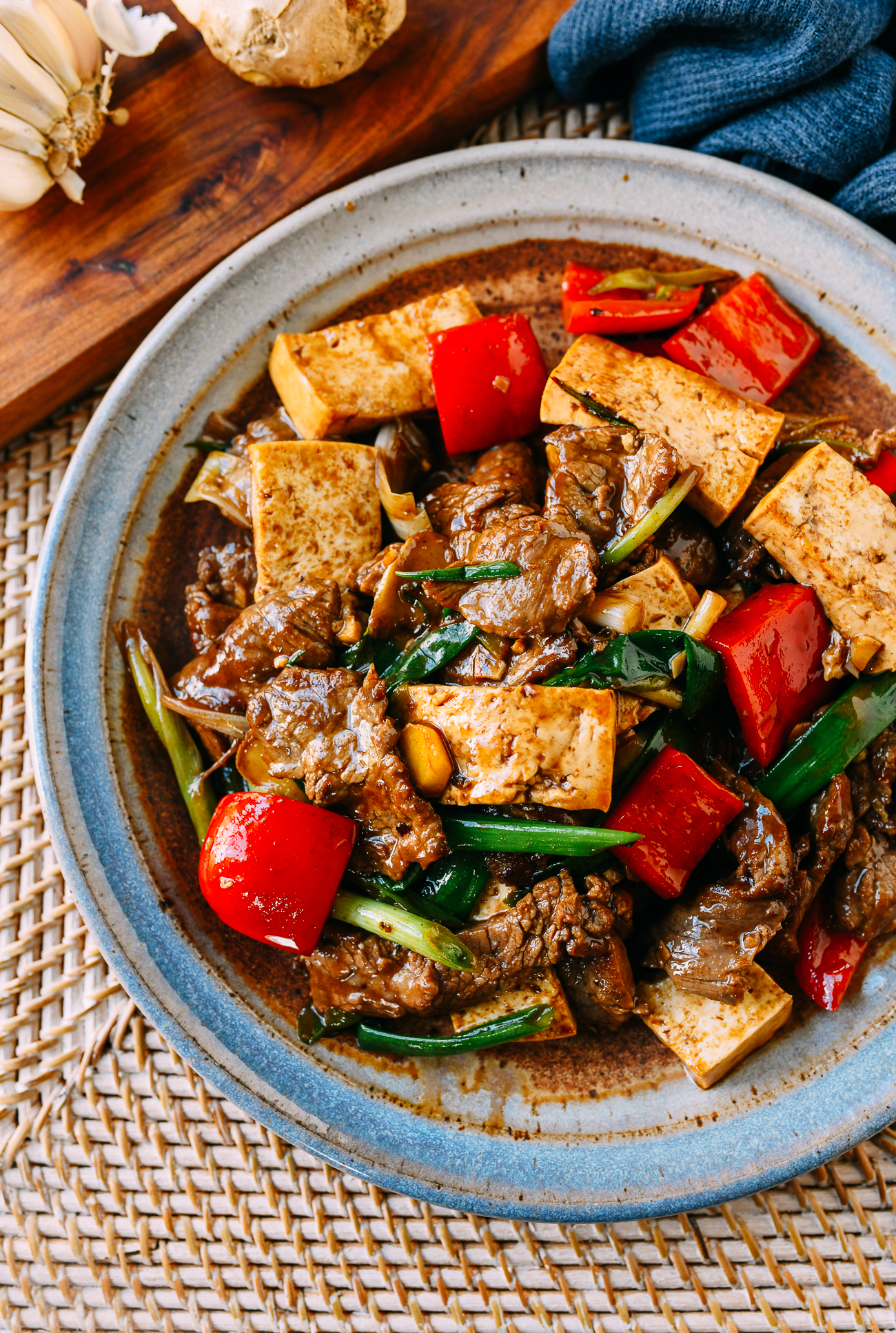
The same concept and term is applied to beef, as with our Chow Steak Kow (Beef Steak Stir Fry). Combine both for an awesome surf and turf dinner!
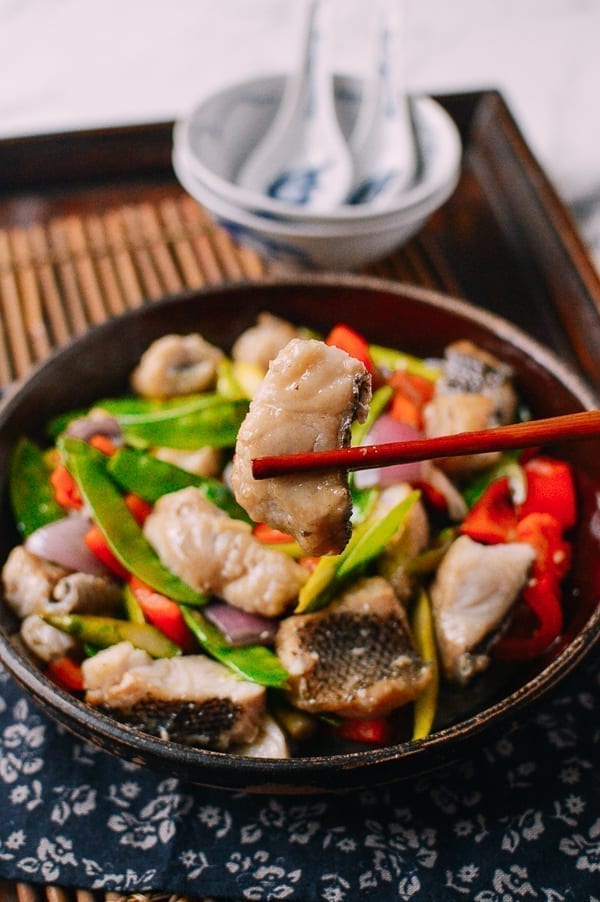
How to Velvet Fish for Stir-fries
Velveting is a Chinese cooking process involving marinating proteins before poaching or searing. Velveting tenderizes, seals in moisture, and yields a smooth “velvety” texture. If you’ve ever made one of our stir-fries, chances are, you’ve velveted meat!
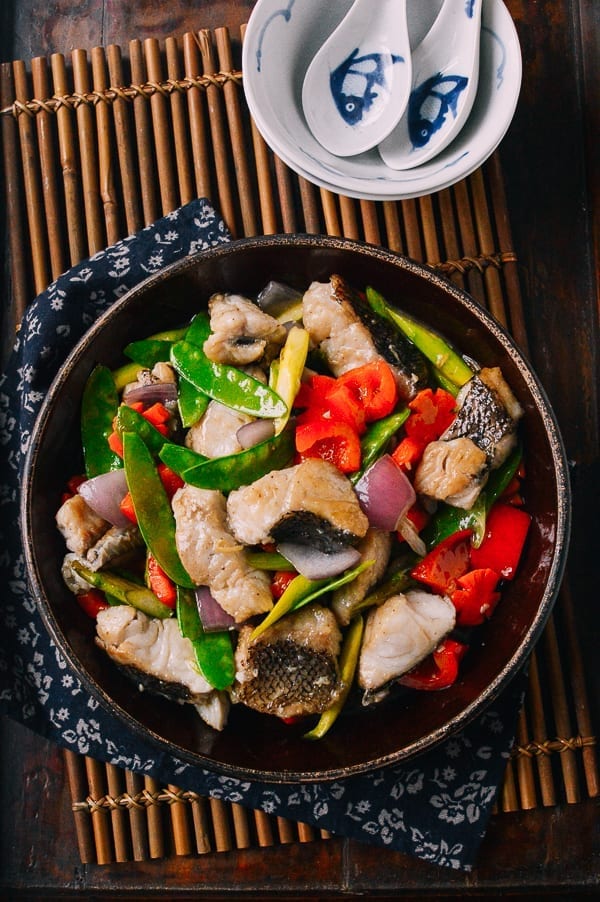
We’ve posted a guide on velveting beef in the past, but today, let’s talk about fish. In general, fish don’t require as much tenderizing, but the velveting process does help with seasoning and developing the stir-fry sauce via cornstarch and oil. (Some recipes even call for egg whites, but we believe this is unnecessary.)
The Best Fish for Stir-frying
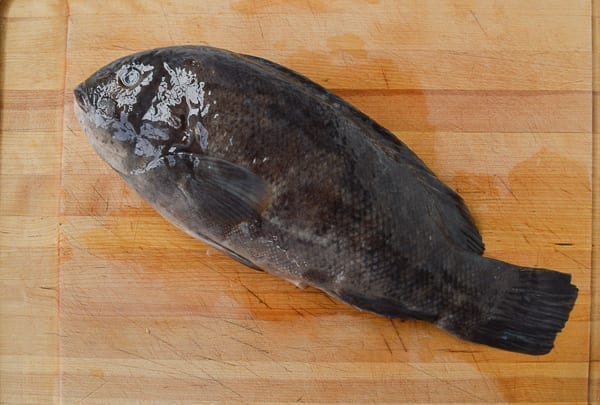
For this Chow Yee Kow, we used freshly caught blackfish fillets with the skin on—a more common Chinese preparation—but you can use any firm white fish.
Here are some other quick tips to guide your fish selection and preparation:
- Use any firm white fish you prefer, but avoid flounder or sole, which are too delicate. You’ll end up with a thousand fish pieces instead of nice chunks!
- Leaving the fish skin on is a personal preference. I think the taste and presentation is superior, but you do have to scale the fish if you keep the skin. You can also ask your fishmonger to do this for you!
- Velveting the fish, including the marinating time, is a must-do!
- Deciding between searing the fish in a hot wok or blanching the fish before stir-frying is up to your personal preference. If you do decide to blanch the fish in water, add another ¼ teaspoon of salt to the marinade, as much of the salt will wash away during blanching.
- How large you cut your chunks of fish is also a personal preference, but I like to make them about 1½ inch cubes—small enough for a bite but large enough to make a statement on the plate!
And for you Chinese elders and moms out there, if you start with a whole fish and then remove the fillets, the rest of the fish makes for a nice homestyle Fish Tofu Soup. There’s no waste in our house!
About Blackfish and How to Catch Them
We used Blackfish (also called tautog) in this recipe. It’s a Chinese favorite, known as hock bahn in Cantonese. Sweet tasting and both firm and delicate, it’s ideal for a Chinese fish stir fry.
But tautogs are hard to catch! They eat shellfish (we fish with small green crabs for bait) and hide among rocks, so it’s all too easy to lose your fishing rig.
There’s also some extra skill involved in detecting the blackfish’s first bite, then some patient waiting for them to inhale your bait (to crush it with their inner jaws and teeth) before you set the hook.
Until I learned this skill, it was frustrating to see others reel in tautogs while I came up empty—and robbed of my bait!
That said, Montauk is proclaimed as the “Fishing Capital of the World,” and I agree, as I love to fish there and know that I’ll get a good catch—one that includes Blackfish!
We’ve been on many fishing trips to catch black sea bass, porgies, and striped bass, both off the surf and on fishing charters. I usually go with a regular fishing crew of cousins and friends a few times a year. Here are a couple photos of our last Blackfish trip!
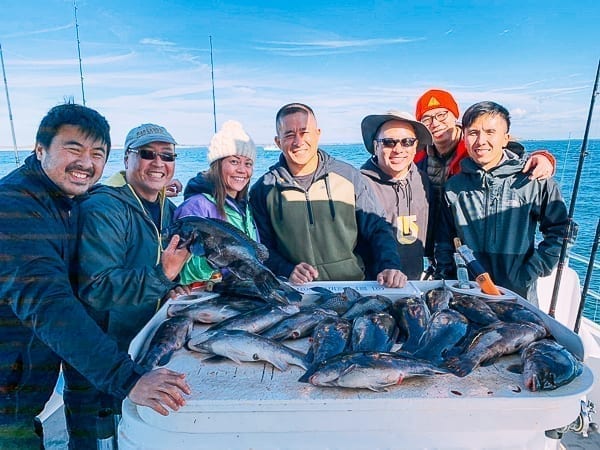

As for the rest of The Woks of Life crew, Judy and I have had some great days porgy fishing, and even Sarah and Kaitlin got into the action during our most recent summer Montauk trip.
But enough of the fisherman talk. Let’s make this fish stir-fry for dinner!
Fish Stir-fry Recipe Instructions
Pat your fish filet dry and cut into 1½ inch pieces. Transfer to a bowl, and add Shaoxing wine, salt, white pepper and canola oil. Mix until all the fish is coated. Set aside for 10 minutes before adding the cornstarch and tossing to coat. There should be no standing liquid or any visible dry cornstarch. Add a bit more cornstarch or pour off excess liquid as needed. Set aside.
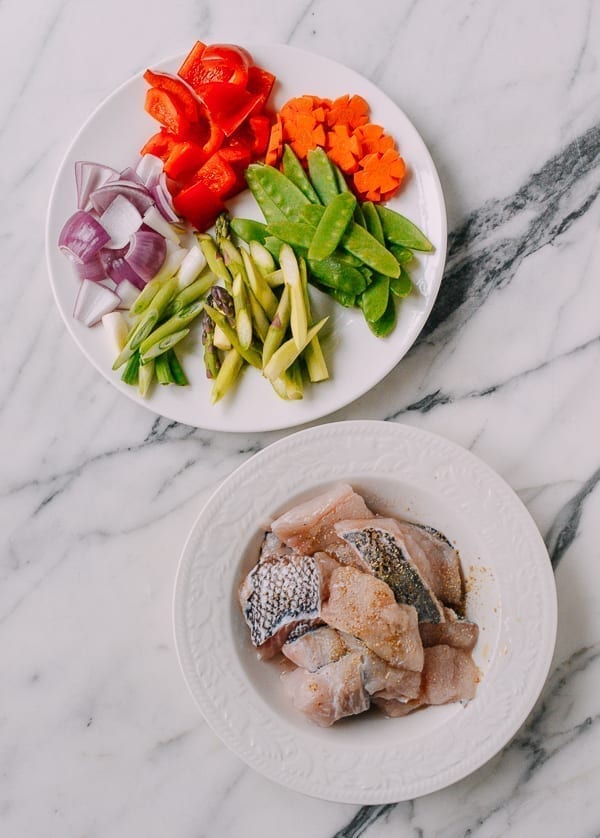
In a small bowl, mix the hot chicken stock, sesame oil, salt, sugar, white pepper and oyster sauce. Set aside.
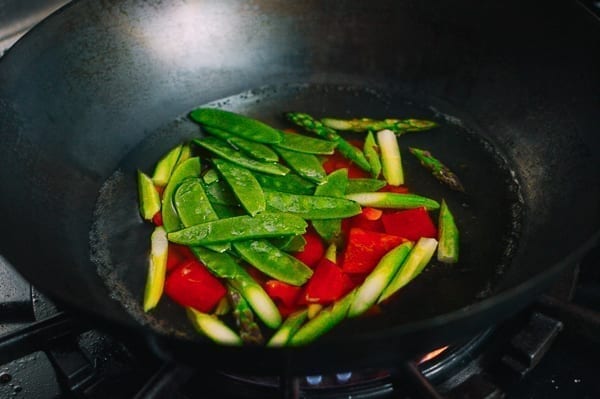
Boil enough water to blanch the vegetables in your wok. Add the carrots, asparagus, red bell pepper, and celery if using. After 15 seconds or until the water begins to simmer again, stir in the snow peas for 10 seconds, and quickly transfer the vegetables to a cool water bath. Drain thoroughly in a colander.
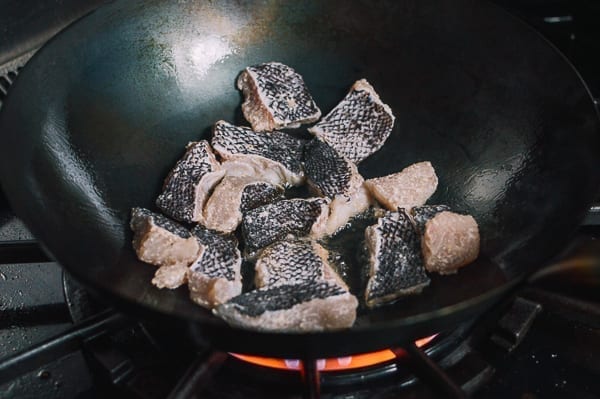
Velvet your fish, cooking it until it’s just shy of totally cooked through (the final cooking will take place when everything gets stir-fried together).
- Option 1: Water velveting: If you prefer to blanch your fish, wait until the water comes back to a boil, and gently place the fish chunks into the water. Bring back to a simmer. Gently scoop out the fish after about 2-3 minutes, and set aside.
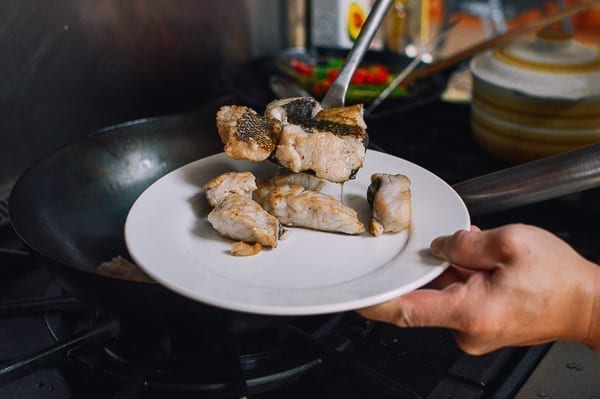
- Option 2: Oil velveting or searing: Oil velveting is another word for frying the fish in hot oil—the most common restaurant technique. But searing the fish is a healthier alternative that uses a fraction of the oil. Heat the wok to high heat. Spread 2 tablespoons of canola oil around the wok. Once the oil starts to smoke, add the fish filets, and let them sear for a minute on each side. Transfer them to a plate when done. To boost your confidence for this step, see Judy’s technique for how to keep food from sticking to your wok.
We seared our fish!
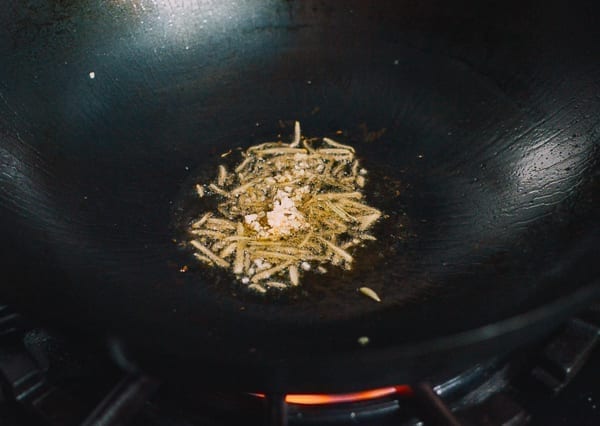
Clean and dry the wok, and set it over medium heat. Add 1 tablespoon of oil and the julienned ginger.
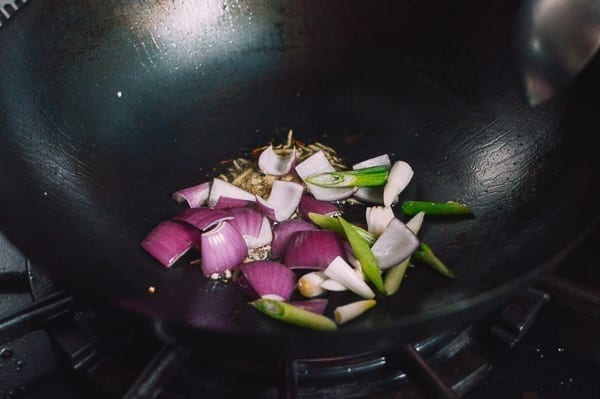
After 10 seconds, add the garlic, red onions, and scallions. Turn the heat to high, stir-frying the mixture for about 20 seconds. The wok should be sizzling and super hot.
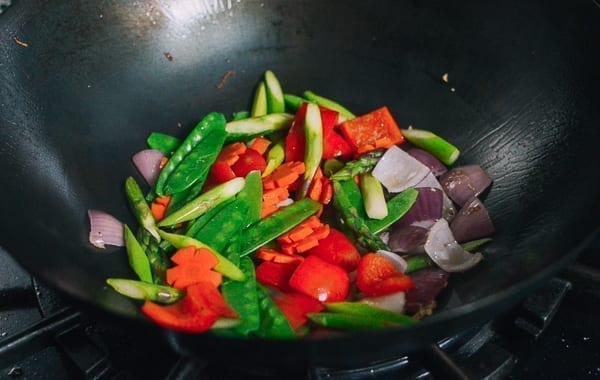
Add the blanched vegetables, and stir fry for 30 seconds.
Pour in the sauce mixture you prepared earlier. If your stove burner and wok lacks heat, pop the sauce into the microwave to heat it up for 10 seconds on high, so it doesn’t cool the wok when you add it!
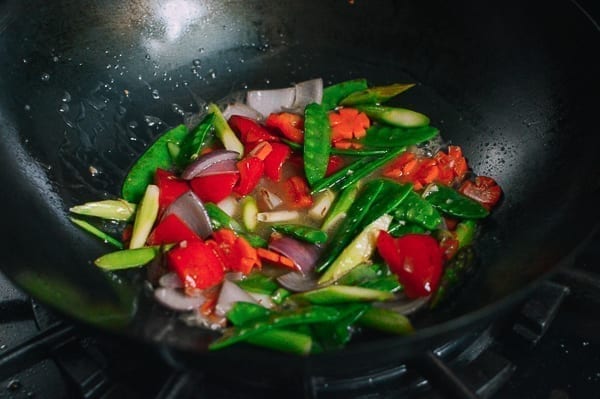
Drizzle in about half of the cornstarch slurry, while stirring your vegetables. Now, gently pour the fish on top and fold the fish in with the vegetables.
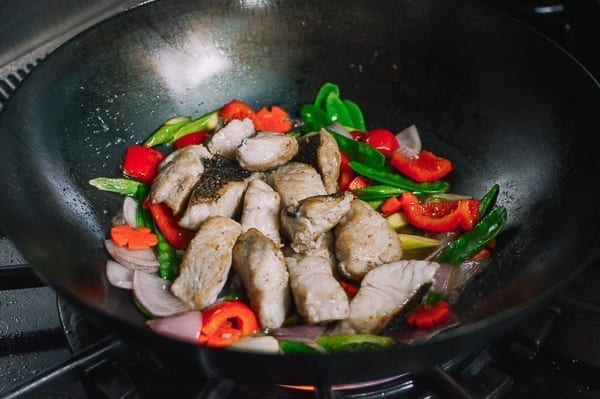
Add a bit more cornstarch slurry if there is still standing liquid. All the sauce should be clinging to the vegetables and fish. Make sure you cook the dish for 20 seconds after adding the cornstarch slurry. This ensures that there’s no raw cornstarch flavor.
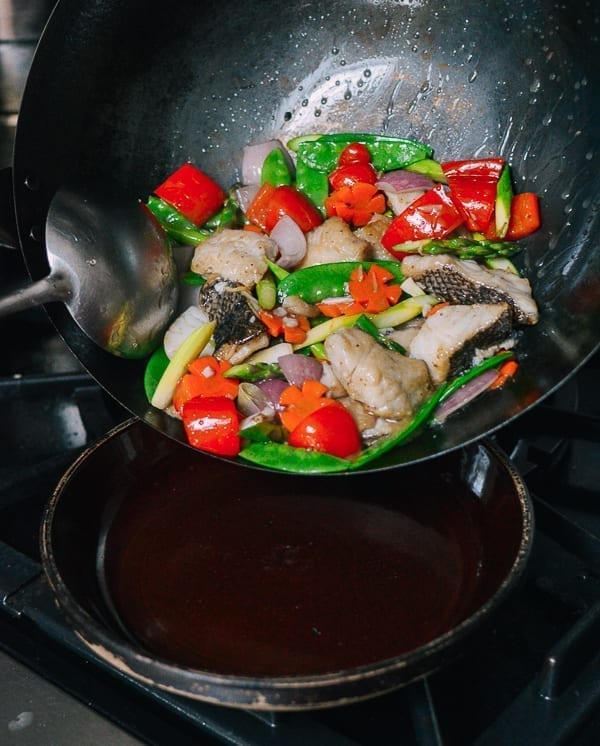
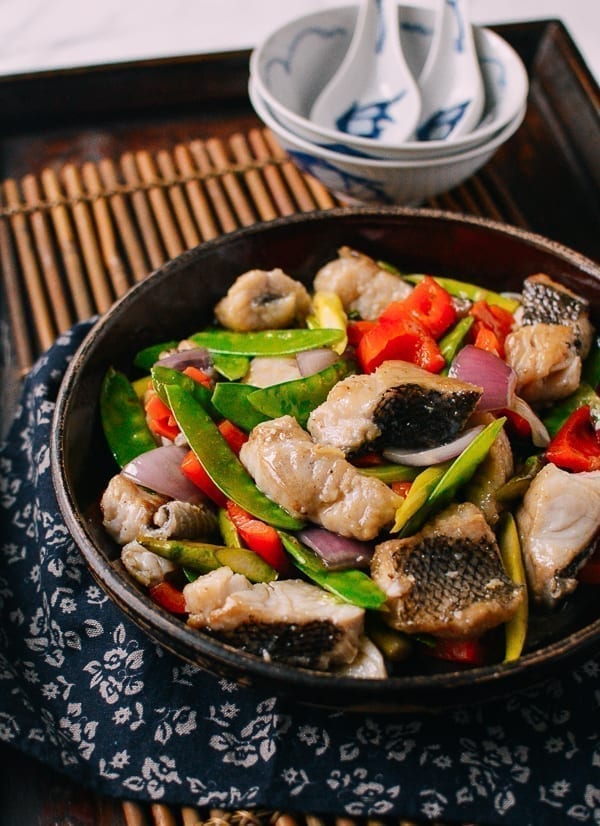
One last restaurant chef’s trick to make your dish more attractive is to add a drizzle of oil at the end to finish the dish right before you plate it. Serve immediately with steamed rice!
Looking for more authentic recipes? Subscribe to our email list and be sure to follow us on Pinterest, Facebook, Instagram, and Youtube!
Recipe

Fish Stir Fry
Ingredients
For the marinade:
- 20 ounces blackfish (tautog filet, or any other firm white fish like black sea bass or striped bass, 570g)
- 1 tablespoon Shaoxing wine
- 1/2 teaspoon salt
- 1/8 teaspoon white pepper
- 1/2 teaspoon vegetable oil
- 2 teaspoons cornstarch
For the rest of the dish:
- 1/4 cup chicken stock (warmed)
- 1/4 teaspoon sesame oil
- 1/4 teaspoon salt
- 1/4 teaspoon sugar
- 1/4 teaspoon white pepper (or to taste)
- 2 teaspoons oyster sauce
- 1 small carrot (thinly sliced at an angle)
- 4 stalks asparagus (cut into 2-inch pieces at an angle)
- 1/2 red bell pepper (cut into 1-inch chunks)
- 1 stalk celery (optional, sliced at an angle)
- 1 small handful snow peas (or sweet snap peas)
- 3 tablespoons vegetable oil
- 1 tablespoon ginger (julienned)
- 1 clove garlic (chopped)
- 1/4 cup red onion (cut into 1-inch chunks)
- 1 scallion (cut into 2-inch pieces at an angle)
- 1 1/2 tablespoons cornstarch (mixed into a slurry with 2 tablespoons water)
Instructions
- Pat your fish filet dry and cut into 1½ inch pieces. Transfer to a bowl, and add Shaoxing wine, salt, white pepper and canola oil. Mix until all the fish is coated. Set aside for 10 minutes before adding the cornstarch and tossing to coat. There should be no standing liquid or any visible dry cornstarch. Add a bit more cornstarch or pour off excess liquid as needed. Set aside.
- In a small bowl, mix the hot chicken stock, sesame oil, salt, sugar, white pepper and oyster sauce. Set aside.
- Boil enough water to blanch the vegetables in your wok. Add the carrots, asparagus, red bell pepper, and celery if using. After 15 seconds or until the water begins to simmer again, stir in the snow peas for 10 seconds, and quickly transfer the vegetables to a cool water bath. Drain thoroughly in a colander.
- Velvet your fish, cooking it until it’s just shy of totally cooked through (the final cooking will take place when everything gets stir-fried together).
- Option 1 – Water velveting: If you prefer to blanch your fish, wait until the water comes back to a boil, and gently place the fish chunks into the water. Bring back to a simmer. Gently scoop out the fish after about 2-3 minutes, and set aside.
- Option 2 – Oil velveting or searing: Oil velveting is another word for frying the fish in hot oil—the most common restaurant technique. But searing the fish is a healthier alternative that uses a fraction of the oil. Heat the wok to high heat. Spread 2 tablespoons of canola oil around the wok. Once the oil starts to smoke, add the fish filets, and let them sear for a minute on each side. Transfer them to a plate when done. To boost your confidence for this step, see Judy’s technique for how to keep food from sticking to your wok.
- Clean and dry the wok, and set it over medium heat. Add 1 tablespoon of oil and the julienned ginger. After 10 seconds, add the garlic, red onions, and scallions. Turn the heat to high, stir-frying the mixture for about 20 seconds. The wok should be sizzling and super hot.
- Add the blanched vegetables, and stir fry for 30 seconds. Pour in the sauce mixture you prepared earlier. If your stove burner and wok lacks heat, pop the sauce into the microwave to heat it up for 10 seconds on high, so it doesn’t cool the wok when you add it!
- Drizzle in about half of the cornstarch slurry, while stirring your vegetables. Now, gently pour the fish on top and fold the fish in with the vegetables. Add a bit more cornstarch slurry if there is still standing liquid. All the sauce should be clinging to the vegetables and fish. Make sure you cook the dish for 20 seconds after adding the cornstarch slurry to ensure that there’s no raw cornstarch flavor.
- One last restaurant chef’s trick to make your dish more attractive is to add a drizzle of oil at the end to finish the dish right before you plate it. Serve immediately with steamed rice!