Sweet and sour sauce dishes are some of the most iconic out there. Even in China, dishes like sweet and sour pork (咕噜肉 – gū lū ròu) and Sweet and Sour Squirrel Fish, (松鼠魚 – songshǔ yú), a famous recipe from Jiangsu Province, have spread across the country. Today, we’re going to talk about how to make our Chinese sweet and sour sauce recipe, whether it’s for dipping fried takeout delights like egg rolls, or for tossing ingredients in!
What is Sweet and Sour Sauce?
While there are many variations, sweet and sour sauce is generally a translucent, sweet, and tangy Chinese sauce thickened with starch. You can use it either in Chinese sweet and sour sauce dishes or as a dipping sauce for fried foods. (Or for any other creative uses you can think of in your kitchen!)
But not all sauces are created equal. I’m sure many of you have had pale-colored sauces that tasted mostly like ketchup, or bright neon red sauces loaded with food coloring.
Our master sweet and sour sauce recipe has depth of flavor from the right amount of sugar, vinegar and aromatics. Best of all, we give you tips and suggestions on how to change the sauce to your own preferences and recipe applications.
Each of our recipes, including sweet and sour fish, sweet and sour chicken, sweet and sour shrimp and sweet and pungent pork all have their own variations in the sauce. However, if you like, you can use this master sweet and sour sauce recipe (perhaps with your own taste adjustments) instead!

Is Sweet and Sour Sauce Actually Chinese?
As we’ve already mentioned, sweet and sour dishes do actually exist in China. (Unlike other Chinese American dishes like General Tso’s Chicken or Chop Suey.)
However, it is a dish that has been heavily Americanized as well.
Many sweet and sour sauces here in the U.S. are much sweeter than the Chinese version. Many also contain a lot of ketchup, as ketchup’s sweet and tangy flavor and accessibility have made it a shortcut for U.S.-based cooks.
You may also see packaged sweet and sour sauces that contain processed ingredients, from high fructose corn syrup to red food coloring.
You’ll notice that several of our American-style sweet and sour recipes—including those made with pork, chicken, fish, or shrimp—do contain ketchup.
That said, with this sweet and sour sauce recipe, we wanted to create a richer flavor that didn’t just taste like ketchup at the outset. This version uses tomato paste as a base!
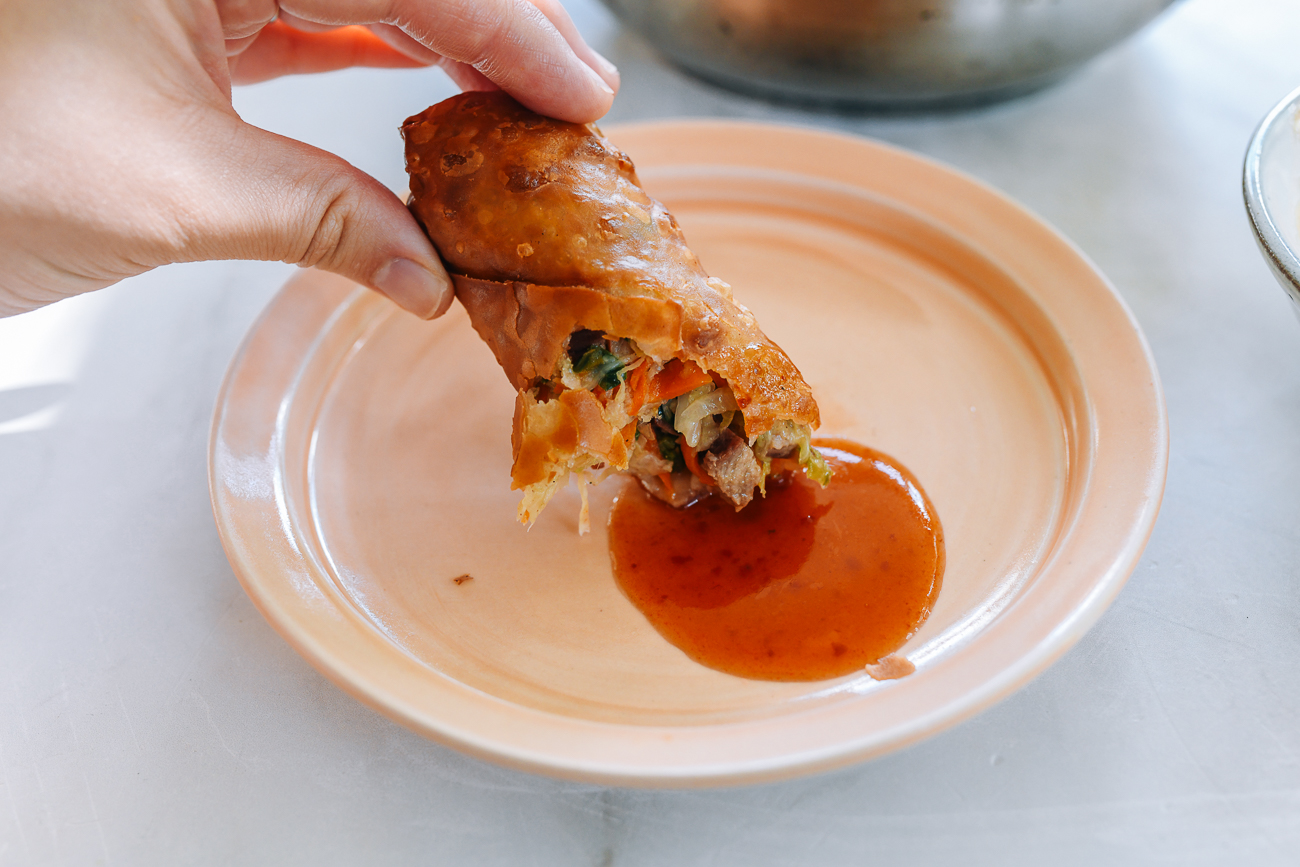
This sweet and sour sauce recipe can be used in both Chinese style recipes like Songshu Yu (Sweet and Sour Squirrel Fish), as well as American-style Sweet and Sour Chicken. It’s also great to use as a dipping sauce for fried foods like cream cheese wontons, fried wontons, egg rolls, crispy noodles, or fantail shrimp, as a glaze for meats, or anything else that might tickle your fancy!

Fun Fact from the family restaurant:
My father used to make a concentrated sweet and sour sauce with no water added. He’d keep it in jugs in the refrigerator as a more compact way to store it. When an order came in for a sweet and sour dish, he would add water to the sweet and sour concentrate and a little cornstarch slurry to finish the dish.
Recipe Variations and Tips:
- If you like, you can add some fruit juice or syrup from canned fruit to your sauce to customize the taste. We list some options/suggestions like pineapple, orange, lemon, or apple juice, but you can add any fruit juice/syrup you prefer. Just make sure you taste the sauce and add more vinegar or sugar to balance out the optional addition.
- Some like their sauce sweeter, and some like it tangier. Varying the vinegar and sugar types/amounts allows you to customize accordingly. In addition to experimenting with juices or syrups, you could also try using different kinds of vinegar like rice vinegar or apple cider vinegar. (We think that regular white vinegar gives the sauce the cleanest flavor, but to each their own!) Just remember to check the concentrations on the label, since some vinegars can be more or less acidic/sour. Different sugars (light or dark brown, raw sugar) have different sweetness levels that can also change the taste of your sauce. Whatever combinations you use, stir them in well and simmer the sauce for 1 minute to meld the flavors together. Taste as you go until you are satisfied with the result!
- We use tomato paste in this recipe because it has a neutral, rich tomato taste and a dark red color. We find that using ketchup can sometimes overwhelm the sauce with ketchup flavor. That said, if you like the ketchup flavor, use it!
- We like adding aromatics like star anise and ginger for depth of flavor. You can also add dried red chilies for a kick of heat, or omit these aromatics if you like your sauce plain.
- I can’t say this enough: use a non-reactive saucepan (such as stainless steel) to make this sauce. Don’t use your seasoned wok. The acidic sauce will eat away your patina. Not only that, it will end up in your sauce, giving it a metallic flavor!
Important Note!
We’ll use cornstarch slurry (a mixture of cornstarch and water) to thicken our sweet and sour sauce, but remember that with all the sugar in this sauce, it will already be quite thick. Only thicken your sauce if you plan on using it right away (say, as a dipping sauce). If you plan on making another dish with it, wait to thicken the sauce until you’re ready to cook the dish!
How Do You Store Sweet and Sour Sauce?
Sweet and sour sauce will keep in the refrigerator for a few weeks in a clean, airtight container. Be sure to handle the sauce with clean utensils to prevent spoilage. You can also store the sauce even longer in the freezer (3-4 months). Thaw it in the refrigerator overnight before using.
Sweet and Sour Sauce Recipe Instructions
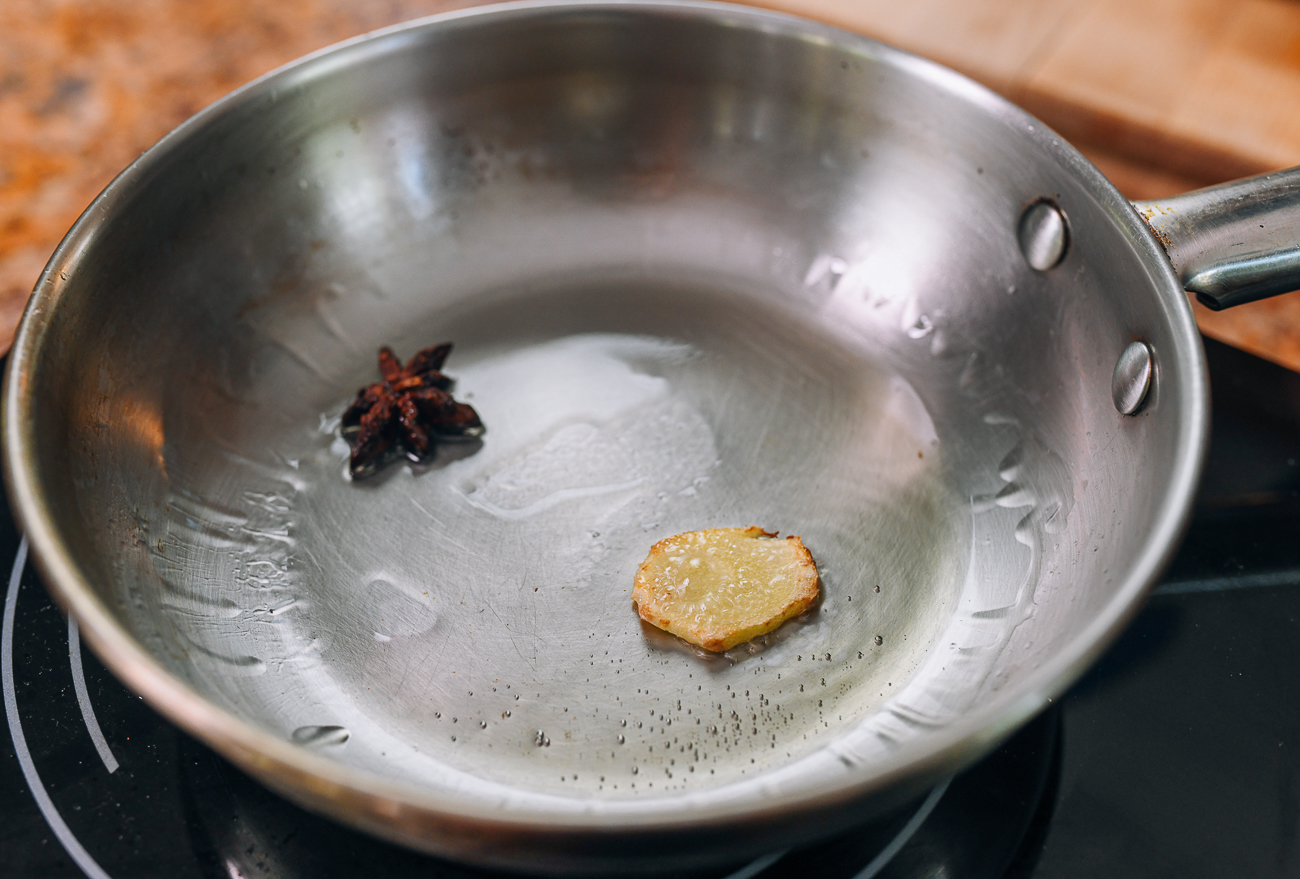
Add the oil, the ginger slice, and star anise to a small stainless steel or non-reactive saucepan over medium-low heat. (Definitely not your carbon steel wok!) Cook until the ginger starts to caramelize, about 1 minute.
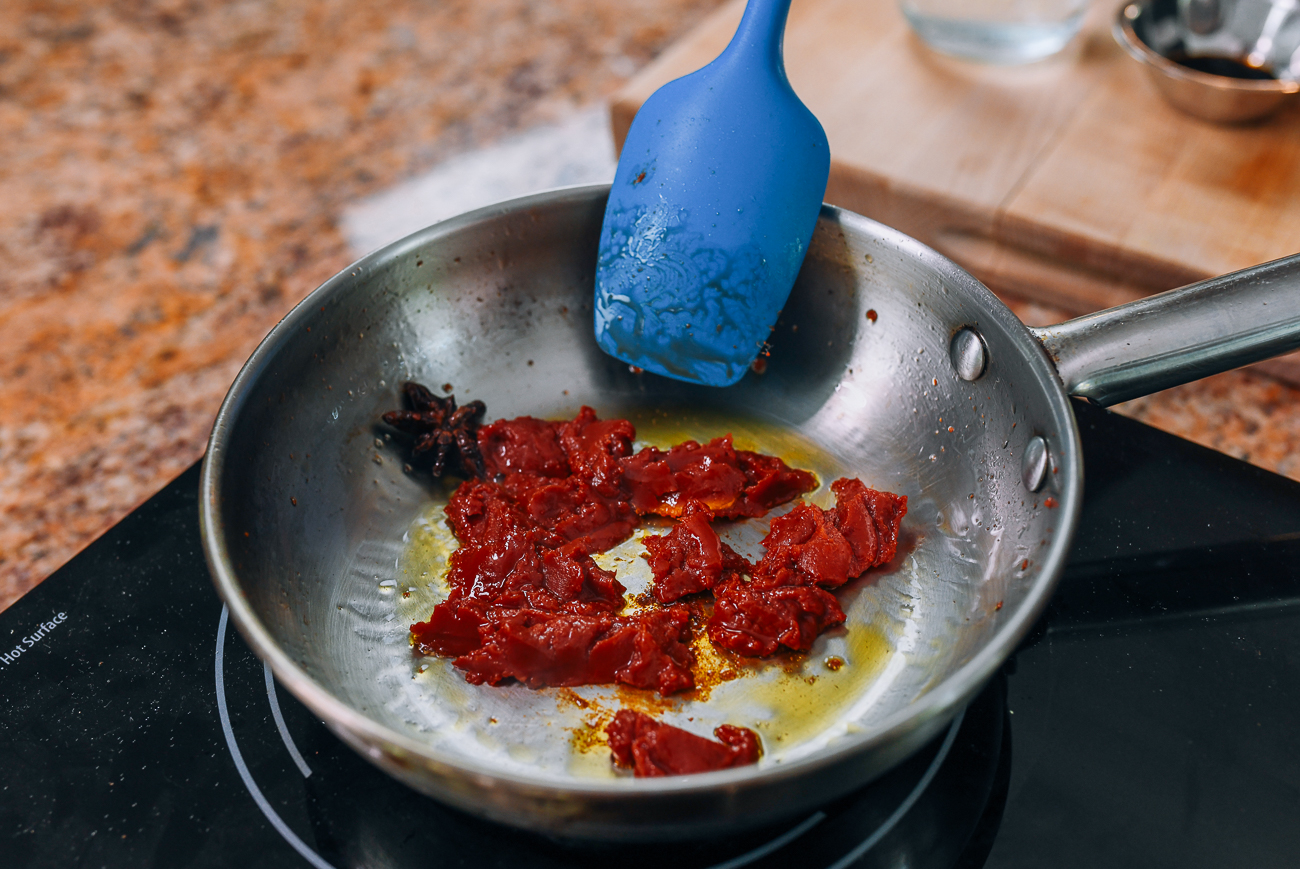
Next, add the tomato paste, stirring constantly until the tomato paste starts to caramelize—2 minutes. Take care not to burn the aromatics and tomato paste. This step is essential to giving the sauce a deeper, more complex flavor.
Next, stir in the sugar, water, white vinegar, and soy sauce. Bring everything to a simmer and cook until the sugar is completely dissolved. Add your optional fruit juice or syrup, if using.
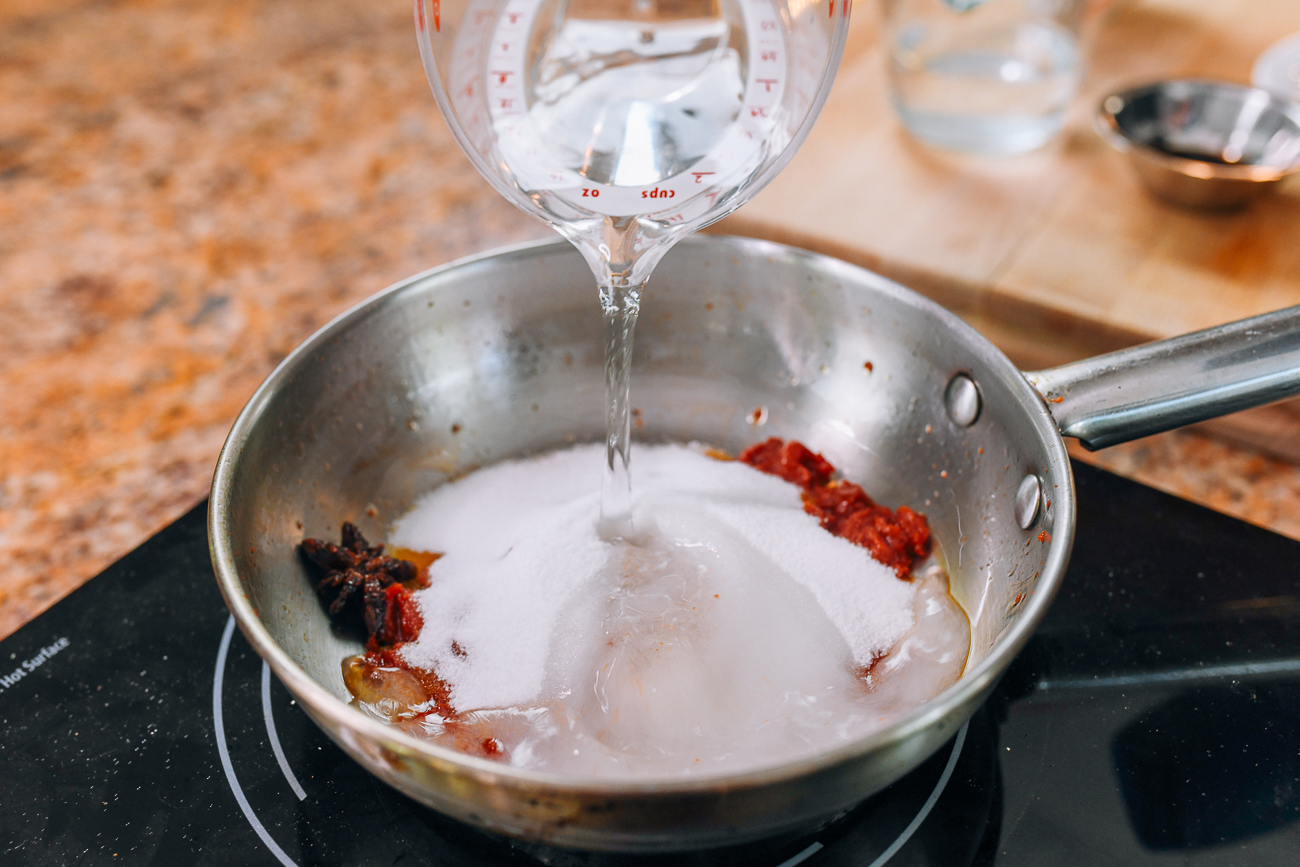
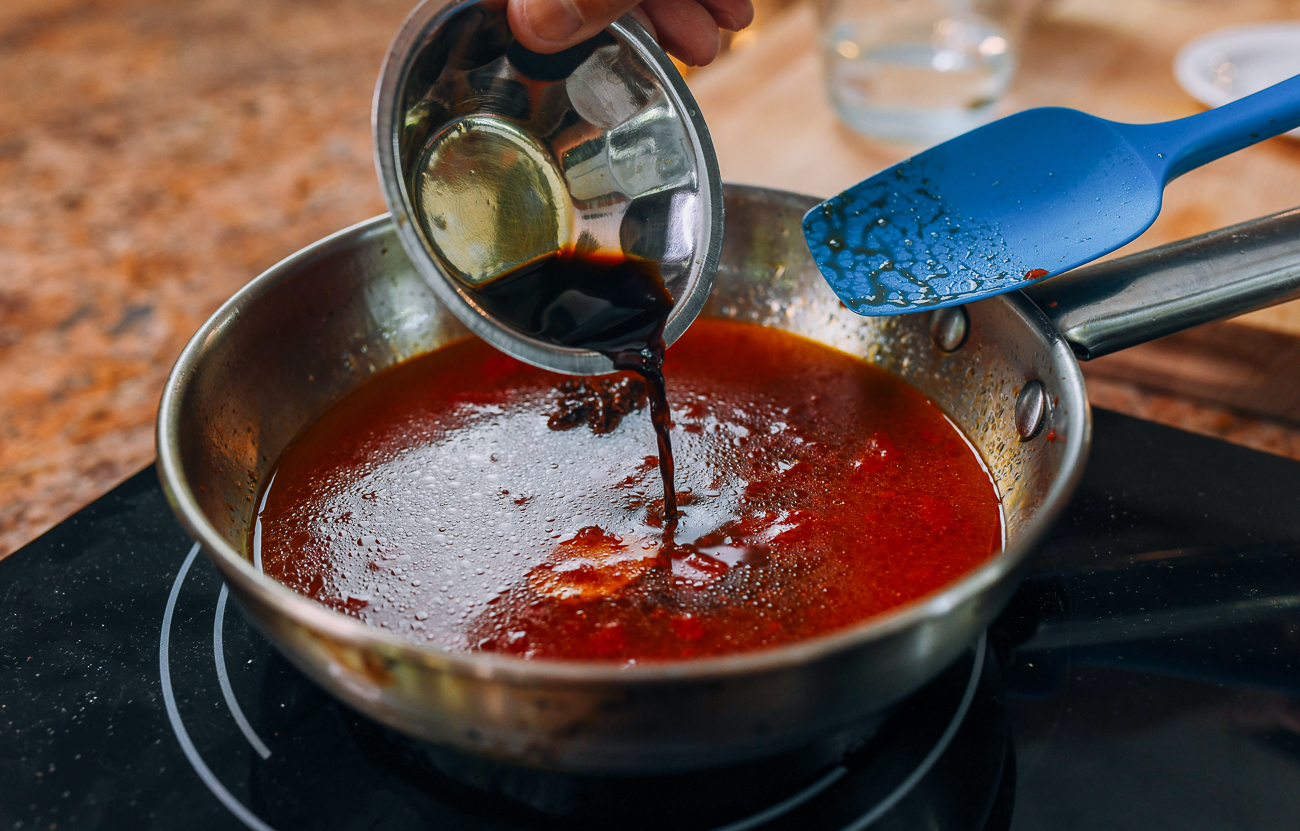
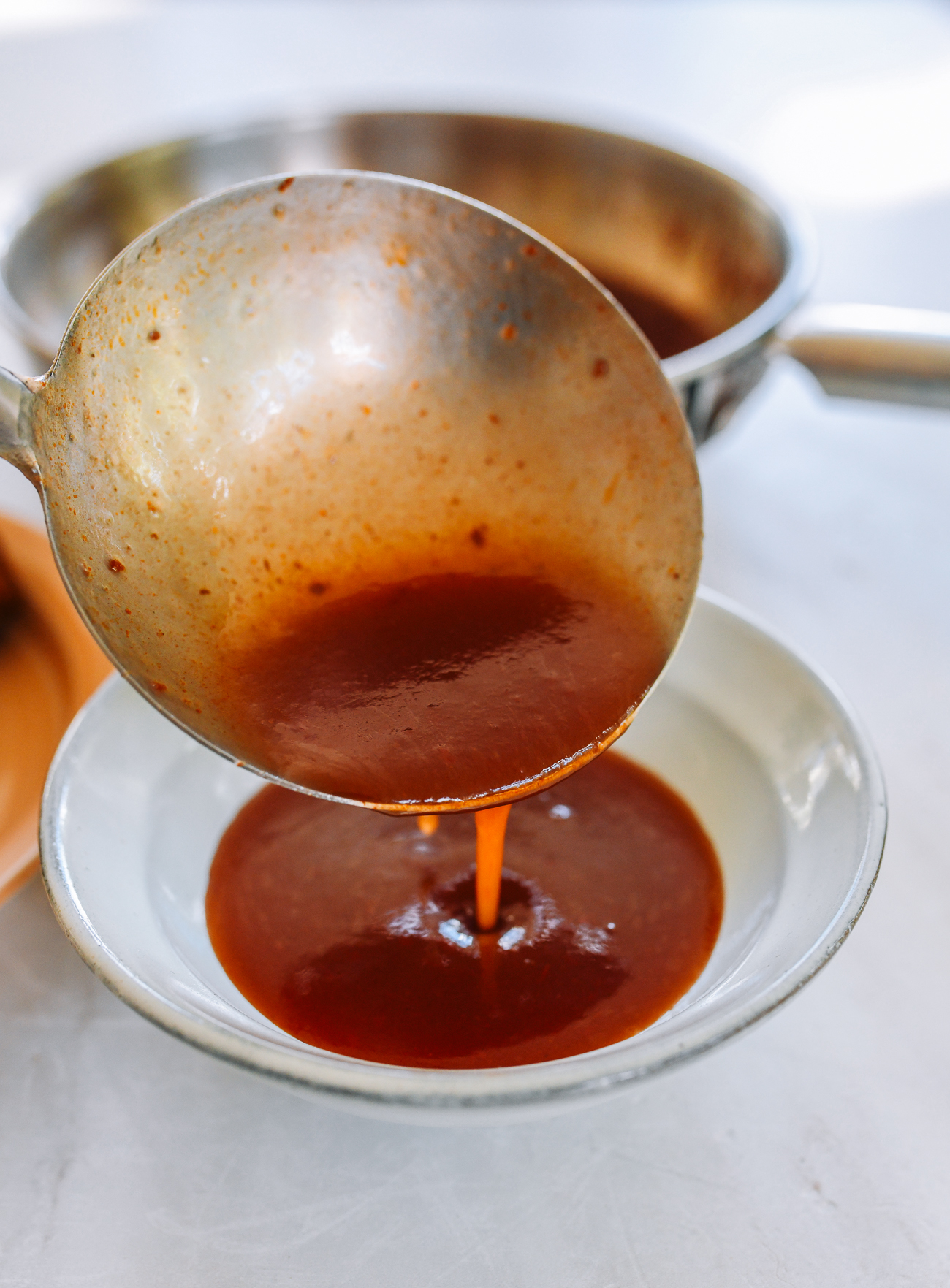
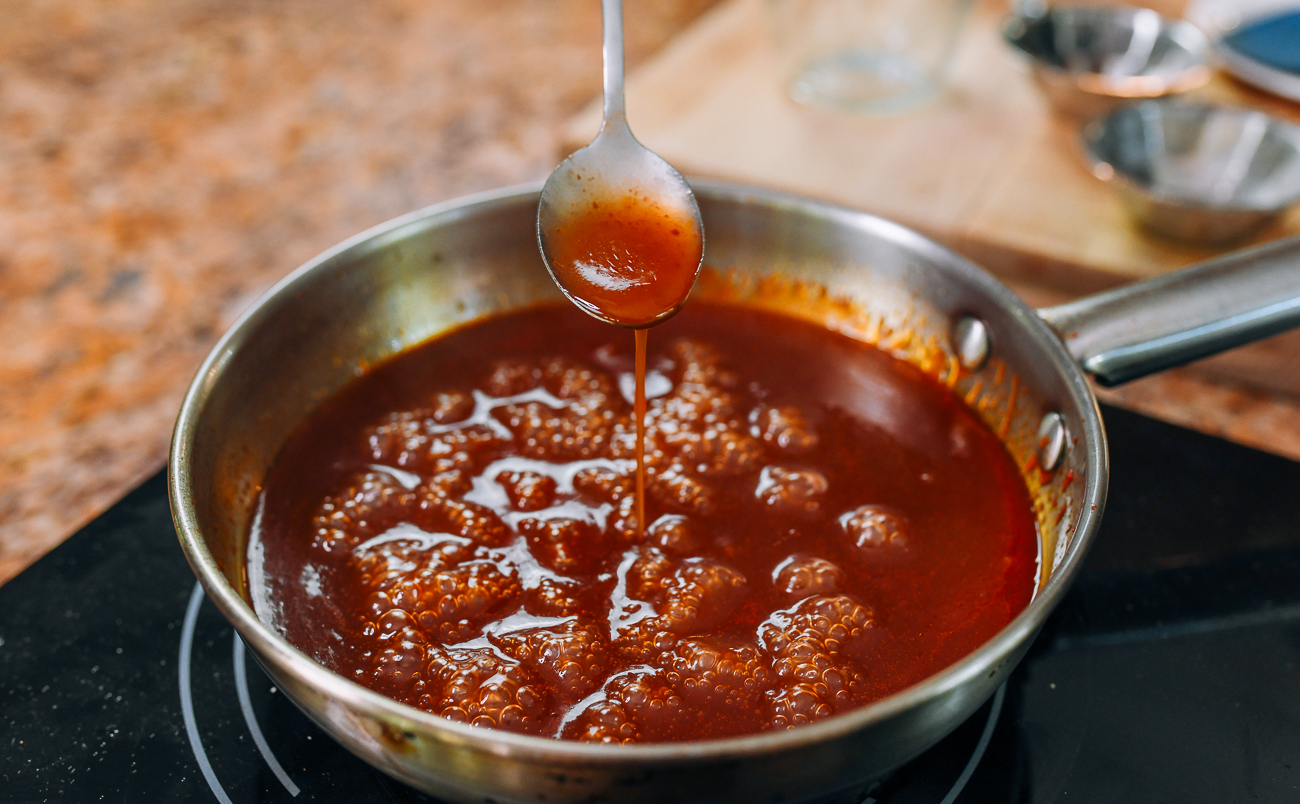
Reduce the heat to low. Let the sauce simmer and reduce until it just starts to coat a spoon, about 10 minutes. The sauce needs this time for the flavors to meld. After the sauce has reduced, remove the star anise and ginger.
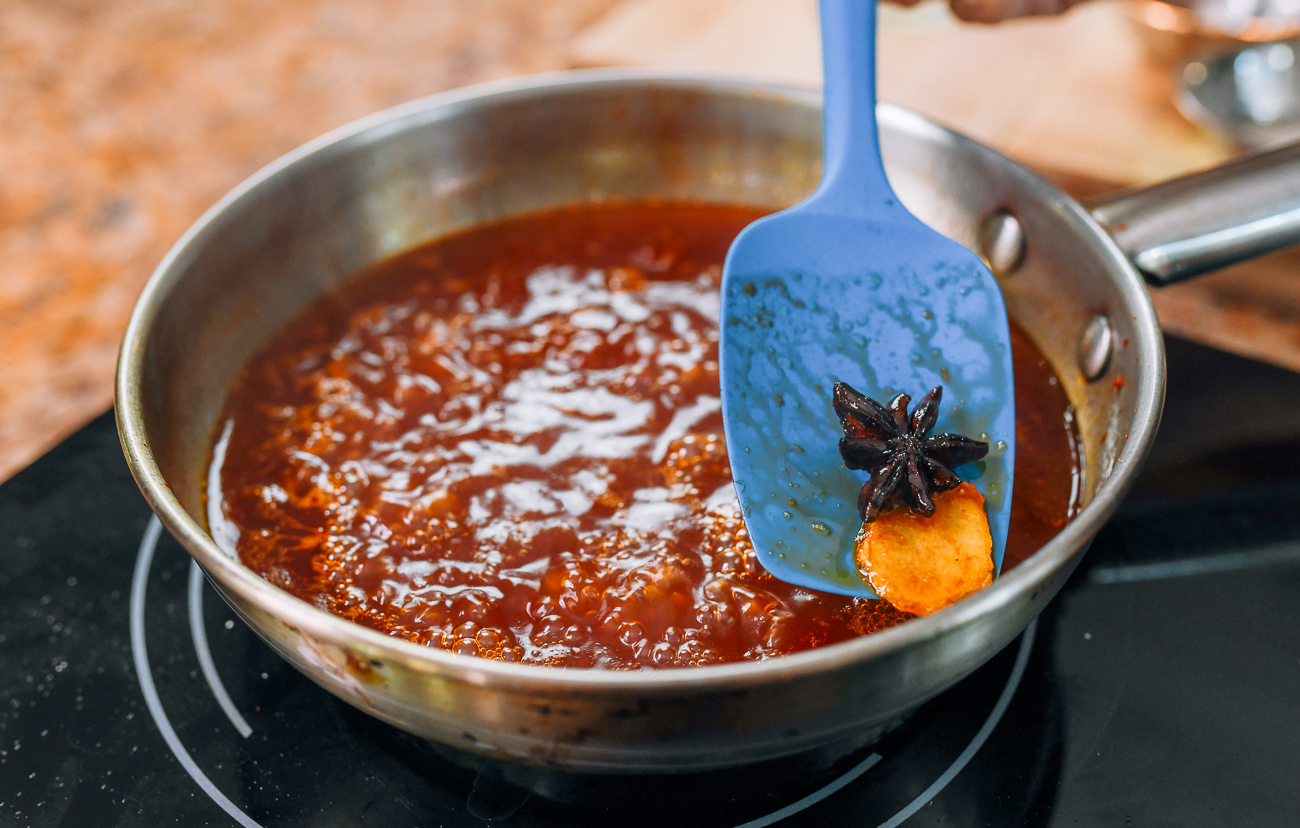
At this point, your sauce is ready to use if you’re cooking another dish. (You can reheat it and thicken it just before you toss in any other ingredients.) It’s also ready for the fridge or freezer if you’re storing it for later. (Let the sauce cool before chilling.)
If using it for dipping, make your cornstarch slurry by combining the cornstarch and water. The sauce will already be somewhat thick because of the sugar, so add the slurry very gradually. Simmer until it reaches your ideal consistency. You may not need all of the slurry.
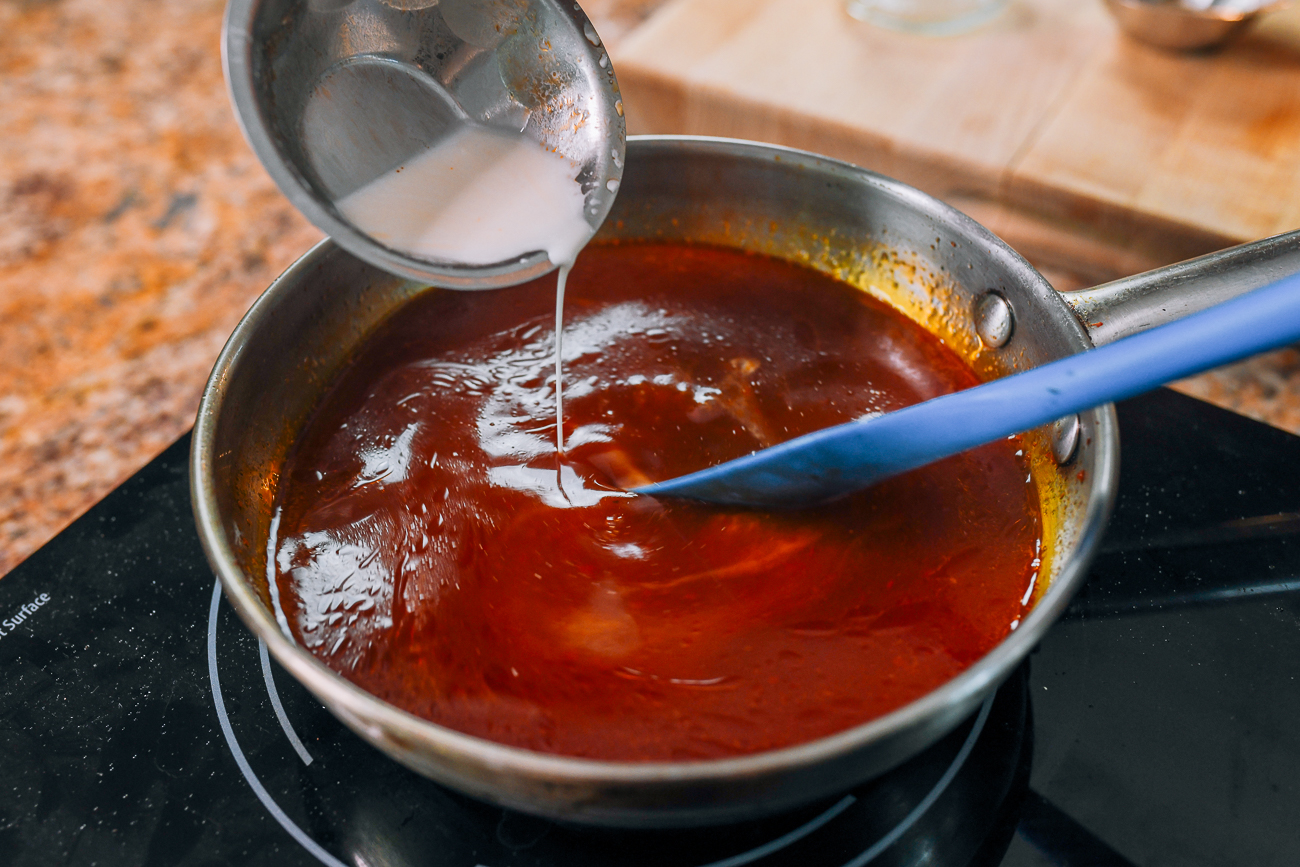
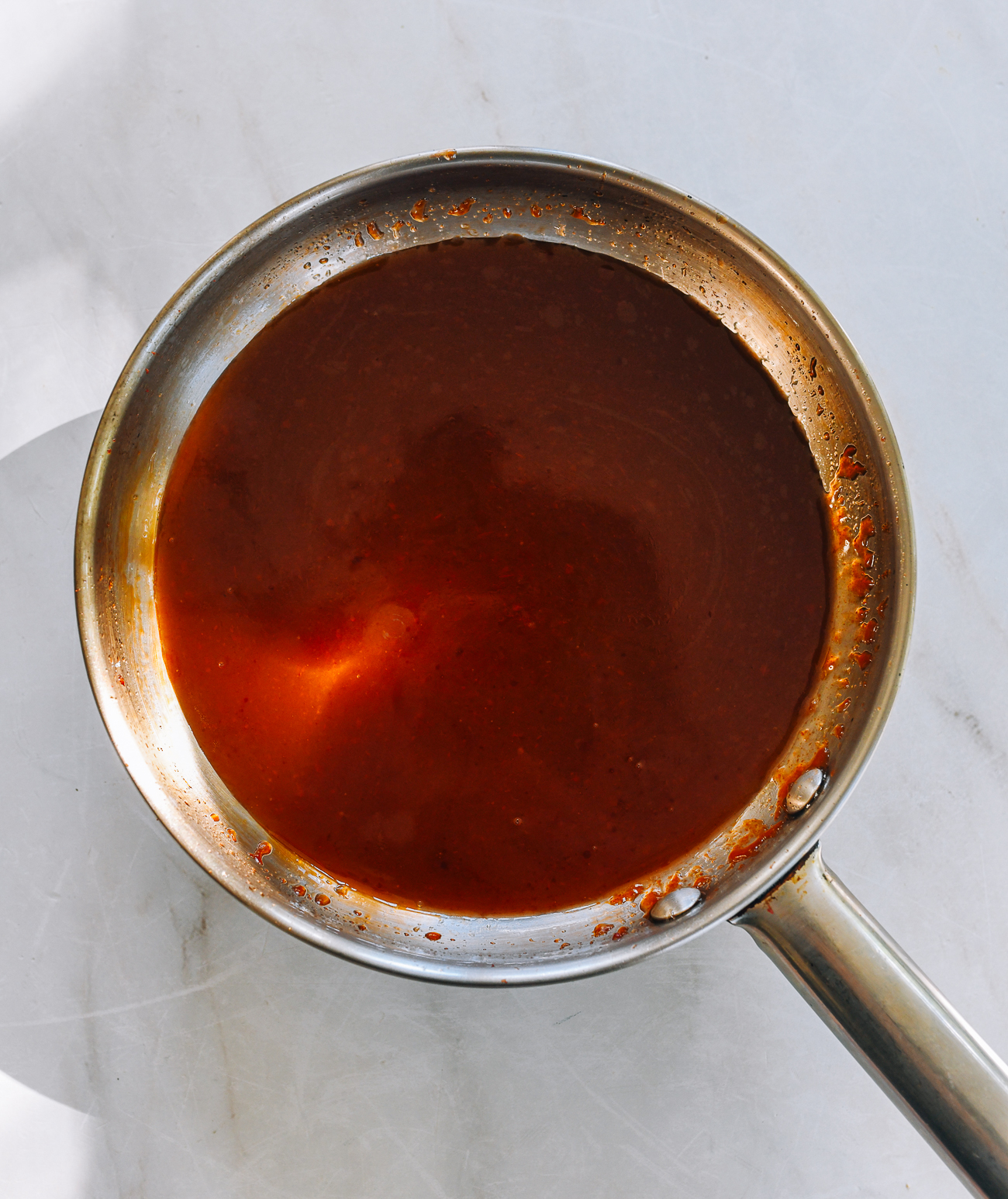
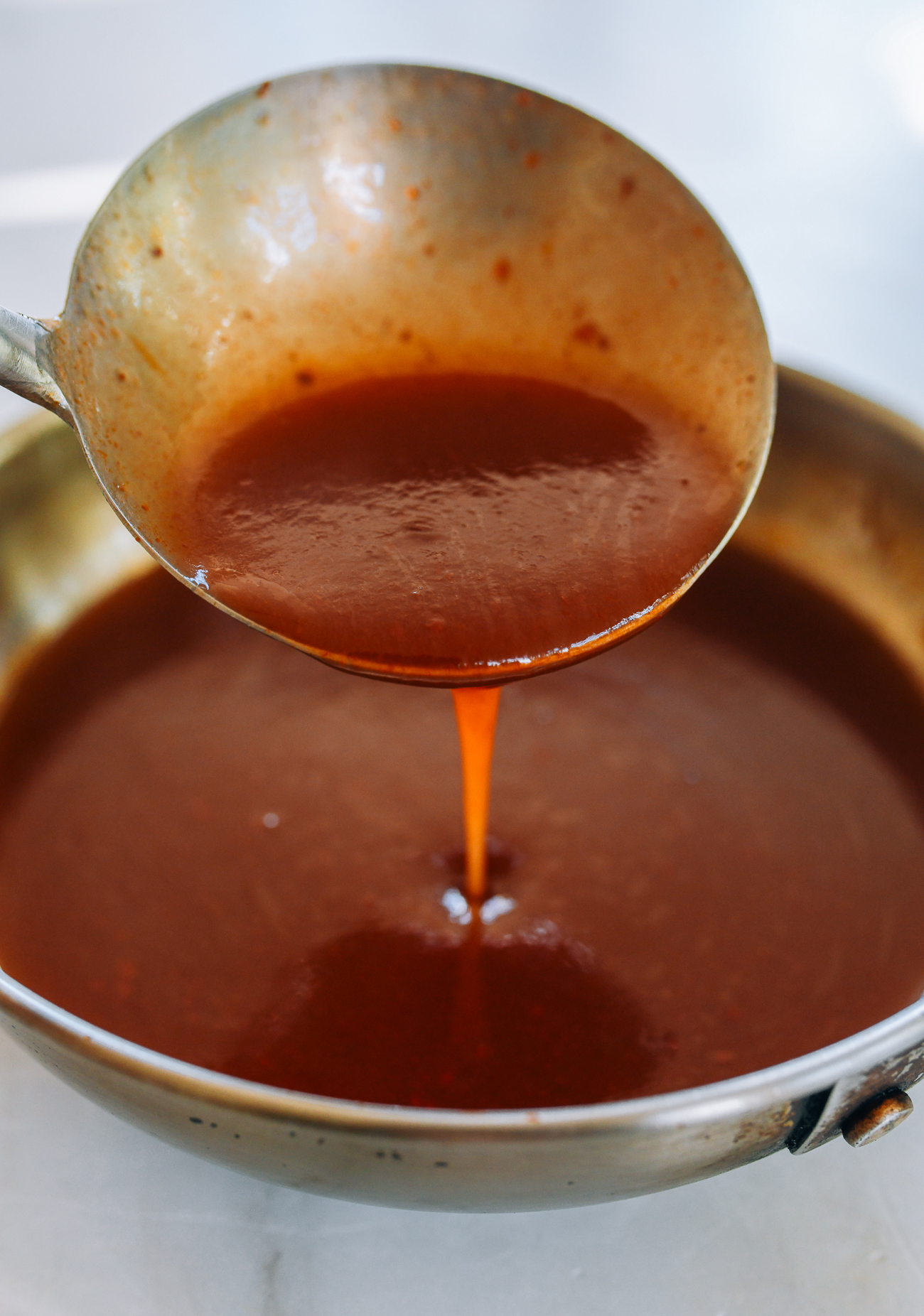
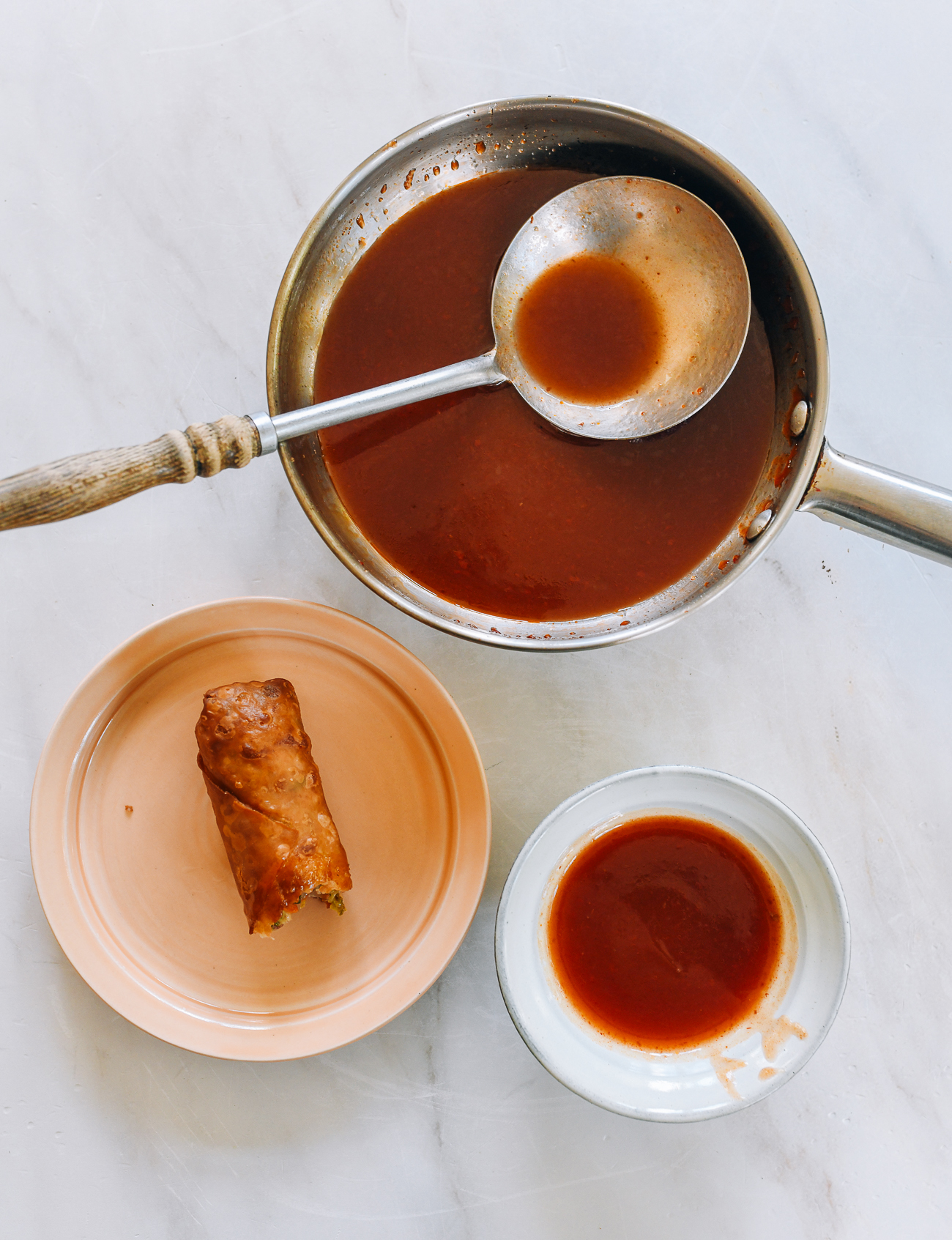
And that’s it! The sauce is ready for dipping!
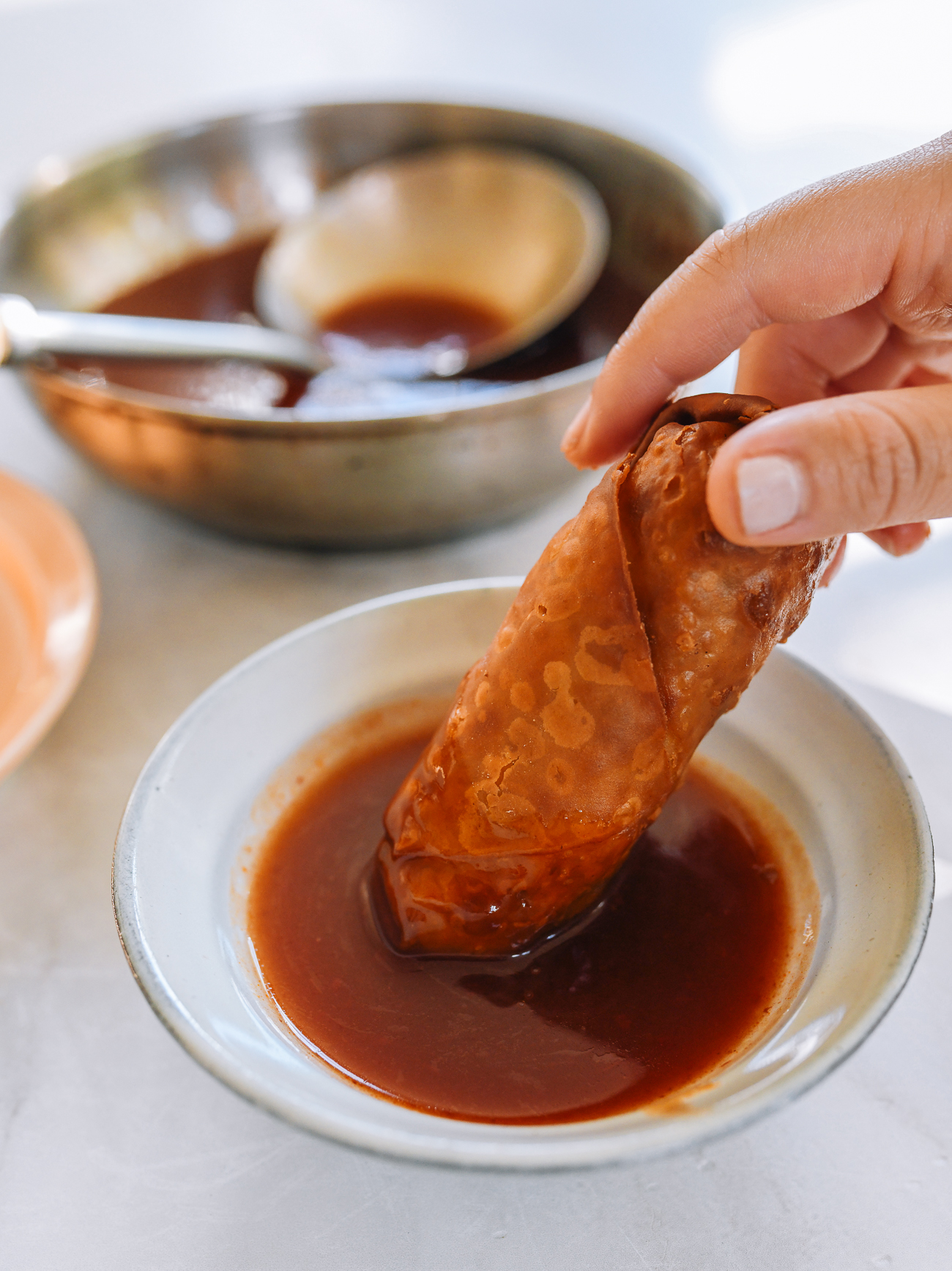
(It really does go great with egg rolls.)
Looking for more authentic recipes? Subscribe to our email list and be sure to follow us on Pinterest, Facebook, Instagram, and Youtube!
Recipe

Sweet and Sour Sauce
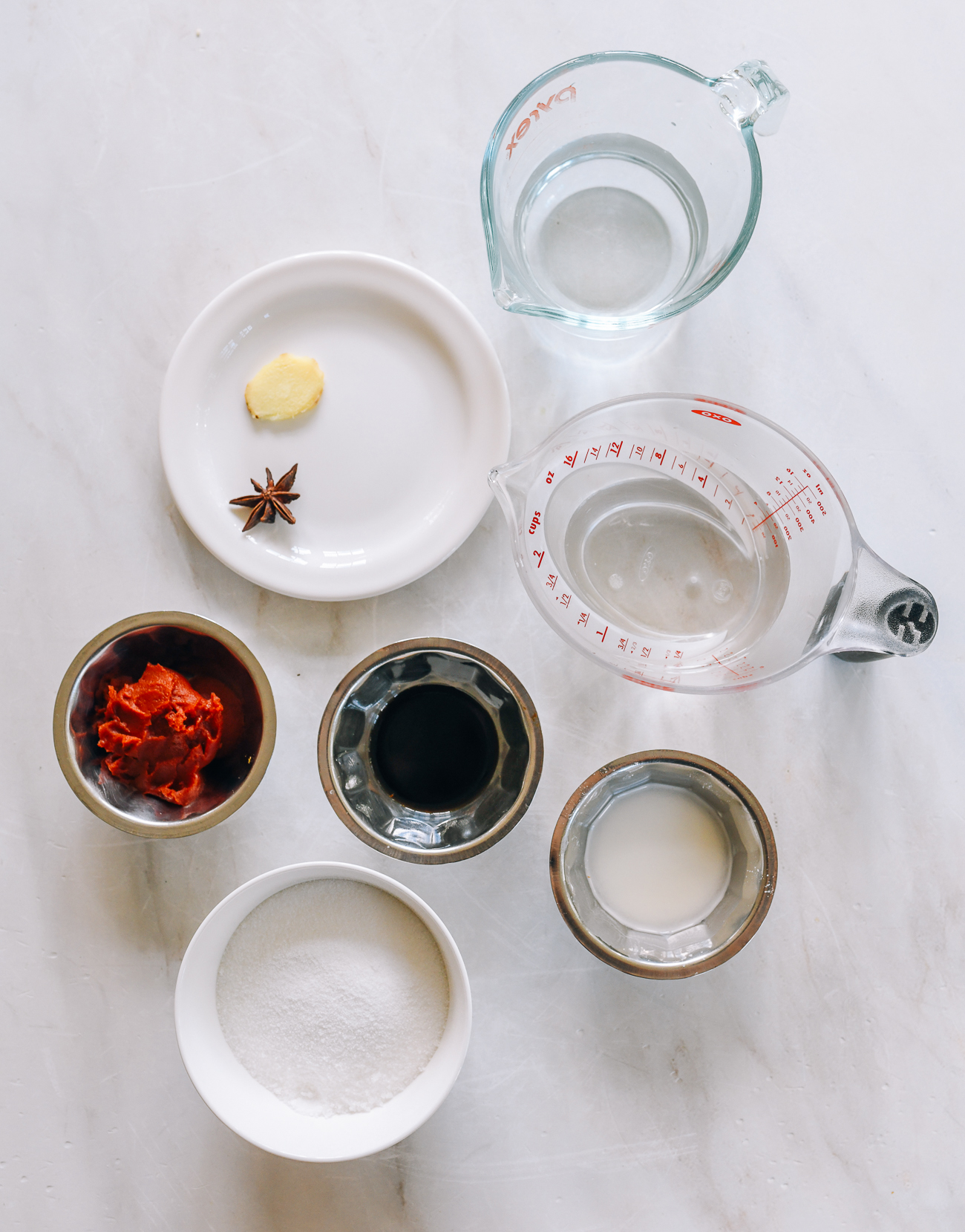
Ingredients
- 1 tablespoon neutral oil such as vegetable, canola, peanut, or avocado oil
- 1 slice fresh ginger 1/8” thick
- 1 star anise
- ¼ cup tomato paste
- ⅔ cup granulated sugar
- ⅔ cup water
- ¾ cup white vinegar 5% acidity
- 1 tablespoon soy sauce
- ¼ cup juice/syrup optional – pineapple juice is most common, though you can also try orange, apple, or lemon
- 2 tablespoons cornstarch mixed with 2 tablespoons water
Instructions
- Add the oil, the ginger slice, and star anise to a small stainless steel or non-reactive saucepan (definitely not your carbon steel wok!) over medium-low heat, and cook until the ginger starts to caramelize, about 1 minute.
- Next, add the tomato paste, stirring constantly until the tomato paste starts to caramelize—2 minutes. Take care not to burn the aromatics and tomato paste. This step is essential to giving the sauce a deeper, more complex flavor.
- Next, stir in the sugar, water, white vinegar, and soy sauce. Bring everything to a simmer and cook until the sugar is completely dissolved. Add your optional fruit juice or syrup, if using.
- Reduce the heat to low. Let the sauce simmer and reduce until it just starts to coat a spoon, about 10 minutes. The sauce needs this time for the flavors to meld. After the sauce has reduced, remove the star anise and ginger.
- At this point, your sauce is ready to use if you’re cooking another dish (you can reheat it and thicken it just before you toss in any other ingredients), or ready for the fridge or freezer if you’re storing it for later (let the sauce cool before chilling). If using it for dipping, make your cornstarch slurry by combining the cornstarch and water. The sauce will already be somewhat thick because of the sugar, so add the slurry very gradually, simmering the sauce until it reaches your ideal consistency. You may not need all of the slurry.