We’ve gotten lots of questions over the years about how to cook low sodium Chinese food, especially as it pertains to the many fermented and salted ingredients you might encounter, from soy sauce to spicy bean paste.
In this post, we’re going to talk about keeping sodium levels down in Chinese cooking—and recipes that are more suitable for a low sodium diet.

NOTE:
This post is for educational purposes only. We are not doctors or nutritionists! Always talk to a doctor or registered dietitian before making any changes to your diet.
Low Sodium Sauces
First let’s look at our core seasoning sauces in our list of 10 Essential Chinese Pantry Ingredients: light soy sauce, dark soy sauce, sesame oil, Shaoxing wine, and oyster sauce.
1. Light Soy Sauce:
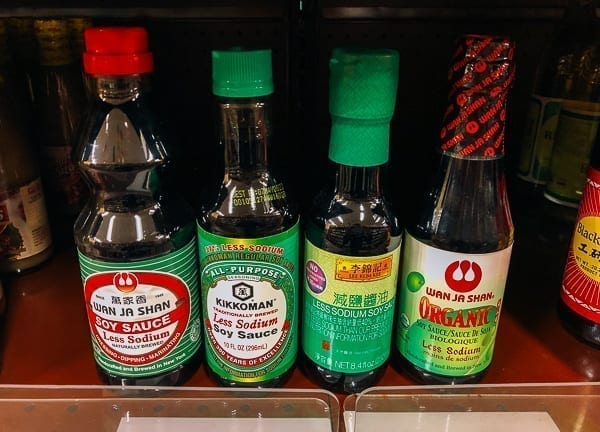
Chinese light soy sauce is the most common Chinese seasoning sauce. You can substitute any naturally brewed low sodium soy sauce for it, though we prefer a Chinese brand like Lee Kum Kee over a Japanese soy sauce like Kikkoman if you can find it!
These low sodium soy sauces generally have about 40% less sodium, which is removed after brewing. The salt content of low sodium soy sauce is still quite high—around 550-600 mg of sodium per tablespoon, so you may still want to use it in moderation. Another low sodium alternative to soy sauce is coconut aminos, which has around 360 mg of sodium per tablespoon, depending on the brand.
2. Dark Soy Sauce:
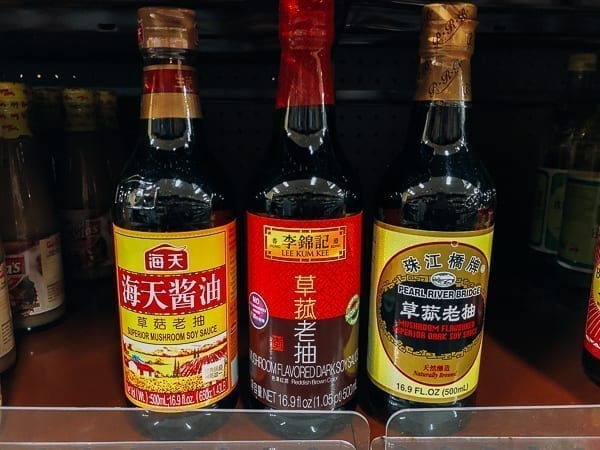
Finding a low sodium dark soy sauce is a bit more challenging, but you can make a substitute using low sodium regular soy sauce. Mix 2 teaspoons of regular low sodium soy sauce with ½ teaspoon molasses and ⅛ teaspoon sugar. Dark soy sauce adds a rich, dark amber color to dishes and in the case of this substitution, a subtle sweetness to balance out the salt.
3. Sesame Oil:
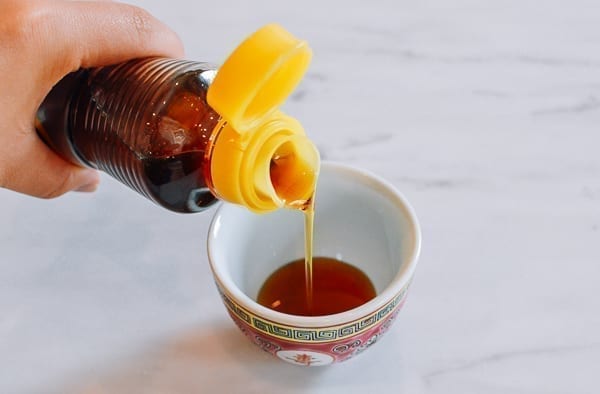
There is generally no salt added to sesame oil, so this ingredient shouldn’t be an issue! Chinese sesame oil is made from toasted sesame seeds, and the only ingredient you should see on the package label is: sesame seed oil!
4. Shaoxing Wine:
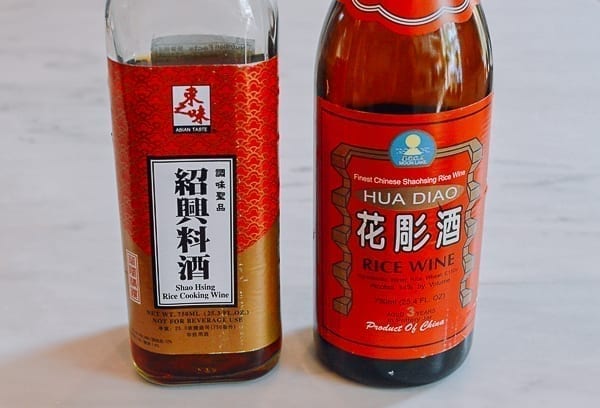
Did you know that most Shaoxing wine sold in the United States has salt added to it? This is to help preserve the wine and make it more shelf stable, as well as to avoid restrictions and taxes on the sale of alcohol.
Shaoxing wine contains about 150 mg of sodium per 2 tablespoon serving, depending on the brand (about 7% of your daily value). For a low sodium alternative, try dry cooking sherry, which we recommend as the best substitution for Shaoxing. You can find a cooking sherry with low sodium content, or you can buy a dry sherry that is suitable for drinking.
5. Oyster Sauce:
Oyster sauce is another ingredient with a relatively high salt content—it’s one of our favorite seasoning sauces and adds a hit of umami to anything you add it to. Although not quite as salty as soy sauce, it’s close, with around 800 mg per tablespoon of sodium.
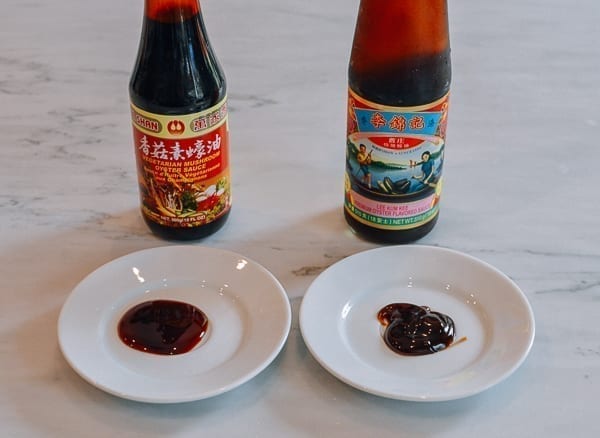
Low sodium oyster sauce does exist, though it can be hard to find. Lee Kum Kee, the original brand of oyster sauce, makes one with 25% less sodium. However, we have rarely seen this less sodium version in Chinese grocery stores. Your best course of action is to simply omit the oyster sauce or use less of it in the recipe.
In addition to these 5 core seasoning sauces, there are other Chinese sauces that you may encounter with high sodium content:
6. Chili Oil:
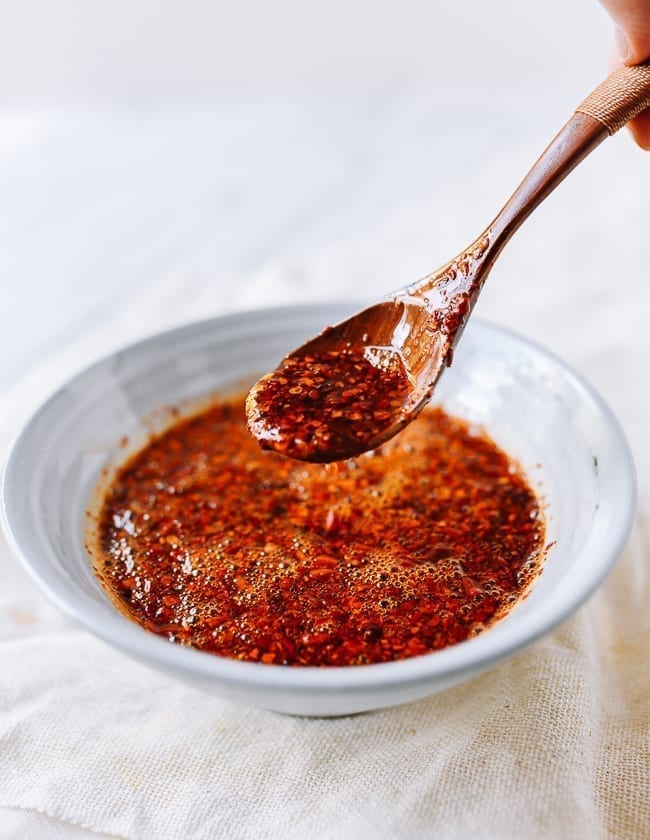
Many chili oils and chili sauces contain salt—especially in the last few spoonfuls at the bottom of the jar, where the salt tends to settle. The best way to avoid it in your cooking is to make your own using our tried and true chili oil recipe. You’ll get all the aromatic flavor of chili oil, while being able to skip the addition of salt at the end.
7. Spicy Bean Sauce:
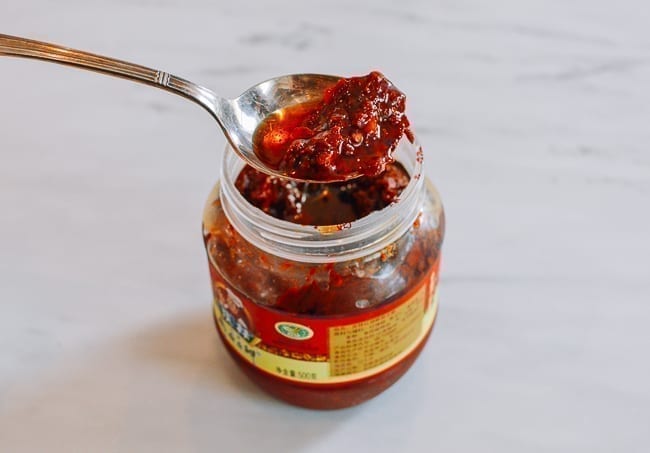
Spicy Bean Sauce is a Sichuan ingredient of fermented broad bean paste with chilis and salt. As in many other Chinese fermented foods, salt is a key fermentation ingredient, which is why it’s hard to avoid!
That said, you can make a substitution using your unsalted chili oil (see previous list item!) and a little bit of some kind of sweet fermented soybean paste, such as ground bean sauce or hoisin sauce. Hoisin can also be quite salty, so go light on that and use more chili oil! It’s not an exact science—experiment to find out what your palate likes!
8. Other Fermented Bean Pastes
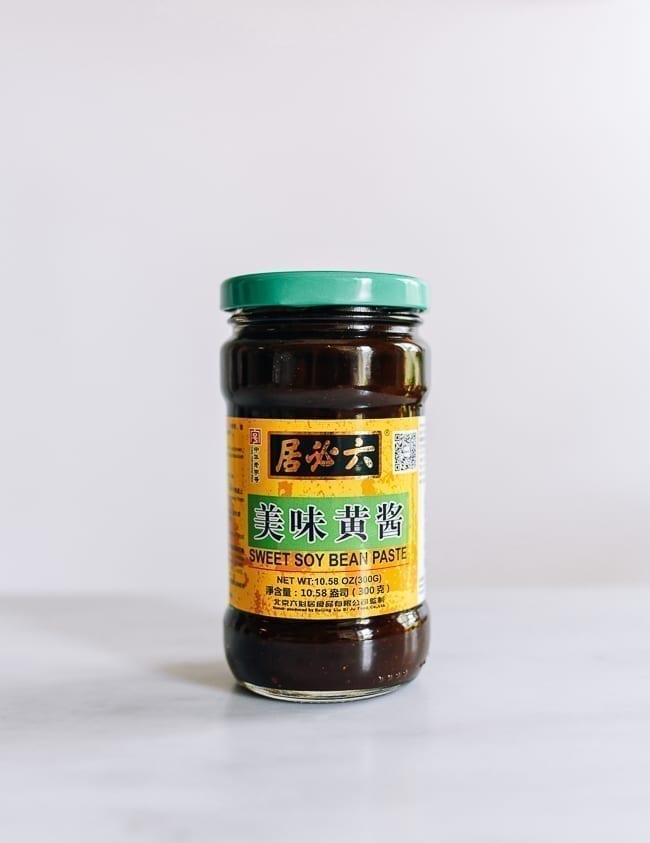
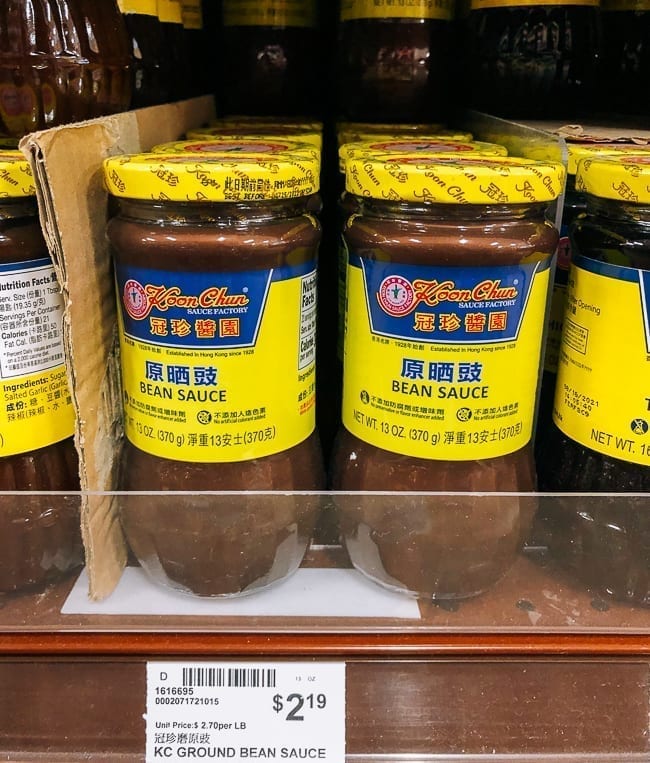
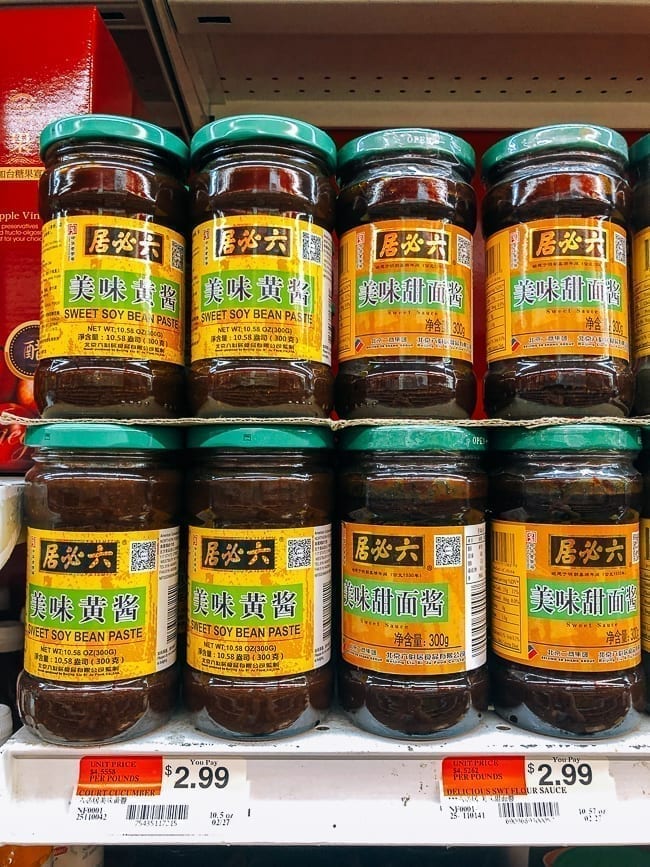
Other fermented bean pastes, including hoisin sauce, chee hou sauce, sweet bean sauce, and black bean sauce are also quite high in sodium. Since most substitutions for these sauces are other types of these sauces (e.g. substituting hoisin sauce for chee hou sauce), it’s best to simply avoid recipes that use these in larger amounts, or to omit them/reduce them in the recipe.
As for black bean sauce, you can use whole fermented black beans and chopped garlic (we actually prefer using whole fermented beans rather than a jarred black bean sauce in most cases). The fermented black beans are coated in salt. But you can rinse them or soak them several times to remove excess salt before using.
9. Broth or Stock
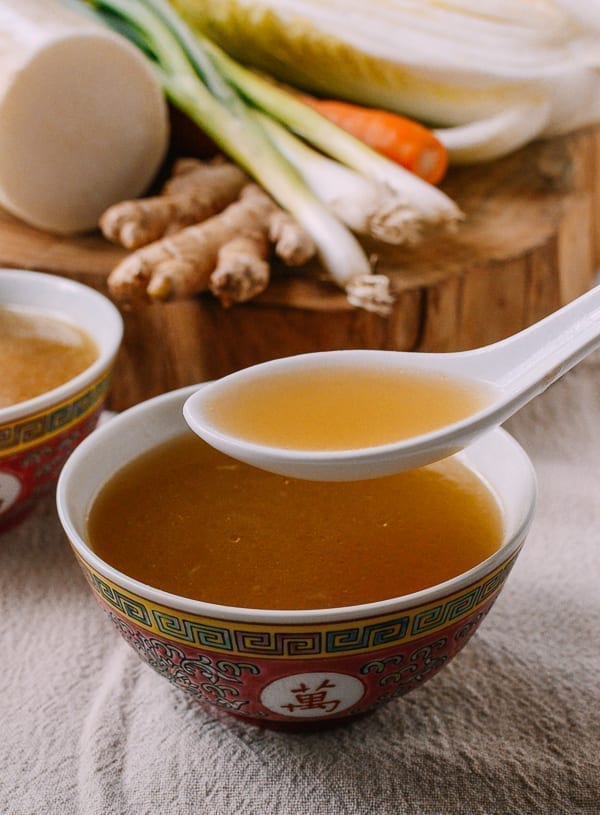
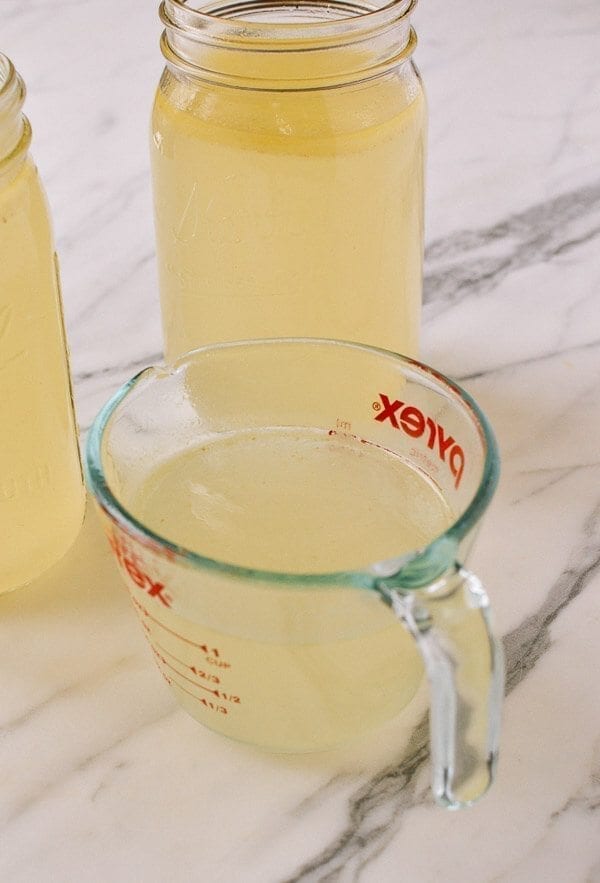
You’ll often see chicken broth or stock as a base for sauces in Chinese cooking. When cooking with these ingredients, use a low-sodium version, a homemade stock with no salt added (like our pork and chicken stock or vegan Asian vegetable stock), or if your recipe includes dried shiitake mushrooms, the flavorful soaking liquid from the mushrooms!

Choosing Low Sodium Recipes
The best way to enjoy Chinese food on a low sodium diet is to choose recipes that are best suited to it, i.e. lightly flavored dishes without too many seasoning sauce ingredients. Generally, the fewer bottled seasonings are in a recipe, the easier you’ll be able to control the sodium levels.
These include soups, where the salt content in the broth can be controlled, as well as light stir-fries, aromatic salads, and steamed dishes.
Furthermore, if these recipes do contain umami-producing ingredients that contain sodium along with added salt, omit the salt from the recipe and reduce the amount of seasonings according to your preference.
Here are some to start with:
Soups:
When making soups and stocks, the flavor is coming from vegetables and proteins, without additional seasonings. We generally add salt at the very end, so you can control how much you add! Here are some of our Chinese favorite soups to try:
Light Stir-fries
Many stir-fries based in Cantonese cooking have a very light, “white” sauce, which doesn’t contain as much oyster sauce or soy sauce, making these dishes great for a low sodium diet.
There are also many dishes here that contain sweet, fresh, and texturally varied vegetables, which add flavor and interest to the dish without as much added salt. These protein and vegetable based stir-fries also have more flavor than carb-based noodle/rice dishes, which require more salt for flavor.
Aromatic Salads
It’s also easy to control salt levels in Chinese salads, many of which use aromatic ingredients like raw garlic, chili oil, vinegar, and herbs to add a flavor punch.
Steamed Dishes
These lightly flavored steamed dishes are also flavored with salt, rather than seasoning sauces, so you can control the amount or omit it entirely! In dishes with oyster sauce or soy sauce, you can try halving the amount or simply use those as the only salt in the dish. When using super flavorful fermented black beans, rinse them before adding to the recipe.
Questions about low-sodium Chinese cooking? Let us know in the comments below!