The Woks of Life
My Saved Recipes
  • Recipes
    • Recipe Index
    • Recipe Filter
    • View all By Date
    • Our Cookbook: NOW AVAILABLE!
    • Videos
  • How-To
    • Cooking MethodsAll how-to cooking methods
    • Cooking ToolsAll Cooking tools including hand and electrics
    • Wok Guide
    • Garden/FarmWe share our learnings from our new Woks of Life HQ/farm (where we moved in Fall of 2021) on how to grow Chinese vegetables, fruits, and other produce, as well as farm updates: our chickens, ducks, goats, alpacas, and resident llama!
    • CultureCulture related posts
  • Ingredients
    • Chinese Ingredients Glossary
    • Sauces, Wines, Vinegars & Oils
    • Spices & Seasonings
    • Dried, Cured & Pickled Ingredients
    • Noodles & Wrappers
    • Rice, Grains, Flours & Starches
    • Tofu, Bean Curd & Seitan
    • Vegetables & Fungi
    • Fresh Herbs & Aromatics
  • Life & Travel
    • Life
    • Travel
  • Contact
    • Work with Us
    • Press
    • Send Us A Message
  • About Us
Home ❯ Ingredients ❯ Spices & Seasonings ❯ Chinese Licorice Root (甘草)

Chinese Licorice Root (甘草)

Everyone

by:

Everyone

0 Comments
Updated: 10/29/2022
Chinese Licorice Root

For most Westerners, licorice is synonymous with candy. It brings to mind Good & Plenty and black jelly beans. But licorice root has a long history of cooking applications beyond confectionery.

Licorice (sometimes spelled liquorice) has been used as an herbal remedy and sweetening agent across cultures for centuries.

Ancient Egyptians enjoyed a licorice-flavored drink called mai sus. King Tut himself was entombed with a large amount of licorice root so that he could continue to enjoy the sweet beverage well into the afterlife. 

Ancient Greek and Roman physicians recommended using licorice root for for quelling hunger and thirst. Numerous Chinese herbal remedies have classically used licorice to enhance and balance out other therapeutic ingredients (or at least to mask their less than pleasant flavors.)

Today, licorice is one of the most commonly used herbs in traditional Chinese medicine (TCM). It is isn’t so surprising, then, that the sweet root also plays a part in Chinese cuisine. In this article, we’ll tell you everything you need to know about cooking with this aromatic ingredient.

What Is Chinese Licorice Root?

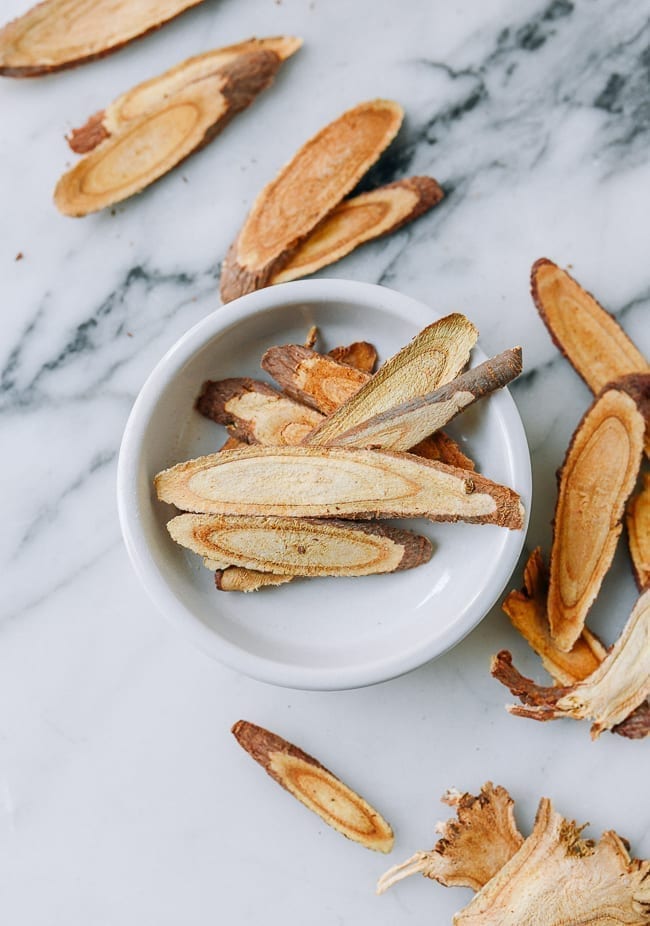
Chinese licorice (or liquorice) root is the rhizome (the underground stem) of the plant Glycyrrhiza glabra, which is native to Asia, Turkey, and Greece. The dried roots of the plant resemble small twigs with a woody brown exterior and pale yellowish interior. 
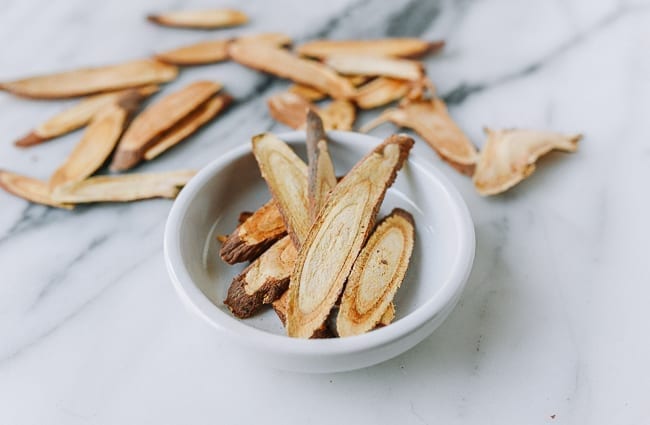
Dried licorice root - Chinese herbal ingredient

The flavor of liquorice root is strong and complex; it is bittersweet, warm, and subtly spicy. Its aroma is comparable to that of anise and fennel seed.

How Is Chinese Licorice Root Used?

The intense, multi-faceted fragrance of licorice root makes it a powerful aromatic ingredient in both sweet and savory dishes. Most Chinese recipes that include licorice (including those you’ll find here at The Woks of Life) will call for dried slices of the root. 

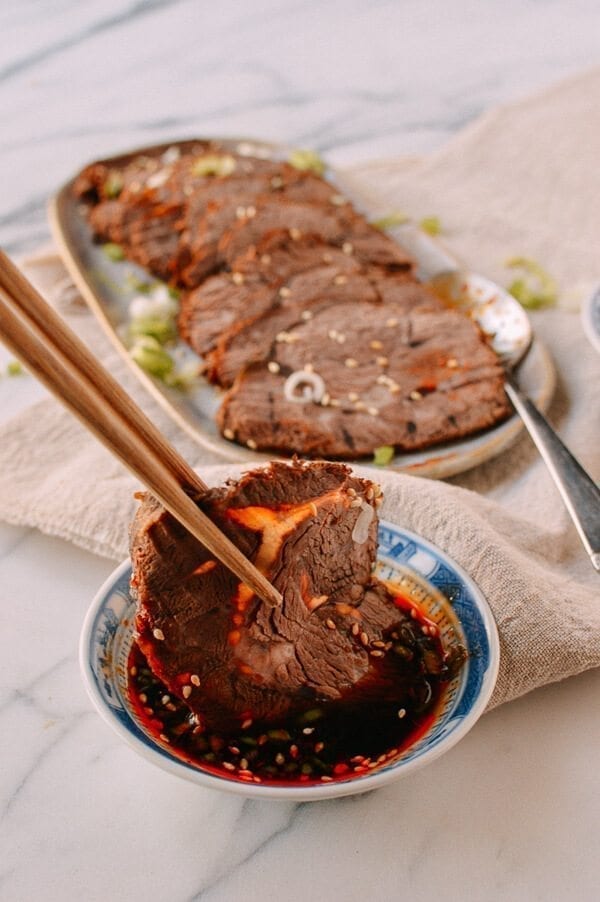
In savory dishes like our Lanzhou Beef Noodle Soup and Braised Beef Shank, dried licorice slices are simmered with other aromatic ingredients like sand ginger and cinnamon bark to add richness and complexity. 
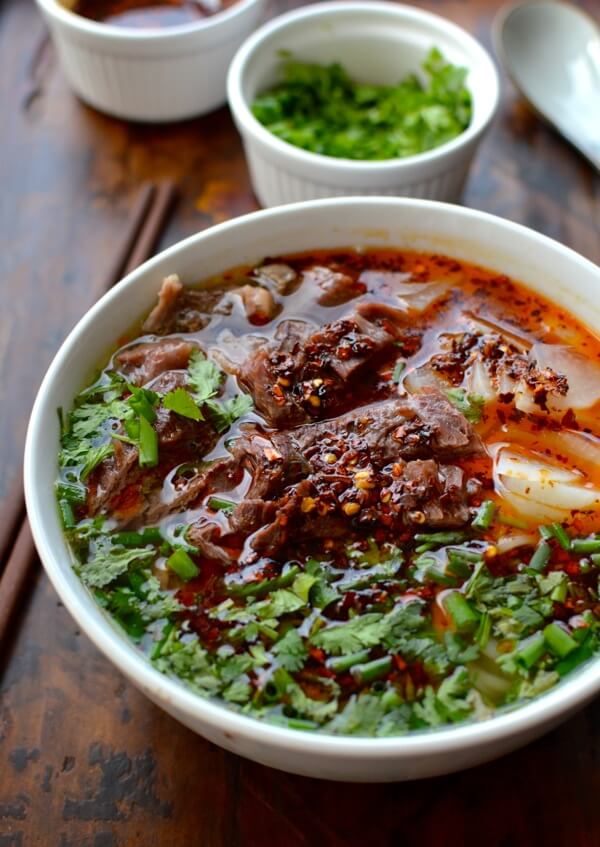
Lanzhou Beef Noodle Soup, by thewoksoflife.com
Spiced Braised Beef Shank, by thewoksoflife.com

Pre-made packets of Chinese spices including licorice and other aromatics can be purchased for this use, but we prefer to purchase the ingredients separately and tie them together into cheesecloth.

Chinese licorice root is also a popular ingredient in tea because of its sweetness and health benefits. Try our Sour Plum Drink, which combines the flavor of licorice with that of dried mandarin orange peel and rock sugar to create a satisfyingly sweet and sour beverage. It’s super refreshing with ice on a hot summer day!
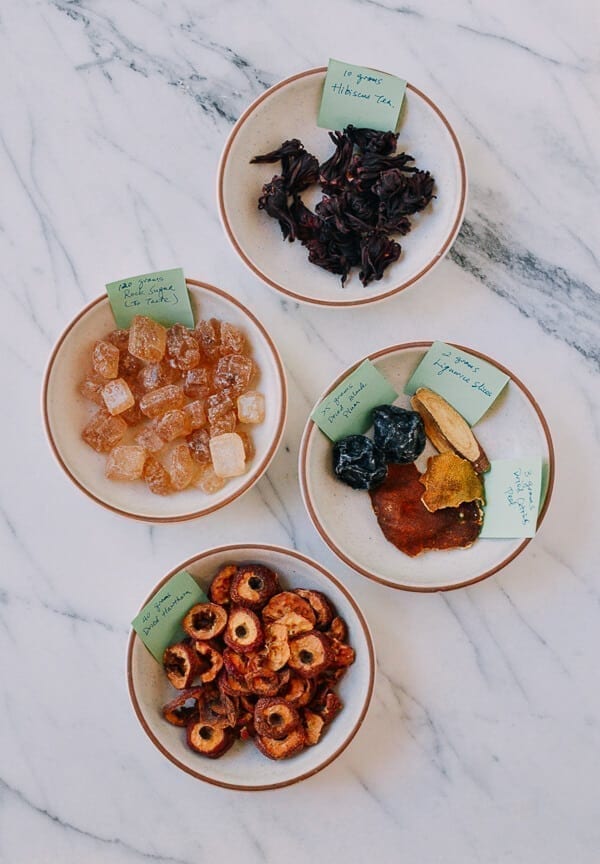
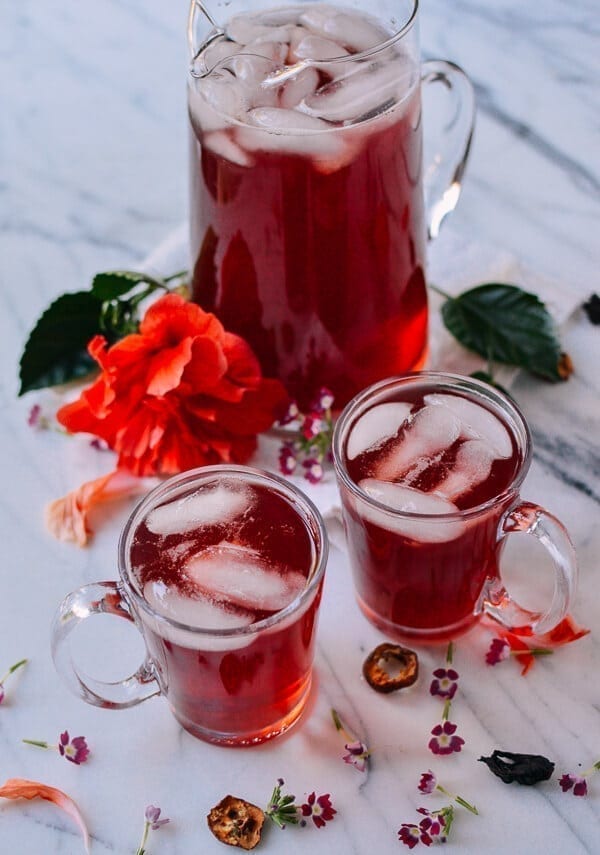
Sour Plum Drink (Suan Mei Tang - 酸梅汤), by thewoksoflife.com

The longer you infuse licorice in broths and teas, the stronger its flavor will become. You can simmer the slices in recipes without putting them into a cheesecloth packet first, but just be sure to strain out the whole pieces before serving since, they will be woody and unpleasant to bite into.

Buying & Storing Chinese Licorice Root

You’ll find Chinese liquorice root at Asian markets and online. Look for plastic packages of the thin root slices. Because they are usually thin cross-sections of root, they will be white or pale yellow in appearance. You can also buy the roots whole or pre-ground into a fine powder.

Store dried licorice root in an airtight container in a cool, dry place. When stored properly, the whole or sliced roots can last for two or three years. Ground spices tend to lose their potency more rapidly, so keep this in mind if you choose to buy powdered licorice root.

Our Favorite Recipes That Use This Ingredient:

  • Lanzhou Beef Noodle Soup
  • Braised Beef Shank
  • Braised Beef Noodle Soup
  • Sour Plum Drink (Suan Mei Tang)

You may also like…

  • The Woks of Life Chinese Zodiac Dog
    Chinese Year of the Dog
  • The Woks of Life Ox Chinese Zodiac Sign
    Chinese Year of the Ox
  • year of the rat Chinese Zodiac sign
    Chinese Year of the Rat
  • The Woks of Life Chinese Zodiac Snake
    Chinese Year of the Snake
Everyone

About

Everyone
Bill, Judy, Sarah, and Kaitlin Leung are a family of four and co-creators of The Woks of Life, which began in 2013 and has since become the most trusted online resource for Chinese recipes—what Bon Appetit has called “The Bible of Chinese Home Cooking.” New York Times bestselling cookbook authors, IACP award finalists, and James Beard Award nominees, the Leung family continues to build this multigenerational project, a culinary platform and robust online community trusted by millions of home cooks. This post includes contributions from two or more family members. So rather than deciding who gets a byline, it’s posted under the general moniker, “Everyone.” Very diplomatic, wouldn’t you say?
guest
Rate this recipe:


guest
Rate this recipe:


This site uses Akismet to reduce spam. Learn how your comment data is processed.

0 Comments
Newest
Oldest Most Voted
Inline Feedbacks
View all comments
Sarah, Kaitlin, Judy, and Bill cooking together

Welcome!

We’re Sarah, Kaitlin, Judy, and Bill– a family of four cooks sharing our home-cooked and restaurant-style recipes.

Our Story

sign up for our newsletter and receive:

our Top 25 recipes eBook

Our email newsletter delivers our new recipes and latest updates. It’s always free and you can unsubscribe any time.

Wok Guide
Ingredients 101
Cooking Tools
Kitchen Wisdom
* Surprise Me! *

Save Your Favorite Woks of Life Recipes!

Create an account to save your favorite dishes & get email udpates!

Sign Me Up

Sign Up For Email Updates & Receive Our

Top 25 Recipes Ebook!

“

“I am proud to say that your genealogy has been the sole tutorial for my Asian-inspired culinary adventures for years; probably since you began. Time and again, my worldwide web pursuits for solid recipes that I know my family will eat has landed me back here.”

Beth, Community Member Since 2013

Shanghai Scallion Flatbread Qiang Bing
Eggs with Soy Sauce and Scallions
Scallion Ginger Beef & Tofu
Bill with jar of haam choy
Soy Butter Glazed King Oyster Mushrooms
Taiwanese Rou Zao Fan
  • Facebook
  • Instagram
  • Pinterest
  • YouTube

All Rights Reserved © The Woks of Life

·

Privacy Policy

·

Disclaimer

·

Site Credits

·

Back to Top
wpDiscuz