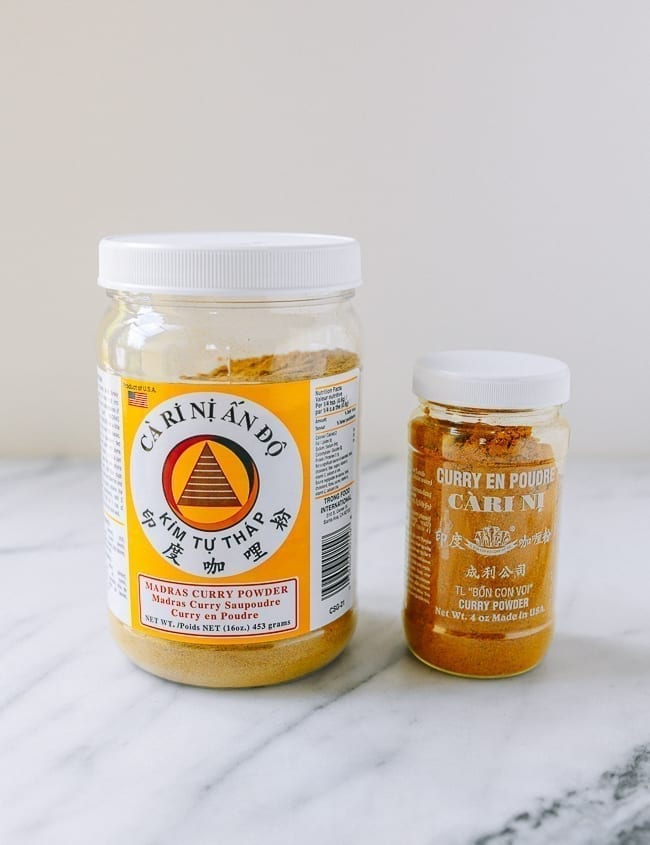
The term curry powder can be a little bit confusing. Though many associate it with authentic Indian cooking, you won’t actually find it on restaurant menus in India.
That’s because “curry” is originally a British term describing savory dishes with a complex blend of spices and herbs.
When India was a British colony, British chefs sought to replicate the richness of traditional Indian cooking. They tried adding the same spices and herbs to meat dishes made with Western-style sauces.
However, the British didn’t quite understand the subtleties of hand-selecting and grinding spices for each dish as Indian cooks did. The result was curry powder, a blend of spices typical of Indian cuisine, like coriander, cumin, and turmeric.
Curry powder may have been mass-produced and sold by the British as early as 1784. Pre-grinding and mixing the spices made it easier and cheaper to import the highly sought-after flavors of the “Far East,” which grew in popularity and prevalence across cultures as the international spice trade expanded.
Today, variations of curry can be found in the cuisines of China, Korea, Japan, Thailand, Jamaica, and South Africa. In this article, we’ll dive a little deeper into this ingredient and how we use it in our cooking.
What is Curry Powder?
Curry powder (gālí fěn, 咖喱粉) is a general term for a blend of spices that are typically associated with cuisine from the Indian subcontinent.
There is no “standard” formula for curry powder, and a quick web search will bring up countless recipes that all vary slightly.
The spice blend usually has some combination of ground coriander, cumin, turmeric (which imparts the bright yellow color typical of most curry powders), fenugreek, cardamom, black pepper, and mustard seeds.
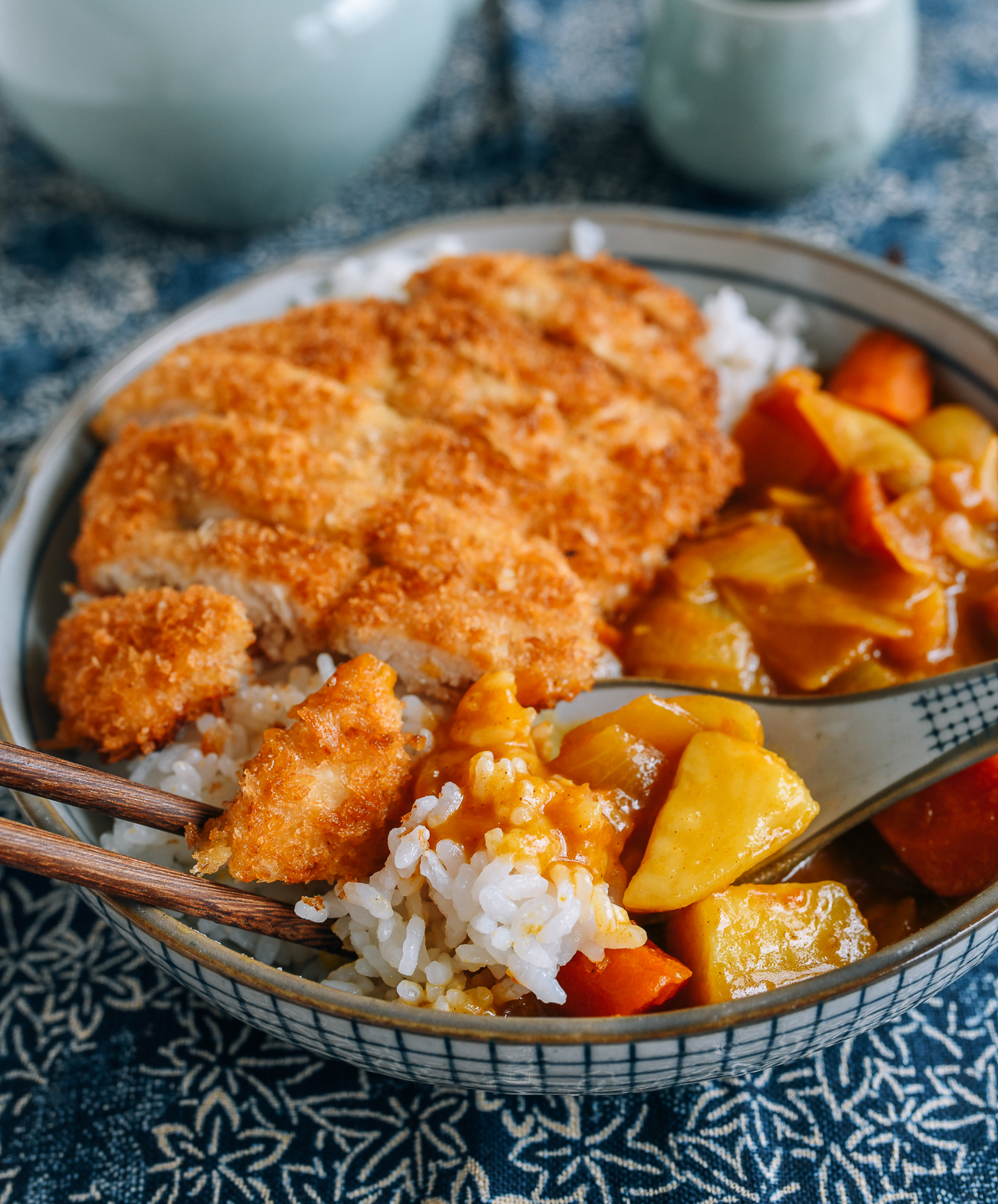
Japanese curry powder is usually sweeter and milder with the addition of spices like cinnamon and cloves.
Thai curries consist of a fragrant paste as a base, rather than a powder. Thai curry paste comes in many varieties (notably, red and green curry pastes), which may have citrus-y notes from ingredients like makrut lime leaves and lemongrass, as well as Thai chili peppers.
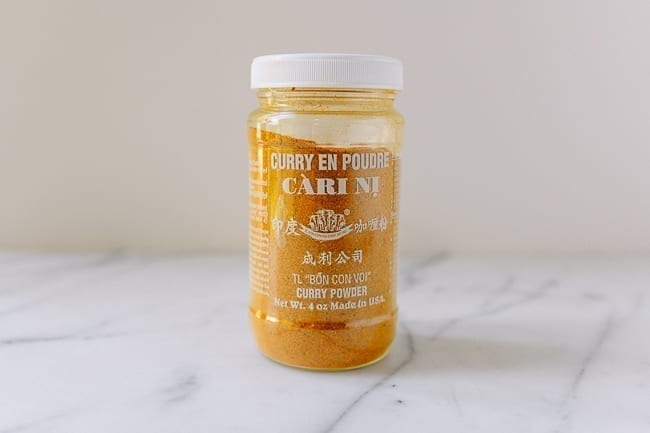
Most curry powders aren’t spicy, but our family prefers to use Madras curry powder, which is hotter and darker in color than other varieties due to the inclusion of chili.
A good curry powder will be intensely fragrant with a multifaceted flavor profile. It is at once tangy, earthy, and warm. You should get notes of sweetness and a little heat, depending on the recipe.
How To Use Curry Powder
Use curry powder to flavor meat, vegetables, soups, stews, noodles—just about anything savory.
While it’s not necessarily an integral ingredient in Chinese cuisine, it has made its way into several key dishes originating in Southern China (by way of the British in Hong Kong).
Some Chinese curry powder blends resemble Madras curry powder, but also include Chinese spices like cassia cinnamon and star anise.
Chinese curry dishes often feature different meats, particularly beef and chicken, as well as the addition of onions and sometimes carrots.
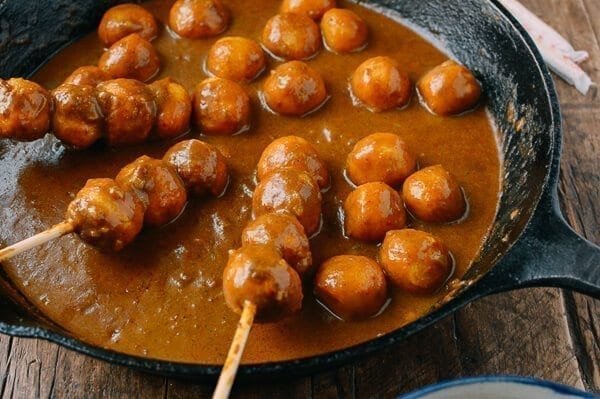
In Hong Kong, the aroma of steamed Curry Fish Balls drifts tantalizingly from the stalls of street food vendors. Tough cuts of beef can be braised for hours in a rich curry sauce and served over rice (check out our quick Instant Pot Beef Curry for a faster version!).
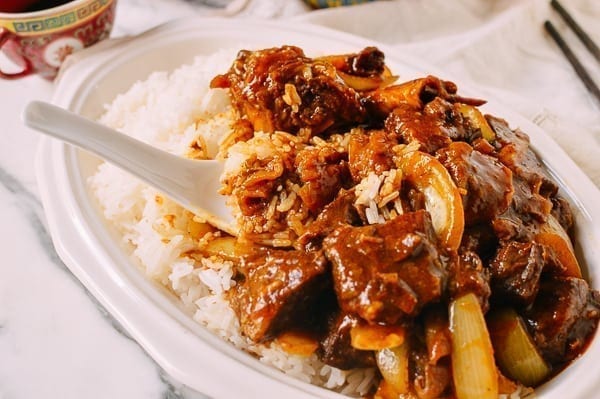
Beef and vegetables spiced with curry powder may be used to fill savory pastries like Japanese curry bread or Curry Puffs, a classic Chinese bakery or dim sum item.

One of the advantages of curry powder is that its flavor is already intense. You don’t have to cook things with it for an extended period of time to try and “develop” flavor.
Try one of our quick-and-easy recipes like our Takeout-Style Chicken Curry or Curry Beef Rice Bowls for rich flavors without the time commitment.
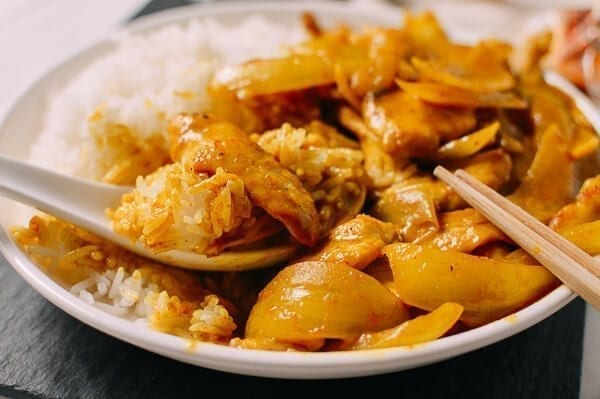
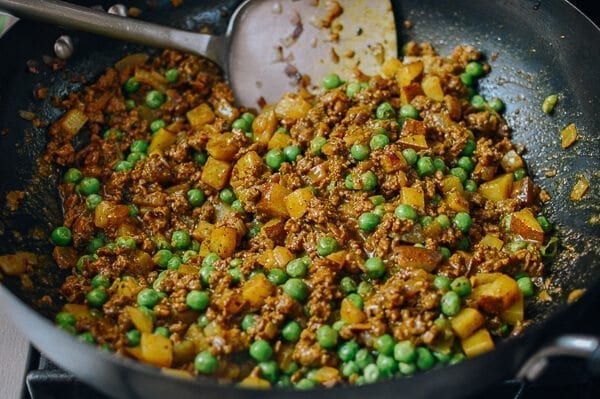
While you might think of curry powder as an Indian spice blend, you won’t usually find it in Indian recipes.
Buying & Storing
You can find curry powder at just about any grocery store.
Online spice vendors often create their own specialized blends, but these tend to be on the more expensive side. However, Asian groceries are likely to offer a larger (and often less expensive) selection.
We usually purchase Madras curry powder, because we think it delivers just the right amount of heat to a dish. If you’re sensitive to spice, though, you might stick with a recipe that doesn’t include ground chili peppers.
Remember that “curry powder” is really a general term that can refer to many different combinations of spices. It’s a good idea to check the ingredients list on the jar when you’re buying.
Generally, we recommend avoiding curry powders that list turmeric as their main ingredient because turmeric’s flavor is quite mild. These blends will usually have a brighter yellow hue but may not be as flavorful as other recipes.
Curry powder will keep for three or four years when properly stored in an airtight container. However, we recommend rotating the contents of your spice cabinet frequently as ground spices will lose potency after 1 year. If you aren’t cooking with it often, purchase it in smaller quantities.
Our Favorite Recipes That Use This Ingredient
- Coconut Curry Chicken
- Instant Pot Braised Curry Beef
- 15-Minute Takeout Style Chicken Curry
- Singapore Mei Fun Noodles
- Hong Kong Curry Fish Balls
- Curry Mee Malaysian Noodle Soup
- Chinese Curry Puffs with Beef