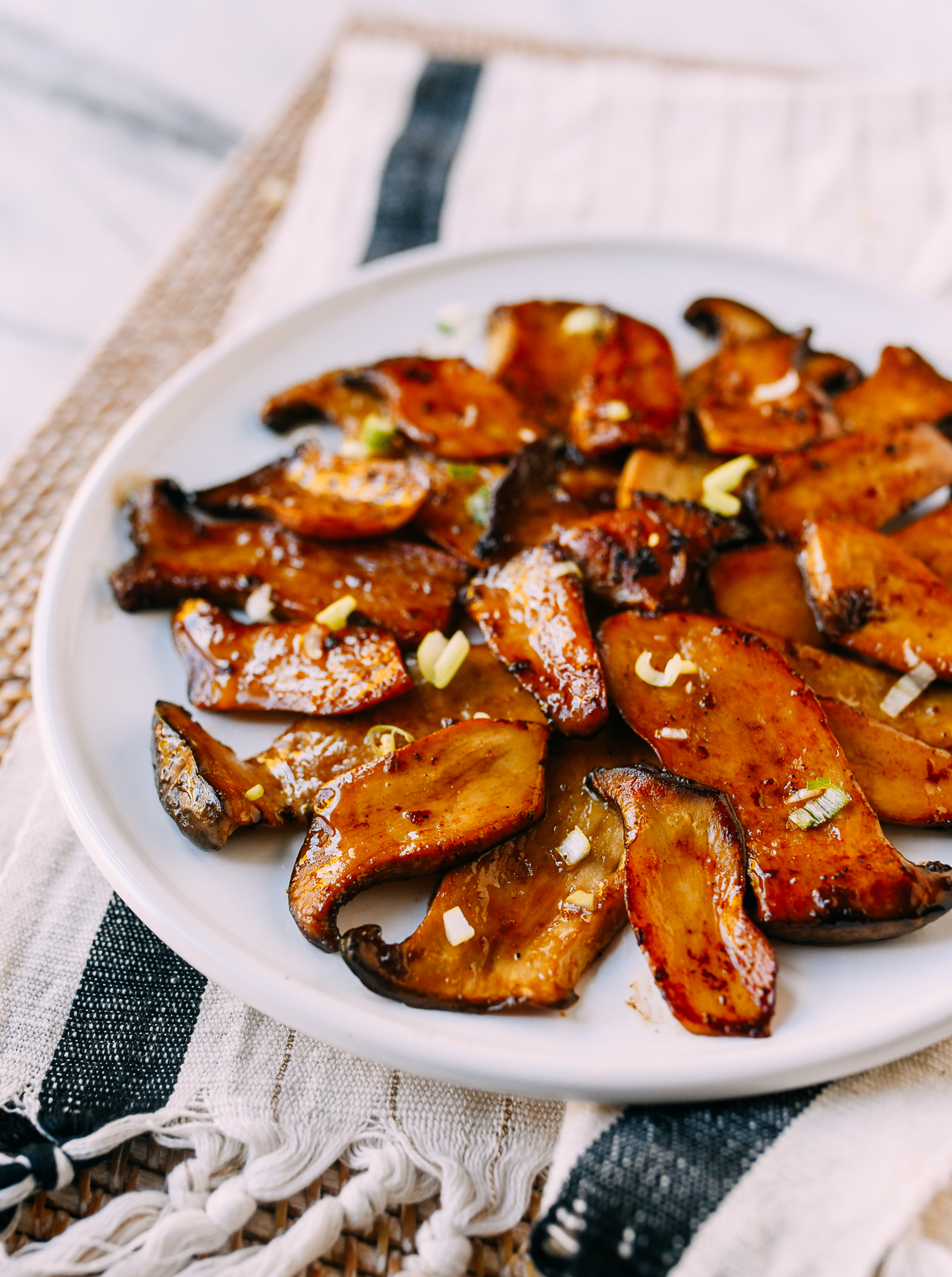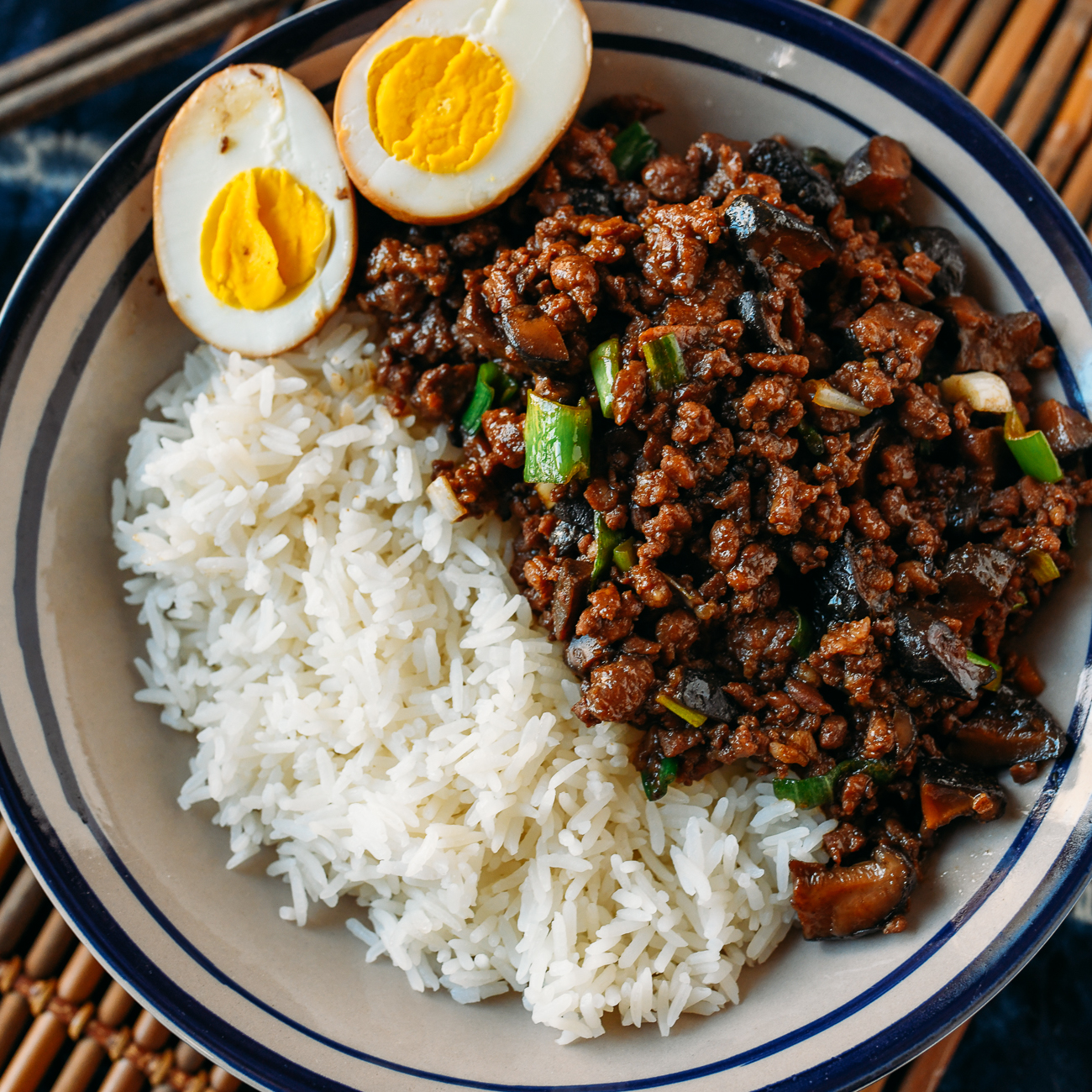
While we didn’t include Chili Oil in our list of 10 Essential Chinese Pantry Ingredients, it is a staple in Chinese cuisine, and in our pantry. A dollop of chili oil can wake up a bowl of noodles, add a spicy edge to fried rice, and contribute to the color and flavor of fiery Sichuan dishes like Mapo Tofu.
Kaitlin’s recipe for homemade chili oil is one of the most popular on the blog and the Internet in general. (For good reason––it’s the best we’ve ever tasted, and we’ve tasted many.)
But there are many types of chili oil out there. Chili oils and sauces practically have their own aisle in Chinese grocery stores!
In this article, we’ll talk about what chili oil is, how to use it when cooking Chinese cuisine, what to buy, and how to store it.
What Is Chili Oil?
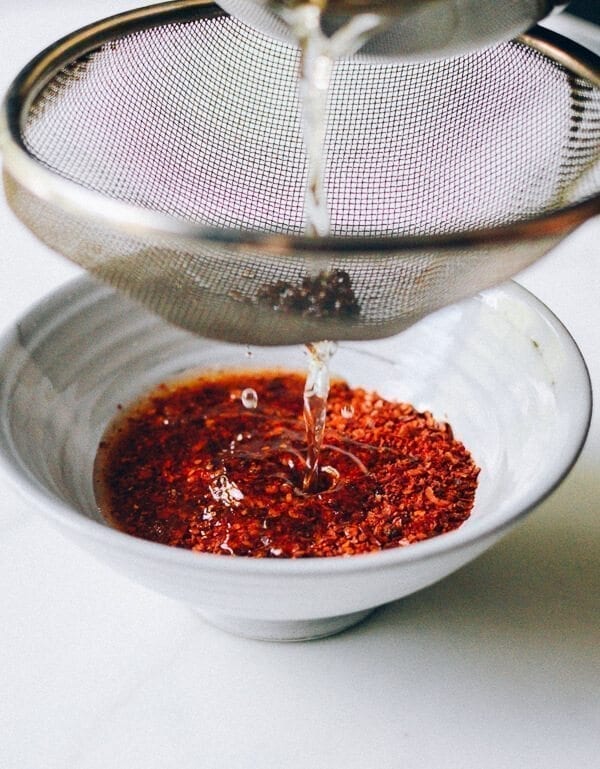
Basic red chili oil is an important condiment and cooking ingredient in Chinese cuisine. One makes it by heating vegetable oil and infusing it with red chili flakes and other spices.
In Chinese, it’s called là jiāo yóu (辣椒油), which translates to chili pepper oil, or simply là yóu (辣油, spicy oil). Different regions have other names for it, such as hóng yóu (红油, red oil) in Sichuan or yóu pō là zǐ (油泼辣子, oil splashed chili peppers) in Shaanxi.
Some store bought chili oils contain infused oil only, like the one below.
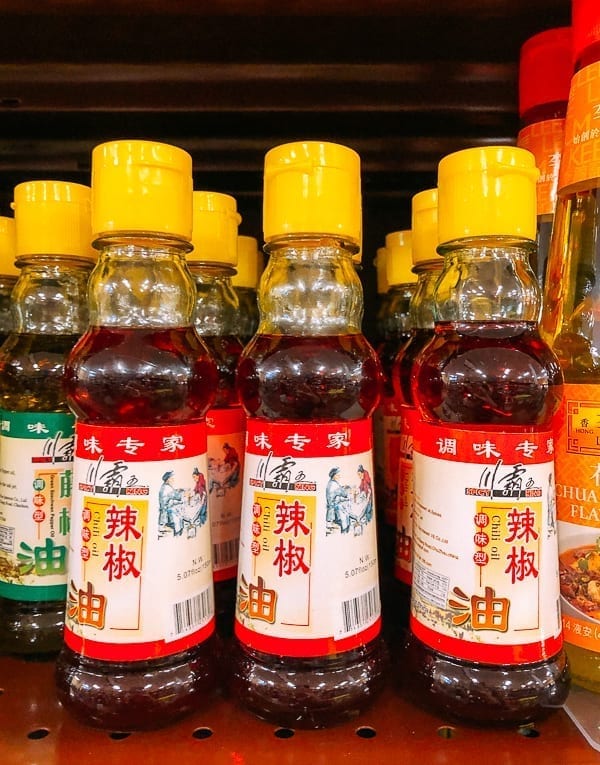
Others include the toasted chili flakes (though these are harder to find). How much of the chili flakes a cook or diner decides to use is a matter of personal preference!
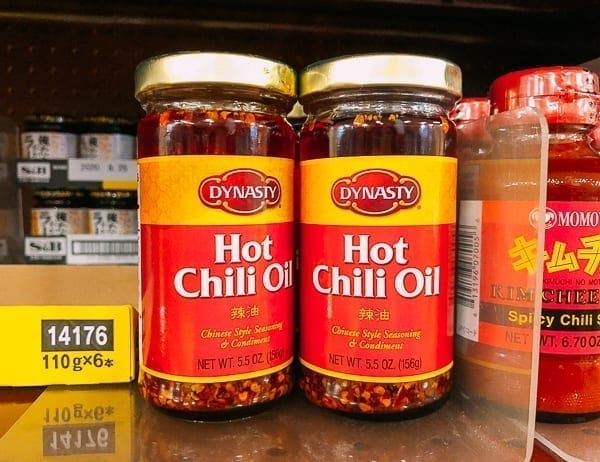
Many commercial chili sauces and chili oil variations also exist these days, filling the shelves of Asian grocery stores and offering varying levels of heat, as well as complimentary flavors and ingredients like garlic, fermented black beans, peanuts, or mushrooms.
How to Use Chili Oil
In some regions of China, people use chili oil almost exclusively as a condiment.
In Cantonese cuisine, for instance, where chefs emphasize freshness, delicate flavors, and allowing the ingredients’ original flavor and essence to shine through, chili oil’s role is firmly that of a condiment. It serves as a dipping sauce for dim sum, or as a topping for noodle and rice dishes. Chefs do not use it as a cooking ingredient.
Other Chinese regional cuisines make liberal use of chili oil as a cooking ingredient––Sichuan cuisine in particular. You’ll find chili oil in many classic Sichuan dishes, including Mapo Tofu, Dan Dan Noodles, Sichuan Spicy Wontons, and more.
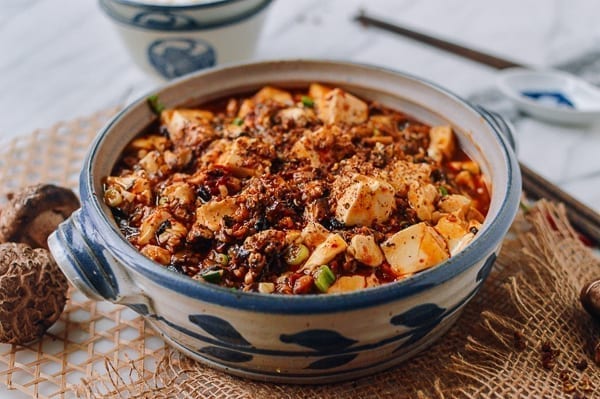
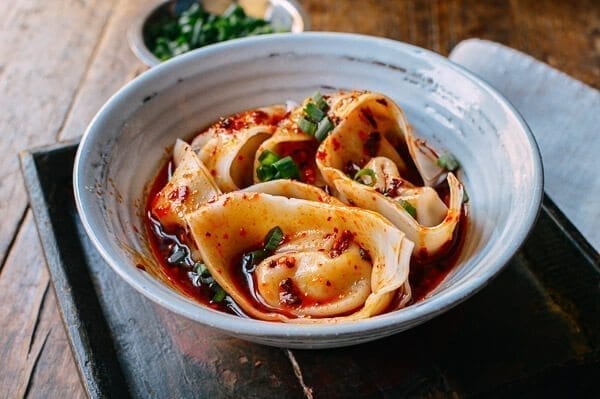
Chili oil can also flavor dipping sauces (for things like hotpot) and dressings (for cold salads, appetizers, or noodles).
Buying & Storing
If we’re being honest, when it comes to pure chili oil, we never use store-bought and much prefer to make it ourselves. We find that when it comes to a need for a basic chili oil to use as a condiment or dipping sauce, or as an ingredient in a recipe, store-bought versions are simply lacking in flavor. It’s also difficult to find a pure one that has the solids (toasted chili flakes) still left in it.
Kaitlin’s recipe for homemade chili oil has much more flavor and depth than any commercial brands we’ve tried. That flavor comes from infusing the oil not just with chili flakes, but other aromatics.
It requires just 7 ingredients to make (oil, star anise, Sichuan peppercorns, cinnamon, bay leaves, chili flakes, and salt), but that makes all the difference. Plus, you know exactly what went into it!
Furthermore, you can choose to keep and use those toasty, delicious chili flakes at the bottom. If you want just the pure red oil, you can skim it off the top of the jar.
Store any oil in the refrigerator in a tightly sealed container, and always use a clean utensil to prevent contamination.
Our Favorite Dishes That Use This Ingredient:
- Droolworthy Sichuan Chicken in Chili Oil Sauce
- Mapo Tofu
- Vegan Mapo Tofu
- Authentic Sichuan Bang Bang Chicken
- Perfect Dumpling Dipping Sauce
- Hot Dry Noodles (热干面)
- Sichuan Spicy Wontons
- Dan Dan Noodles
If you have further questions about this tasty ingredient, let us know in the comments. We try to answer every single one.