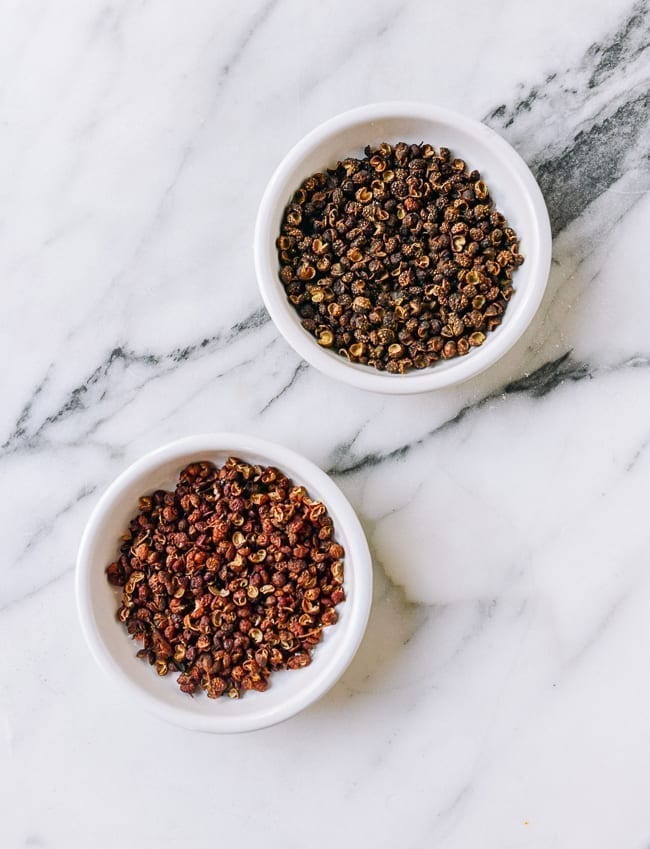
An essential ingredient in Sichuan cooking, Sichuan peppercorns (huā jiāo, 花椒) give spicy Sichuan dishes their unique mouth-numbing quality. Along with spicy Chinese chilies, they create a flavor known as mala (麻辣), or “numbing-spicy.” This unique taste profile is characteristic of dishes from Sichuan Province in southwestern China.
Chinese chefs also use this ingredient in more subtle ways, which we’ll discuss below.
(Though red Sichuan peppercorns are most common, there is also a green variety. Take a peek at our article on green Sichuan peppercorns to learn more about them.)
What Are Sichuan Peppercorns? How Do They Taste?
Red Sichuan peppercorns are the reddish-pink berries of the prickly-ash tree, with small, dark seeds and a bright, citrus-y aroma. The seeds are too gritty, bitter, and unpleasant to eat (imagine trying to chew on sand). They are removed from the outer husk of the berry before use.
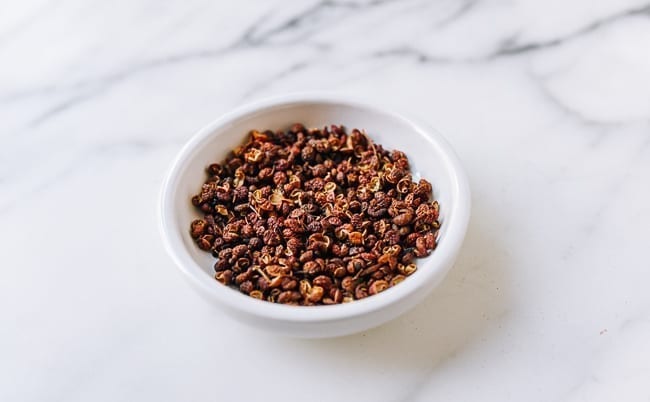
Red Sichuan peppercorns are most common, though there is also a green variety (see the difference in the featured image of this post, and read more about green Sichuan peppercorns).
Despite their name, they have no relation to the peppercorns in a grinder on your kitchen table! They have a warm, faintly lemon-y and floral flavor and cause a pleasant numbing sensation on the tongue and lips when used in larger quantities.
This buzz of numbness, along with fiery chilies, makes a perfect combination that the Sichuan people love. It’s also popular outside of Sichuan Province, both in other regions of China and abroad. In the last 10 years or so, we’ve seen an explosion of popularity in Sichuan cuisine here in the U.S.!
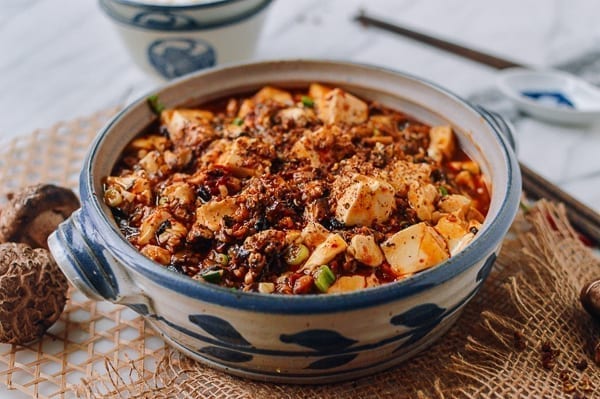
Just think about how popular Mapo Tofu has gotten! (Pictured below: Vegan Mapo Tofu)
How Are They Used?
In spicy Sichuan cooking, the numbing quality of the peppercorns can take the edge off the heat, allowing one to enjoy the more nuanced flavors of a dish. As a result, Sichuan peppercorns are a key counterpoint for hot chili peppers in many Chinese meals.
The unique tingling sensation of the peppercorns and their floral aroma also allows them to transform basic ingredients into complex and flavorful dishes, like in our recipe for Dry Fried String Beans or Kaitlin’s popular Mapo Tofu.
Across China, cooks use them as a seasoning for roast meats, braises, and even cured meats like our Cantonese Cured Pork Belly. It’s important to note that in small quantities, the numbing effect is not noticeable. Instead, they add a unique flavor to marinades and braising liquids, as well as our chili oil recipe.
The numbing effect is generally most noticeable when you use a lot of Sichuan peppercorn infused oil, a large quantity of peppercorns, or a significant amount of powdered Sichuan peppercorns.
Whole red Sichuan peppercorns work well in stir-fries with chilies and veggies, but biting into a whole peppercorn husk can be an intense experience. Some cooks prefer to use them to flavor oil during the initial phases of preparing a dish, or grind them into a powder to be added either during cooking or as a garnish.
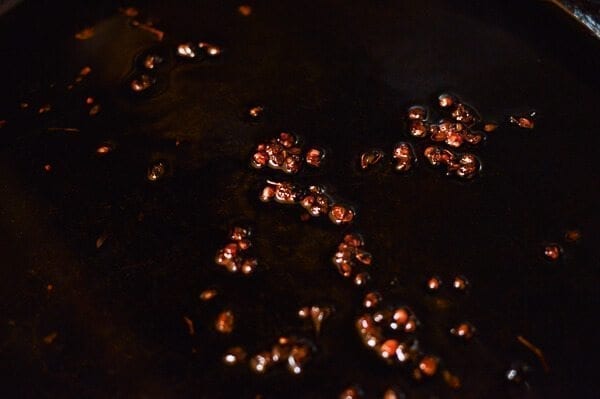
It is possible to buy red Sichuan peppercorn powder, but we recommend grinding your own using a mortar and pestle or spice grinder. Before chopping or grinding peppercorns, we recommend lightly toasting them.
Sichuan peppercorns are also one of the five main ingredients in Five Spice Powder!

One final note is that according to traditional Chinese medicine, this spice also helps with blood circulation, expels cold, and is believed to help with arthritis pain!
Buying & Storing
Importing Sichuan peppercorns into the United States was prohibited for about 40 years due to concerns about U.S. citrus crops being damaged by a contagious citrus tree canker. The ban was partially lifted in 2004, but Sichuan peppercorns remain somewhat challenging to find in U.S. stores.
Although typical local supermarkets generally do not carry Sichuan peppercorns, the spice is usually available for purchase in ground or whole form at many Asian grocery stores and specialty herb and spice shops, both online and local.

Buying Sichuan Peppercorns online
A great online resource for Sichuan peppercorns, as well as other highly curated Sichuan/Chinese ingredients, is The Mala Market. They source premium Sichuan peppercorns and import them directly from China. Generally, these peppercorns are notably fresher and higher quality than those you can buy from Chinese supermarkets.
They can be tricky to find in person if you do not read Chinese, as some merchants will not use English on their packages. If they do, different brands may use different names.
You’ll see packaged with labels like, “dried peppercorn,” “dried prickly ash,” or “flower pepper,” among other names. Prices for the potent spice can range from $1.50 to $8.50 per ounce.
No matter the name, there are some key points to keep in mind when buying this spice:
- Whole, fresh husks in clear packaging are preferred to their pre-ground and bottled counterparts.
- When buying red Sichuan peppercorns whole, brightest is best. Look for husks with vibrant shades of pink and red. Avoid peppercorns that look dark or discolored. The brighter red the peppercorns, they fresher they are, and the greater their numbing effect will be.
- Also avoid packages with many seeds and stems. If your see them, make sure you remove them before using or your may experience a gritty taste in your dish!
When you open a bag of peppercorns for the first time, you should get a strong flowery and peppery aroma. The second test of freshness is biting into one of the peppercorns; you should definitely taste the spice and feel the numbness!
Whole Sichuan peppercorns can last a few years as long as you store them properly in an airtight bag or jar. Keep them away from light and moisture. Ground peppercorns will lose their potency after a few months.
We use Sichuan peppercorns whole much of the time, but you can also grind them with a mortar and pestle or with a spice grinder. When using them, be sure to pick out any stray stems and shake off any dust in a strainer before using them. You can also buy ground Sichuan peppercorns as well, but we recommend using a mortar and pestle to grind your own as needed to ensure a strong flavor.
Substitutions for Sichuan Peppercorns
If you don’t have a Chinese grocery store near you, this spice can be difficult to substitute. Few spices truly compare to the delightful tingly numbness that Sichuan peppercorns provide.
If the red berries are not available, look for the green variety. They have a slightly different flavor but will usually offer a stronger numbing sensation.
You may also find them in their ground form, or as an infused oil (read more about Sichuan peppercorn oil). However, we highly recommend sourcing them online.
Our Favorite Recipes That Use This Ingredient:
- Sichuan Hot Pot
- Sichuan Stir-Fried Potatoes
- Authentic Sichuan Bang Bang Chicken
- Dry Fried Sichuan Beef
- Sichuan Boiled Beef
- Sichuan Spicy Three Pepper Chicken
- Mapo Tofu
- Dan Dan Noodles