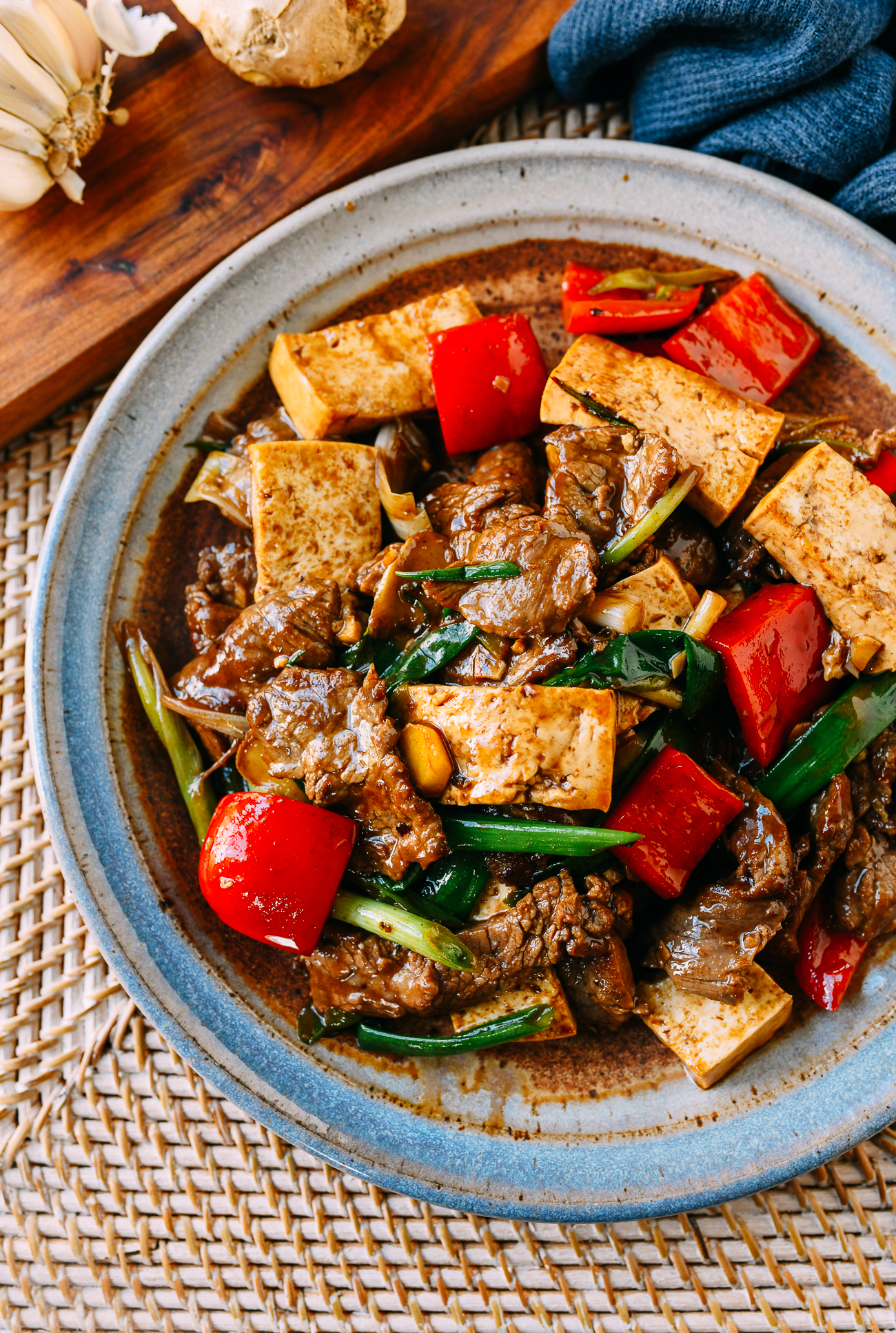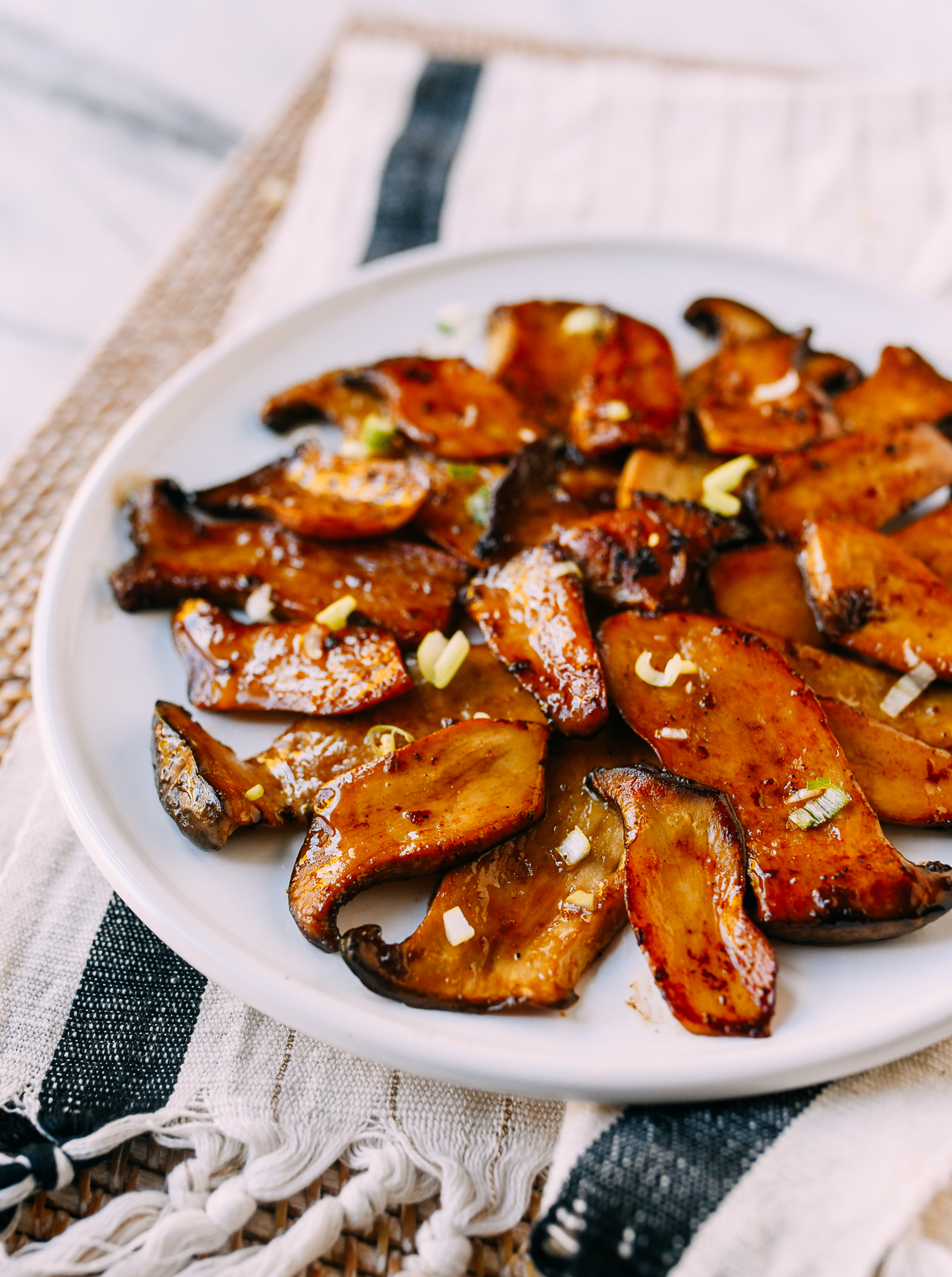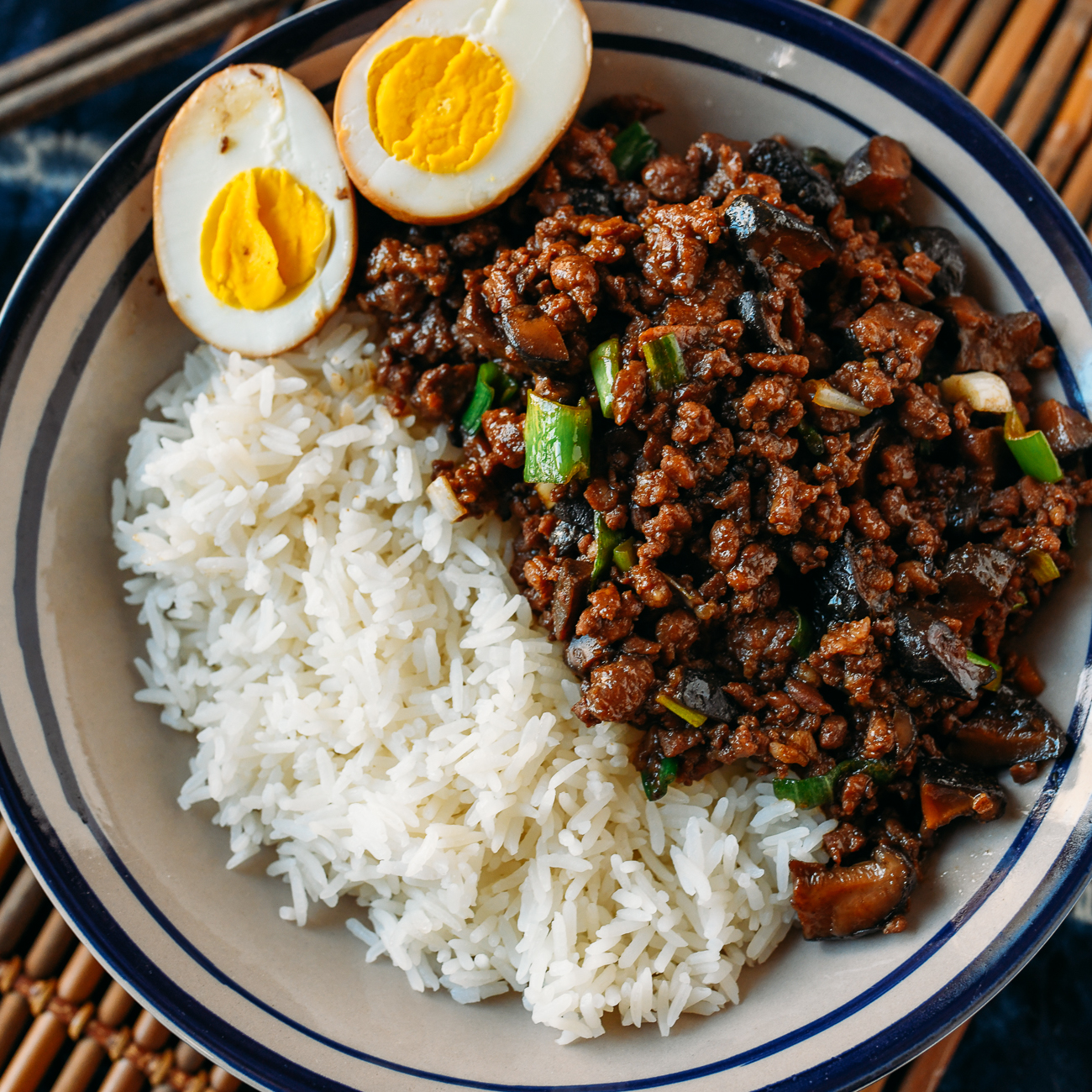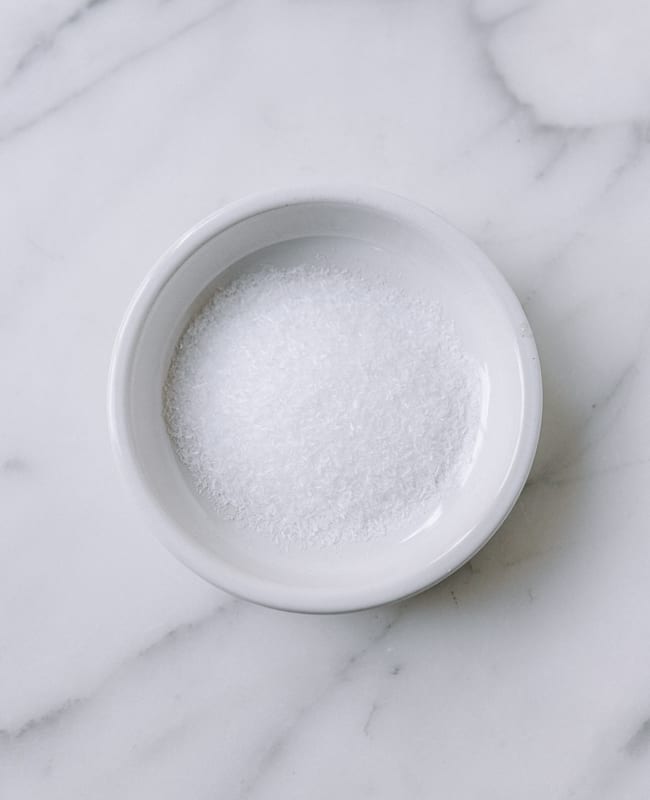
The flavor enhancer monosodium glutamate, commonly known as MSG, been a subject of controversy in the culinary world for decades. But is it really that bad? This comprehensive guide aims to demystify this ingredient. We’ll also talk about cooking with MSG for those of you curious about whether or not to include it in your pantry!
Background on The MSG Controversy
Chances are good that you’re familiar with the negative reputation of monosodium glutamate (MSG).
The stigma began in the 1960s, when a biomedical researcher published a letter in the New England Journal of Medicine.
Dr. Robert Ho Man Kwok described a set of symptoms he experienced after eating at Chinese restaurants, including numbness, headaches, sweating, weakness, and palpitations. He speculated that these symptoms could be caused by several factors, including MSG.
Despite the fact that this assertion was never tested, these supposed effects earned the collective moniker, “Chinese restaurant syndrome.” Media outlets ran with the idea, leading to sensationalized reports and growing public concern about MSG’s safety.
That’s when people began forming negative associations with Chinese restaurants and buying packaged goods that contained MSG.
In recent years, however, the supposed negative side effects of eating MSG have been largely debunked.
While some studies have found that some people experienced headaches and other minor symptoms in response to MSG, the U.S. Food and Drug Administration says that the ingredient is “generally recognized as safe.” That is, it is fine to eat as long as you’re not downing bottles of the stuff daily and don’t have particular sensitivity to it.
More recent studies haven’t found a consistent link between MSG and purported symptoms when MSG is consumed in normal dietary amounts.
You might be surprised to find how many processed foods, seasonings, and condiments still include MSG, or similar compounds like disodium guanylate.
This controversy has had significant cultural implications. Despite MSG being used in many Western processed foods, the focus on “Chinese Restaurant Syndrome” targeted Chinese cuisine in particular and, by extension, Chinese-American businesses and communities.
So what is MSG, and why do we use it? Does it deserve a place in your spice cabinet or pantry? Read on!
What Is Monosodium Glutamate (MSG), exactly?
Monosodium glutamate (known in Chinese as wèijīng, 味精) is the synthesized version of glutamic acid. Glutamic acid is an amino acid that shows up naturally in many foods, including tomatoes, parmesan cheese, and mushrooms.
In 1908, Japanese scientist Kikunae Ikeda invented MSG by trying to replicate the savory taste of kombu, or kelp.
He figured out that the desirable umami flavor of the seaweed came from its glutamic acid, which could be isolated and stabilized by adding sodium. It is actually naturally occurring!
Today, most MSG comes from a bacterial fermentation process. The result is a crystalline substance that looks something like table salt.
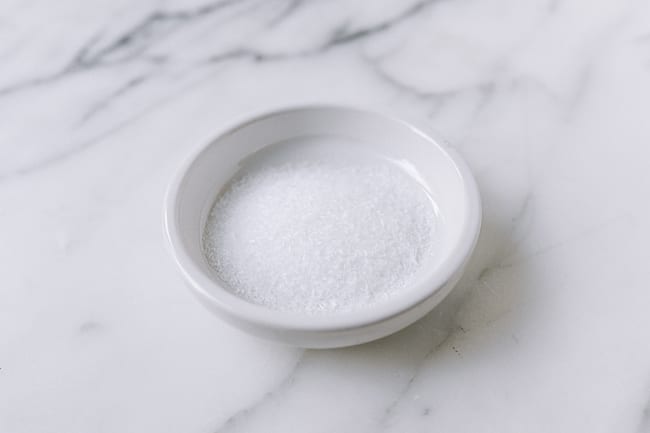
It’s available in plastic packages or spice jars, making it easy to add a dash to stir-fries or soups for a little extra “oomph.”
If you eat processed foods or use prepared spice mixes and sauce or dressing mixes, chances are that you are already consuming it in small quantities.
Cooking with msg
By itself, MSG doesn’t taste like much. The magic happens when you add it to savory dishes. It creates instant umami.
Umami means “savory” or “essence of deliciousness” in Japanese. Along with sweet, salty, bitter, and sour, it is one of the big five “tastes” we can sense. MSG and umami are two sides—one has a negative connotation, and one has a positive connotation—of what is essentially the same coin.
MSG is an easy way to amplify the taste of savory foods. That’s why it became common in Chinese restaurant cooking.
Older generations in our family used to joke that adding MSG to cooking was like adding a touch of sifu. (Meaning “master” or in this case, “master chef.”) You don’t need much, and it can certainly enhance the taste!
You’ll find that the vast majority of our recipes at The Woks of Life do not use MSG. There are many other ways to add a tasty kick to food. However, we do use it occasionally!
Some chefs may prefer to add a pinch of when cooking dishes like Fried Brown Rice or Egg Drop Soup.
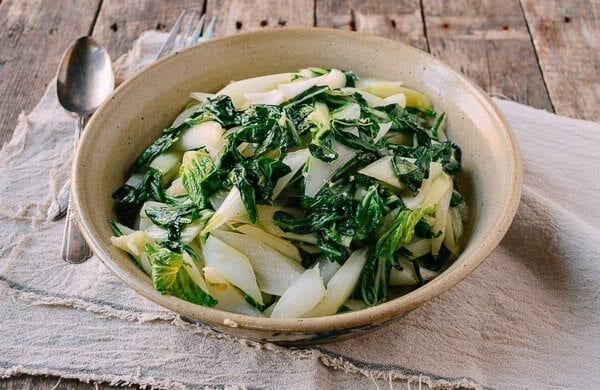
We think it adds major flavor when cooking stir-fried leafy greens, like bok choy or water spinach (ong choy). Combine the magic of wok hei (that smoky flavor you get from high heat wok cooking) and MSG, and you’ll be in for an extra delicious dish!
When we eat out at Chinese restaurants, we can immediately tell when MSG is in a dish, especially in these stir-fried green vegetables. We’re not gonna lie—there is definitely an improvement in taste!
In other words, we may not put it in everything we cook. But we do like to have it on hand for certain applications.
That said, we know MSG remains a controversial ingredient. We know that many home cooks and diners would rather it not show up in any of their food. You can certainly ignore this article and continue to avoid it, but our family’s perception is that MSG is no longer a “bad” thing.

Tip!
If you’re set on avoiding an MSG, you can try umami powder made from mushrooms (usually dried shiitake) as an alternative. Note that these mushrooms are full of naturally occurring glutamate, so the MSG effect is still there!
Recipes
If you’d like to try MSG, it’s usually added towards the end of cooking. We tend to use it in dishes that are lighter in flavor, that don’t use as much soy sauce (which has some naturally occurring MSG already in it). You can start with 1/4 teaspoon, and add it to recipes like:
- Shrimp with Lobster Sauce
- Moo Goo Gai Pan
- Chicken & Broccoli with White Sauce
- Salt & Pepper Pork Chops, Salt and Pepper Tofu, or Salt and Pepper Chicken
- Bok Choy Stir-fry
- Stir-fried Pea Tips
- Wor Wonton Soup
- Cantonese Pork Bone Soup with Carrot & Chinsese Yam
- Bitter Melon Pork Bone Soup
- Winter Melon Soup with Pork Ribs
- Watercress Soup with Pork Ribs
- Chicken & Pork Stock
- Any Fried Rice Recipe! (Just search ‘fried rice’ in our search bar)
Experiment with using it to taste. You may want to adjust the salt levels in the recipe.
Buying & Storing
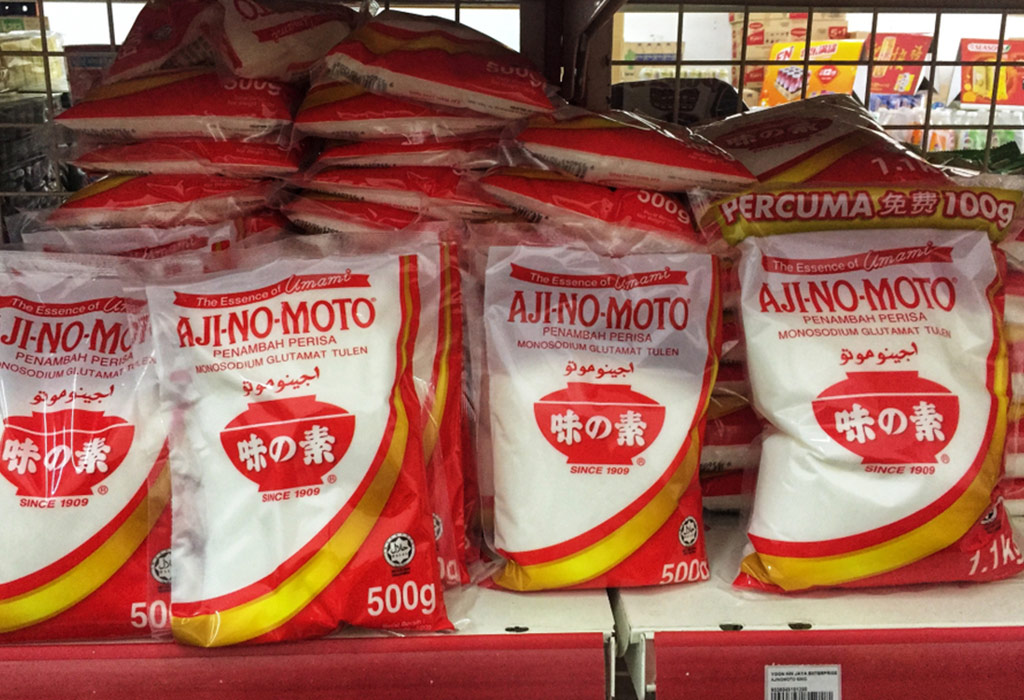
MSG is not difficult to find, as long as you know what to look for. Aji No Moto is probably most recognizable brand. It is the “original” version manufactured after Kikunae Ikeda’s invention.
However, many brands produce it with labels like “umami seasoning,” “umami powder,” and “flavor enhancer.”
Asian grocers are most likely to stock MSG, but you may also find it at local grocery stores that have a large spice and seasoning selection. Of course, if all else fails, it is widely available online via Amazon and other web vendors.
MSG is usually far cheaper than many of the other Chinese seasonings we use, so if you’re looking for an economical way to boost the umami in your cooking, you can feel free to give it a try.
Like sugar and salt, the shelf life of MSG is basically indefinite. Just be sure to store it in a cool, dry place.