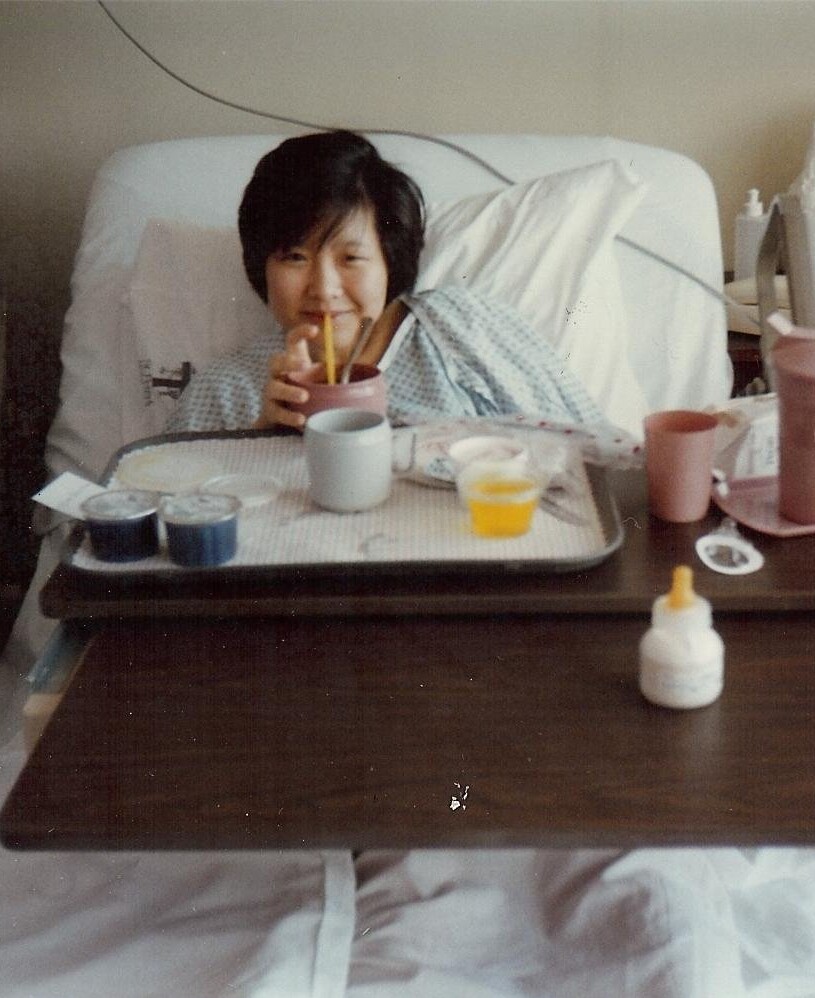
In Chinese tradition, the postpartum diet is made up of foods that new moms can eat to replenish their body, boost circulation, and stimulate milk production.
We’re not talking about “bouncing back” to lose weight after giving birth! This is about making sure that a mom’s body recovers from the very taxing 9+ month journey it just went on!
We’ve gotten many requests over the years for Chinese postpartum recipes, so in this post, we’ll go over some traditional Chinese dietary guidelines for new moms, as well as relevant recipes!
Important Disclaimer: The content of this article is intended for informational and educational purposes only and should not be misconstrued as medical advice. We are not physicians. There are many customs and traditions surrounding childbirth and new parenthood, and this post simply describes Chinese cultural practices and traditions. Always consult your doctor to understand what is safe for you. Also, here we use terms like “mom” and “mother” but this post is meant to be inclusive of any birthing parent.
Replenishing the Body
After the birth of a new baby, most people focus their attention on…the new baby. And who can blame them? There’s so much indescribable excitement and joy around this new family member!
Even so, we shouldn’t lose sight of caring for the new mom. New mothers spend much of their strength during childbirth—all after a long and trying pregnancy. On top of that, the childbearing body goes through major hormone changes during pregnancy and after childbirth.
According to Traditional Chinese Medicine, the body’s balance of cold and heat (yin and yang, respectively) is thrown off by all of this. Typically, the childbearing body will end up with a deficiency of heat, resulting in internal cold (yin), as there is bleeding and other fluid loss in addition to the overall exertion and strain. A balanced postpartum diet helps restore the inner heat in the body.

My Experience
Sarah was a C-section birth. I don’t remember much of it, except that there was a lot of pain. I do recall being bewildered when the nurses asked me to get out of bed and sit in a chair 7 hours after the C-section. Kaitlin was a regular birth, but I remember I couldn’t stop shaking from chills afterwards!
After I gave birth to Sarah, Bill came to the hospital armed with a whole steamed fish, because I had the most intense craving. (Small wonder that I couldn’t stand seafood when pregnant with Sarah, and she hated seafood growing up. As soon as she exited my body, I was back to craving fish!) I just about ate the whole thing.
Bill’s mother also stewed a big batch of ginger and black vinegar pork knuckles to replenish my health, but I couldn’t stand the taste! Bill’s aunt gladly took them off my hands. While she wasn’t pregnant, she loves the flavor!
Postpartum Diet and Care During the Chinese 30-day Confinement After Childbirth
If you haven’t read my previous post on the practice of Chinese confinement after childbirth, it is basically a time when a new mother can rest and recover with the new baby. This postpartum care is an important part of Chinese culture.
Most knowledge of these practices is passed down verbally from generation to generation. Some regions and families have more intense practices than others. Often, the mother and/or mother-in-law comes to help with the care of the new baby and cook for the new mom, with help from the other new parent and additional family members. It’s a full-time job that lasts 30 days.
Wealthy families hire professionals—experienced confinement nurses or nannies known as yuè sǎo (月嫂). This person might not be a certified nurse, but she is experienced in taking care of newborn babies and new moms, cooking/diet, lactation consulting, and more. It is a huge expense, though many of the families who can afford it deem it a necessity.
With or without a yuè sǎo (月嫂), it’s best that we learn the basics ourselves. Traditional Chinese Medicine advocates say that during the postpartum period, it is critical to replenish blood to a new mother’s body and cultivate internal heat. There are multiple ways to do this, which I talked about in my previous post, but one of the best ways to do this is with food!
Chinese Postpartum Diet Best Practices
Many pregnant women have a lot of crazy cravings during pregnancy. Maintaining a balanced, healthy diet during pregnancy is key, but per TCM, what you eat after giving birth is just as important!
Eating well and eating the most high quality, fresh ingredients you can manage is important. It’s important to get enough calories with nutrient-dense foods, but also to make digestion easier with more frequent, smaller meals served at optimum temperature.
As for what foods to eat, we’ve put together some general guidance. To start, if you only take away two things from this post, it would be these: 1) no cold food and 2) no raw food! Let’s dive into some more specifics now:
1. No cold foods
Cold and chilled foods like cold drinks and ice cream are forbidden! It sounds dramatic, but this is one of the best known principles of the Chinese postpartum diet. It’s not because of the caloric content, but simply because they are served cold or even worse—iced.
Even room temperature water and liquids should be avoided. All drinks and soups should be boiled before serving, and consumed hot or warm before they turn lukewarm. It’s believed that anything cold will prevent the replenishing of your internal heat and worsen your body’s already vulnerable state.
2. No raw foods
Fruits and vegetables are very necessary to keeping your body regular. However, raw foods are harder on your digestive system when your body is already doing a lot to repair. Avoid eating raw vegetables like salads, crudité, or smoothies. All vegetables should be cooked before consumption.
While raw vegetables can be healthy for us during normal times, these aren’t normal times! Some fruits may be the exception, but many of them have cooling properties (see next tip!). Fruits are often cooked down or made into teas before consumption. At the very least, take them out of the refrigerator and let them come up to room temperature before eating to avoid consuming cold food/drink.
3. Avoid ‘cooling” foods
I already talked about avoiding cold foods (i.e. temperature cold). But you should also avoid foods with cooling properties. In Traditional Chinese Medicine, it is believed that each food has a warming, cooling, or neutral constitution.
Avoid foods with a cooling nature, like bitter melon, radish, tomatoes, turnips, cucumber, crab, and clams. The same goes for fruits like watermelon, pear, and even some legumes like mung beans, which are too cooling during the confinement period. Exceptions to this rule may exist if the dish also contains a balancing “warming” ingredient, like ginger.
Warming foods include ginger, adzuki beans, cinnamon, oats, quinoa, sesame seeds, walnuts, parsley, sweet potato, kale, onions, garlic (anything in the allium family), and dates.
Some foods are considered neutral, including rice, corn, buckwheat, lentils, peas, carrots, beets, kohlrabi, shiitake mushrooms, and potatoes. There are resources out there with more information on the properties of different foods—for example, Healing with Whole Foods by Paul Pitchford is very extensive (fair warning: it is a huge and complicated book!).
4. Avoid fried, spicy, salty, and sugary foods
These foods are more taxing on the body and are not ideal for cultivating a balance of yin and yang. Better choices are easily digestible options like soup, congee, and noodles. This doesn’t mean that you can’t have ANYTHING that falls into this category. Just be mindful and use in greater moderation than you would normally.
5. Choose easy-to-digest proteins and grains
Choose easy-to-digest proteins like fish, eggs, and chicken, especially at the beginning of your confinement, as your body is just beginning to recover. Hard-to-digest foods put an unnecessary burden on your body. Now’s the time to carefully avoid foods you might be sensitive to (lactose, etc.) that can cause indigestion. A bowl of cooked multigrain porridge or oatmeal, congee, and noodles are good options. (Believe it or not, noodles are easier to digest than rice, particularly sticky glutinous rice!)
6. Avoid alcohol
Needless to say, avoid alcohol. Not only is it bad for recovery (it can increase inflammation), it also affects the mother’s milk and in turn the baby. This is accepted wisdom in both Western and Eastern medicine. (More guidance on drinking/breastfeeding from the Mayo Clinic).
One exception to this rule is the use of rice wine in cooking, which promotes warmth in the body according to TCM practitioners. The process of boiling the wine in a soup or cooking with it in a stir-fry cooks off much of the actual alcohol content.
If you want to be extra safe, wait 2 hours after consuming any dish with cooked wine in it before breastfeeding or pumping. Or if you’d rather avoid alcohol altogether, you can do so.
7. Avoid TCM “super foods” unless under the supervision of a TCM doctor
Luckily, most positive postpartum foods are regularly and widely available! That said, you may be familiar with TCM ingredients like ginseng, gingko, and cordyceps. Avoid taking these unless you’re working with a TCM doctor or experienced confinement nurse.
8. Try certain soups to help increase milk production
Soups such as ji yu tofu soup (鲫鱼豆腐汤) and mu gua ji yu soup (鲫鱼木瓜汤) should be taken on a need-only basis. Anecdotally, I’ve found that they are super effective in increasing milk production. But avoid consuming them too soon after childbirth, as your natural milk flow should be helped along by your baby. Producing too much milk too fast can be very painful!
9. Do use a lot of ginger, Chinese red dates (jujube), and goji berries.
These are classic warming ingredients. They’re great not only for postpartum context, but also for women when they are menstruating.
10. Opt for high-calcium greens like spinach and broccoli.
After birth, the body is depleted of key vitamins and minerals, including calcium. Women continue to lose calcium during breastfeeding, as the baby needs calcium to grow. Eat foods that are rich in calcium! While we normally think of fortified dairy products as rich in calcium, they can be cooling and affect digestion. Opt for high-calcium leafy greens!
11. Eat more healthy complex starches like black rice, squash and yams.
These starches are richer in nutrients than refined starches like white rice and white potatoes. They’re also higher in fiber, which can help with digestion.
12. Eat more nuts and seeds like walnuts and black sesame seeds.
Nuts and seeds are rich in vitamins, minerals, healthy fats, and protein. Black sesame seeds and walnuts in particular have warming properties! Try black sesame seeds sprinkled on top of your rice.
13. Avoid green tea—try herbal teas. Use warming spices like cinnamon and orange peel.
There are many herbal tea ingredients for postpartum mothers, including raspberry leaf, red dates, goji berries, ginger, dried longans, and more. Cinnamon and dried orange peel are also warming ingredients!
Chinese Post-partum Recipes
When you factor in the guidance here for foods that are good to eat, we have wide array of recipes that can be considered ideal for the postpartum diet. That said, here are some of the more specific recipes that come to mind for me:
Fruits and Vegetables
Chicken & Eggs
Fish
Pork
Grains, Beans & Seeds
Check out our full list of Chinese Postpartum Recipes here!