Chinese birthday traditions usually boil down to the most well-known one—eating noodles on your birthday as a symbol of longevity.
But there’s so much more to celebrating your birthday in Chinese culture. Let’s explore this topic! There are some worthy old wives’ tales and fun facts, as well as some practical tips for navigating Chinese birthday customs.
Etiquette & Birthday Terminology By Age
In the old days, if you were to ask a Chinese person’s age, they would gladly tell you. But these days, Chinese folks are influenced more and more by Western culture, so don’t be surprised if people try to dodge the age question—especially women!
But if you must ask, here is how to ask a Chinese person their age:
- When asking children: “你几岁了?” (Nǐ jǐ suìle?) This is usually a friendly question, asked with a big smile!
- When asking a young to middle aged person, “请问您贵庚?” Qǐngwèn nín guìgēng? This phrasing is more polite than what you might ask a child.
- When asking a young to middle aged woman, you can also use, “请问您芳龄?” Qǐngwèn nín fānglíng? Again, this is polite phrasing, but just know that she may politely decline to answer.
- When asking the elderly (both men and women), “请问您高寿?” Qǐngwèn nín gāoshòu? Again, a big smile never hurts.
There are also different customs for youths and for elderly folks, and so there are different terminologies for how to refer to “celebrating your birthday.”
For children and people up to middle age, to celebrate a birthday is: 过生日 (guò shēngrì).
For elders, to celebrate a birthday is: 做寿 (zuòshòu). Folks who are attending a birthday party are coming to 贺寿 (hè shòu) and 祝寿 (zhùshòu).
And you shouldn’t use the term “做寿” lightly. Most people would not use this word on themselves unless they consider themselves “too old,” which is subjective. It’s best not to use it with anyone younger than 80 years old!
Determining Your Age
You will likely get more than one answer. For example: The person being asked might say something like, my nominal age (虚岁 – xūsuì) is 63, but my real age (实岁 – shí suì) is 61.
Confused? Here’s how they work:
- Your real age (实岁, shí suì) is based on your birthday, as in Western culture. You’re 1 year old on your first birthday, and another year old on subsequent birthdays.
- Your nominal age (虚岁, xūsuì) is based on Chinese tradition. You are 1 year old on the day you are born, and on the very next Chinese New Year, you are another year old. This is why some people might have a 2-year gap between the two ages.
Also, in China, people may still have the habit of following the lunisolar calendar, instead of the Gregorian calendar. In these cases, birthdays vary yearly. For example, Chinese New Year Day changes year to year on the Gregorian calendar, but it’s always the first day of the first lunar month on the lunisolar calendar.
Chinese Birthday Traditions and Customs
My father was very well-versed in Chinese traditions. He used to share some of those traditions with me, and I’ve also done research on them.
By my father’s reckoning, it is best to reserve birthday celebrations for the young—less than 16 years old, and the elderly—anyone over 80 years of age. Better yet, avoid any big celebrations old or young.
To Western culture, this might seem miserly, but it’s thought best not to make a big to-do and draw “unnecessary” attention to yourself—for the physical world and/or the parallel spiritual world to “see.” (This is good news for anyone out there who isn’t a fan of birthdays for whatever reason!)
What’s more, traditionally, Chinese people believe birthdays to be hurdles rather than simple celebrations, so old superstitions call for letting them pass unnoticed. Of course, over the years, we’ve celebrated birthdays in some fashion with a special meal and a cake—we are Chinese American after all.
But it’s best to check with the person whose birthday it is and not assume one way or another. Chinese friends and relatives may have different opinions and practices.
Here are some of the birthday customs my family has followed in some fashion over the years. Some of these customs may be outdated, but it is still fascinating and important to record them! Here they are:
- There may not be big birthday celebrations when one’s parents and grandparents are still alive. It can be considered bad luck and disrespectful to the elders.
- You can have a birthday celebration before the actual birthday, but never after. A belated celebration is considered “adding” on another year. It’s not a good idea to quicken your aging!
- The Chinese celebrate the “9s”, like 79 and 89 with more fanfare than the “0” years like 80 and 90. This is quite different from the Western convention, because nine in Chinese sounds like “longer,” or “forever,” while zero sounds like death in Mandarin.
Chinese Foods to Eat on Your Birthday
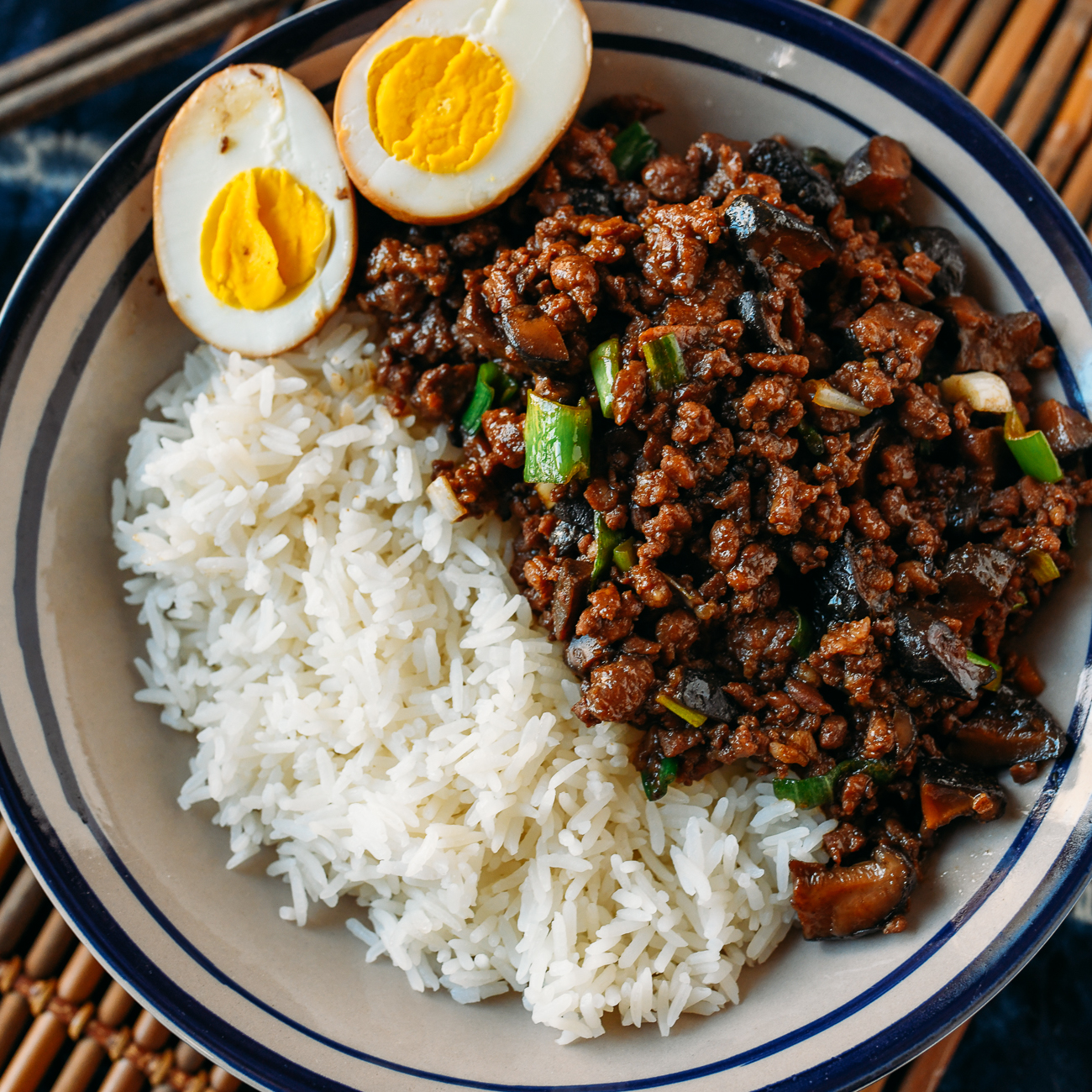
With China’s vast history and geography, there are countless local traditions, but there are some shared similarities. A basic celebratory meal is a bowl of noodle (soup) with 2 eggs. The noodles symbolize long life, while the eggs symbolize birth and renewal.
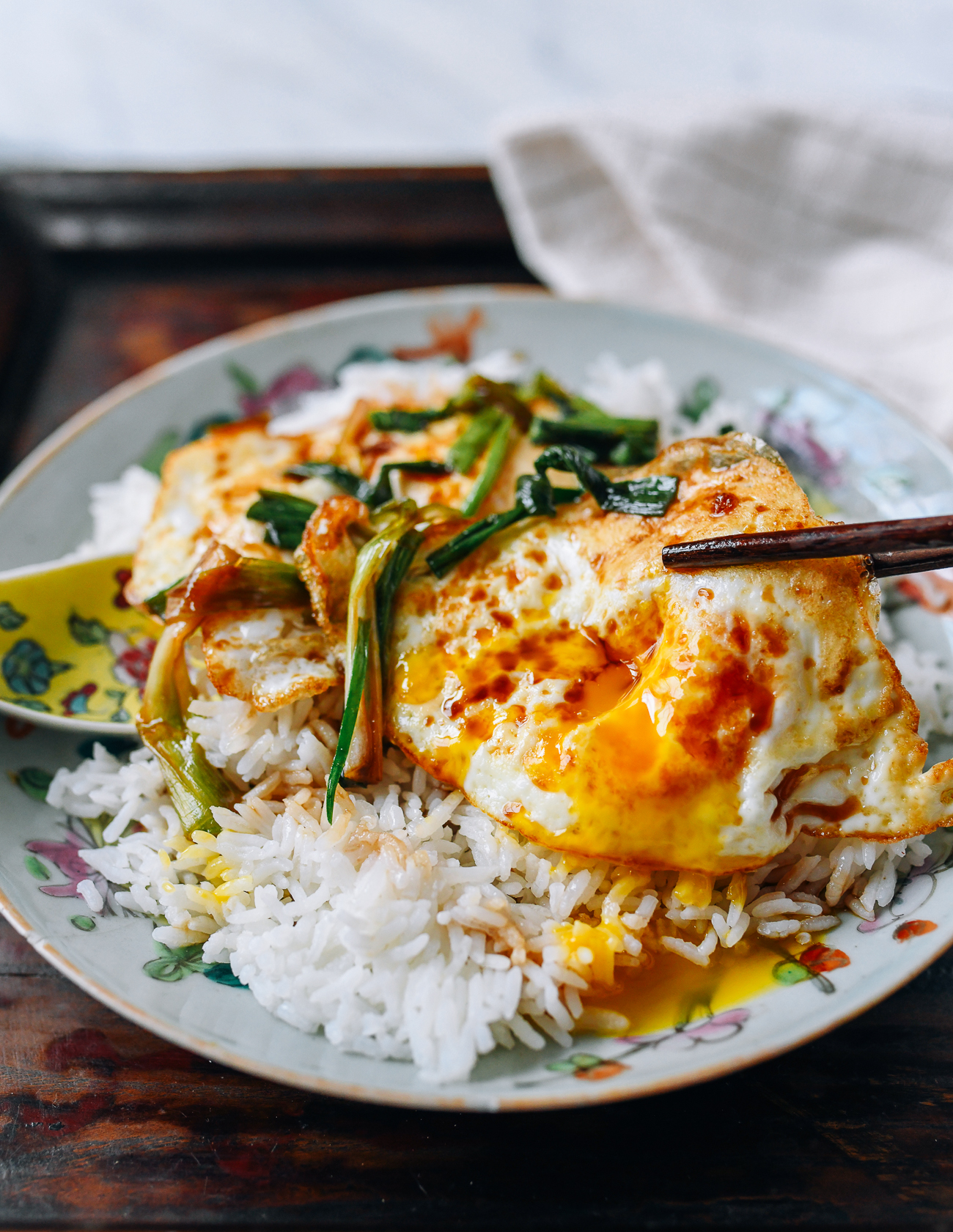
Oftentimes, the two eggs are hard-boiled and colored in an auspicious red color. These days, there is more flexibility, and many people enjoy their birthday eggs pan-fried too.

Noodle SOup Recipes for Your Birthday
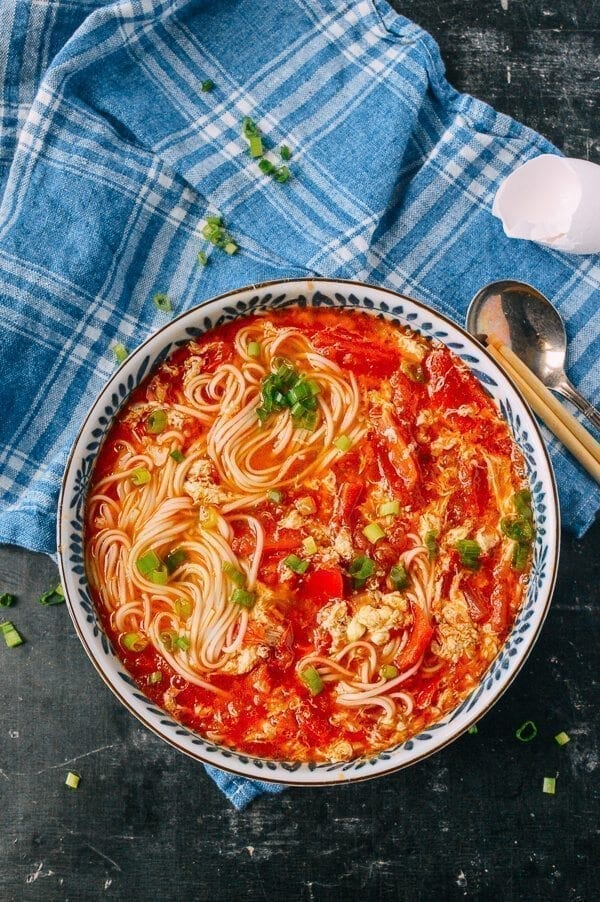
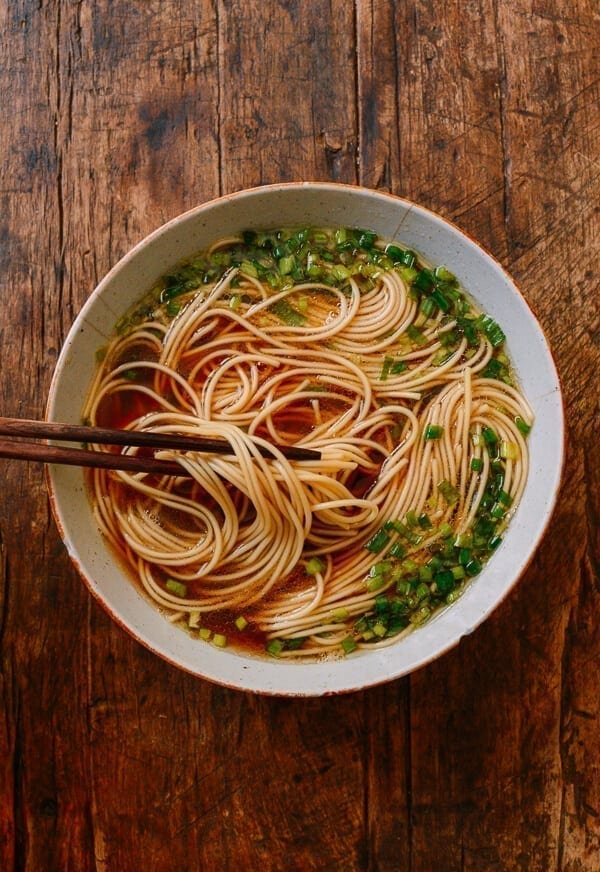
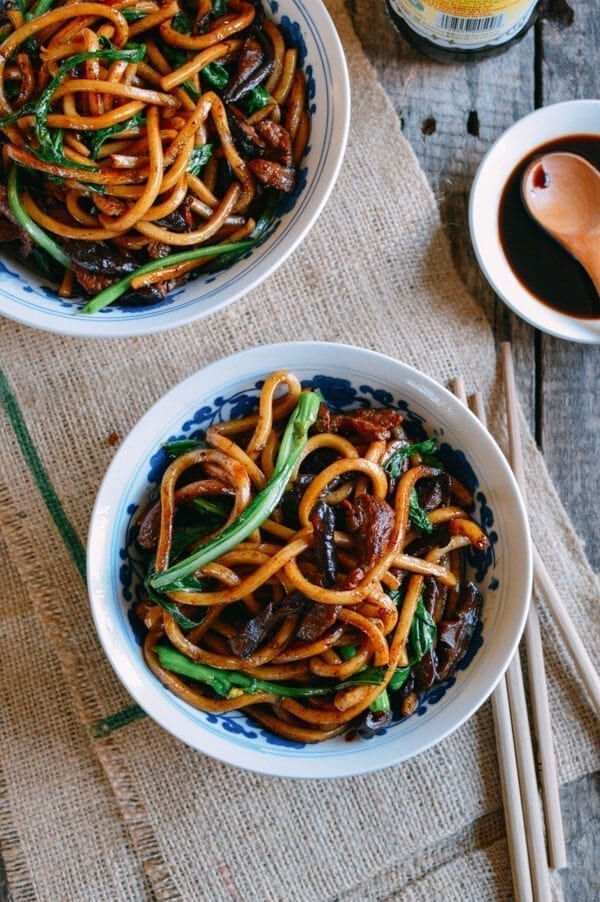
Really any noodle dish works for your Chinese birthday noodles. Leave it up to the person who’s turning a year older! Everything from our 10-minute Tomato Egg Drop Noodle Soup to humble Yang Chun Mian will do.
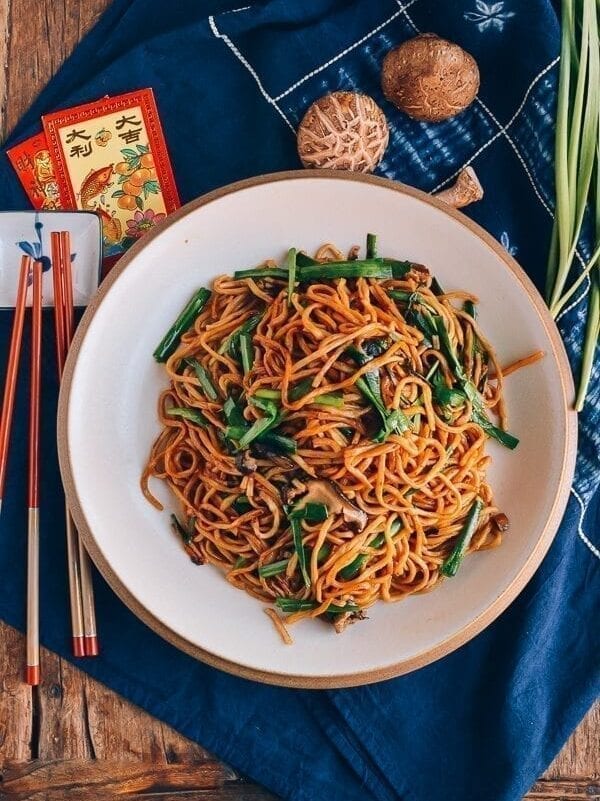
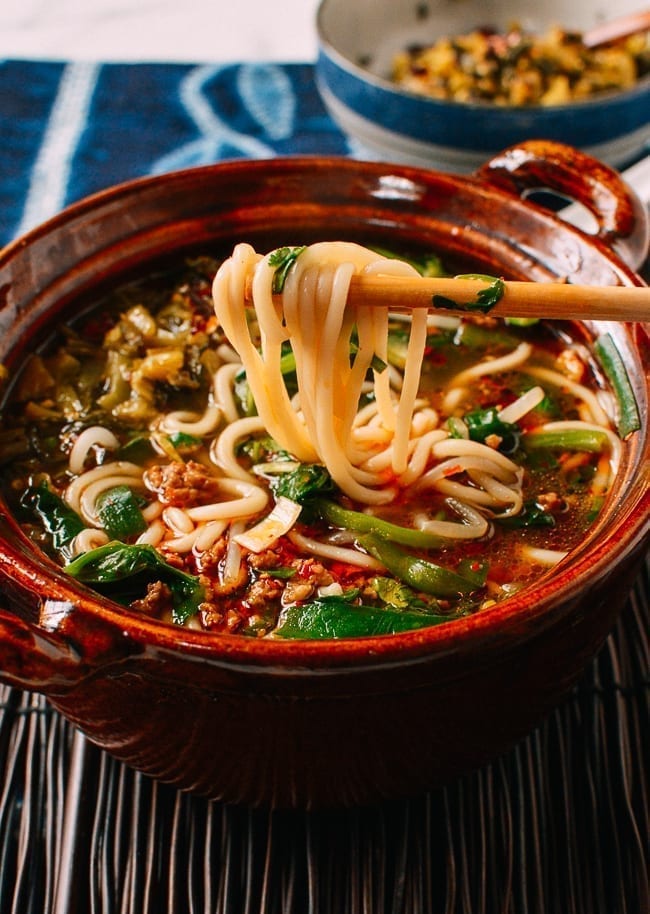
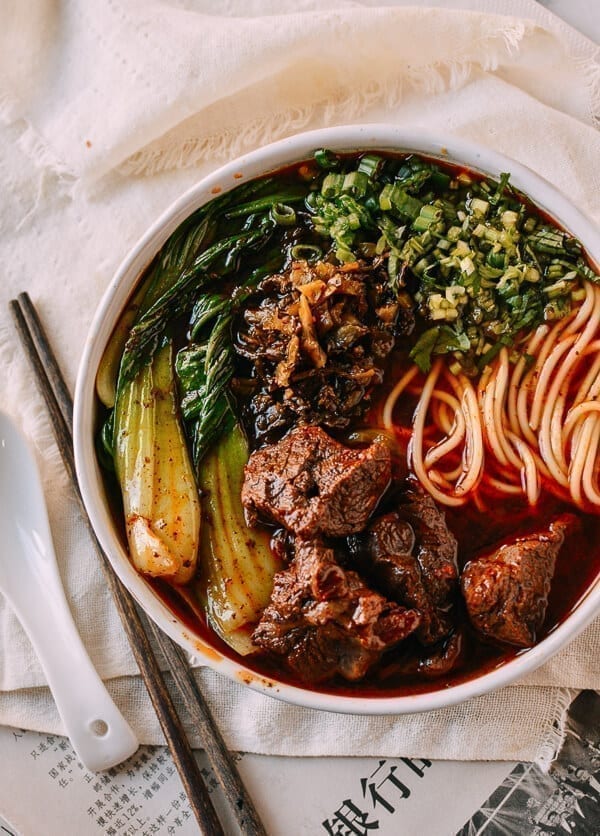
For elders, besides the noodles and red eggs, there are also peach-shaped longevity buns to symbolize a long life.
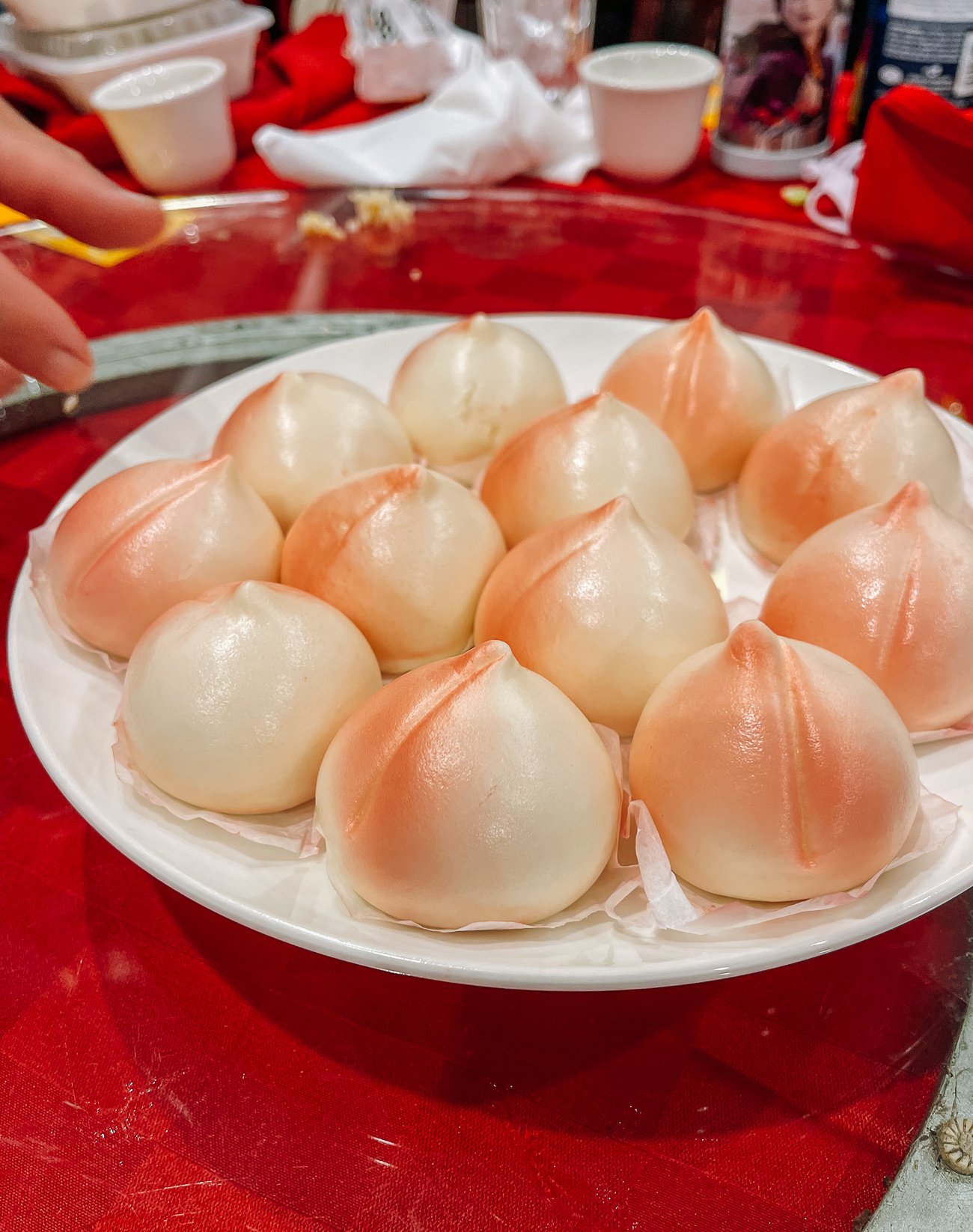
This symbolism goes back thousands of years and it is a specialty reserved only for the birthday celebrations of elders. These days, the tradition has been modified to include peach-decorated birthday cakes.
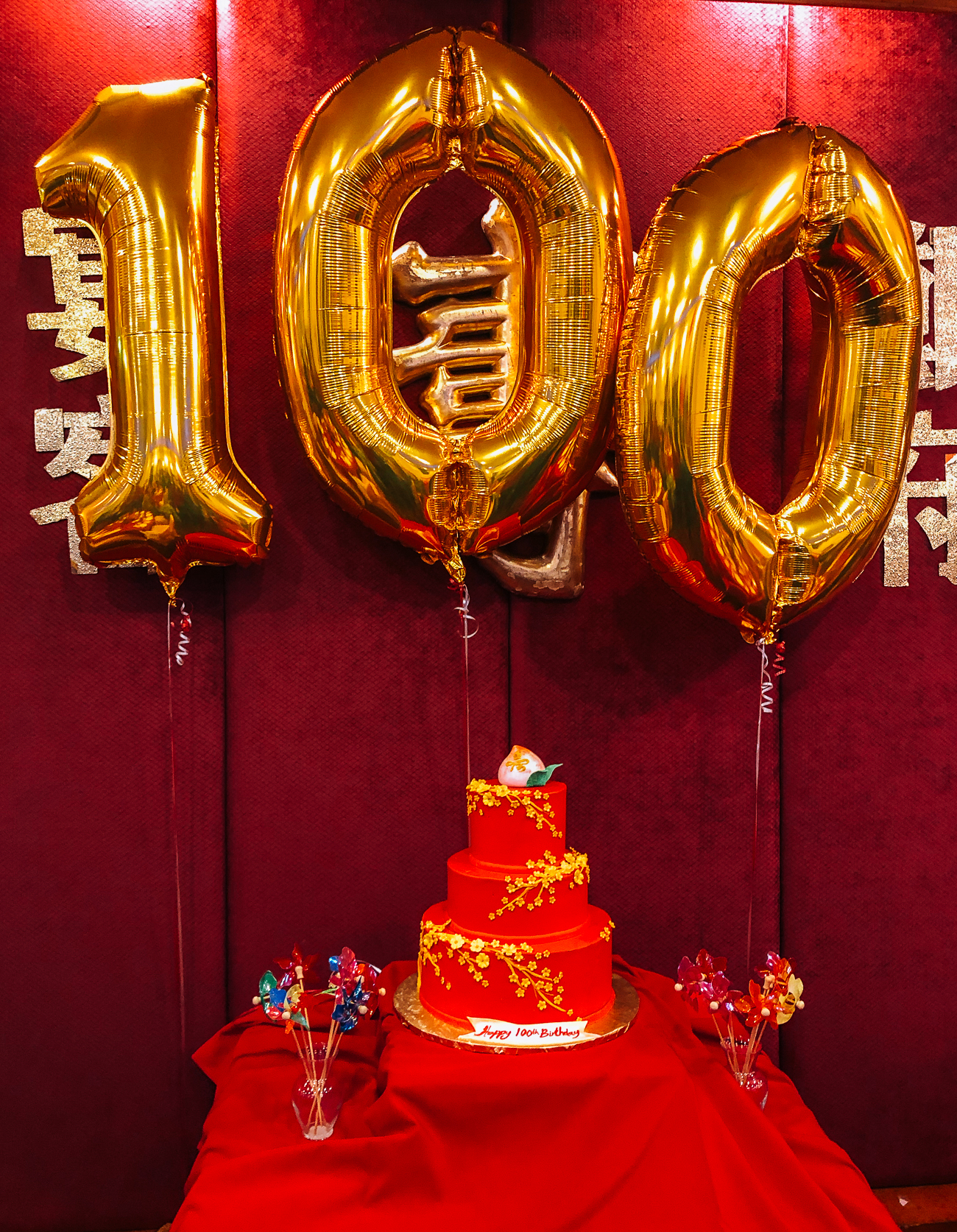
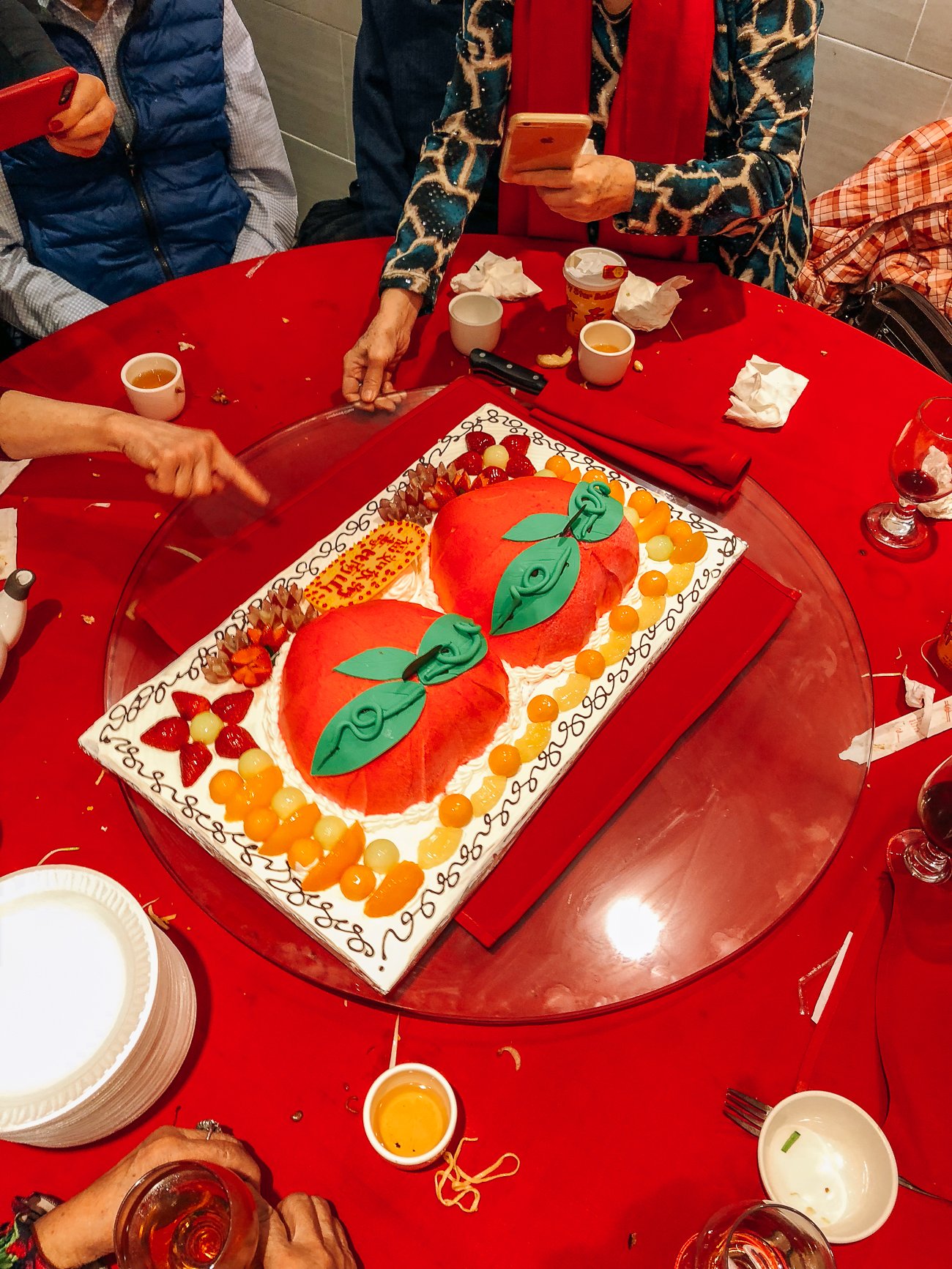
For elders, it’s also common practice to have a lavish celebratory meal for the whole family and friends from near and far.
Reaching a ripe old age calls for well wishes and prosperous gifts in any culture. In the old days, it was a common birthday practice for rich families to put on a private showing of traditional Chinese opera or a similar musical performance for guests to enjoy.

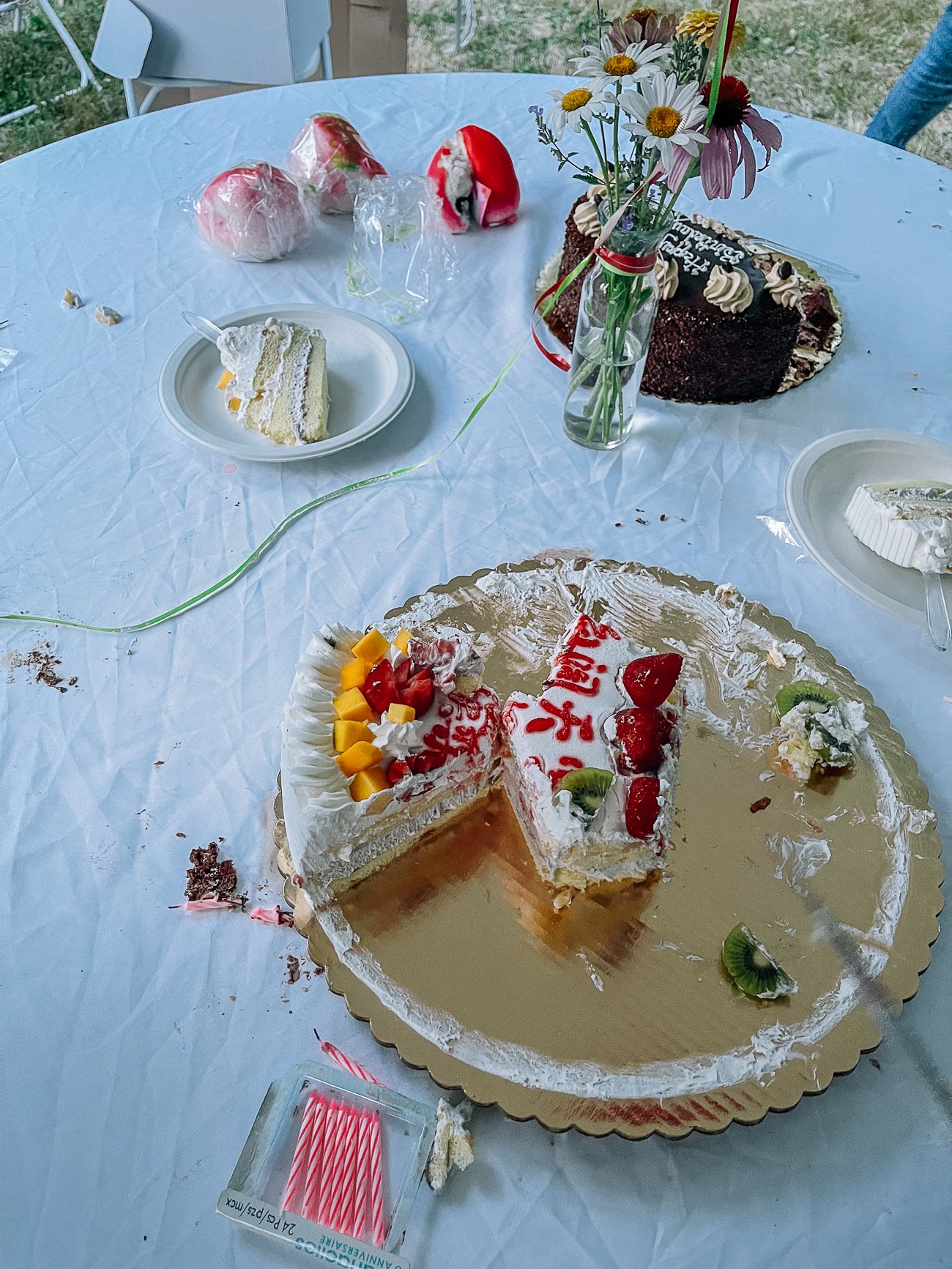
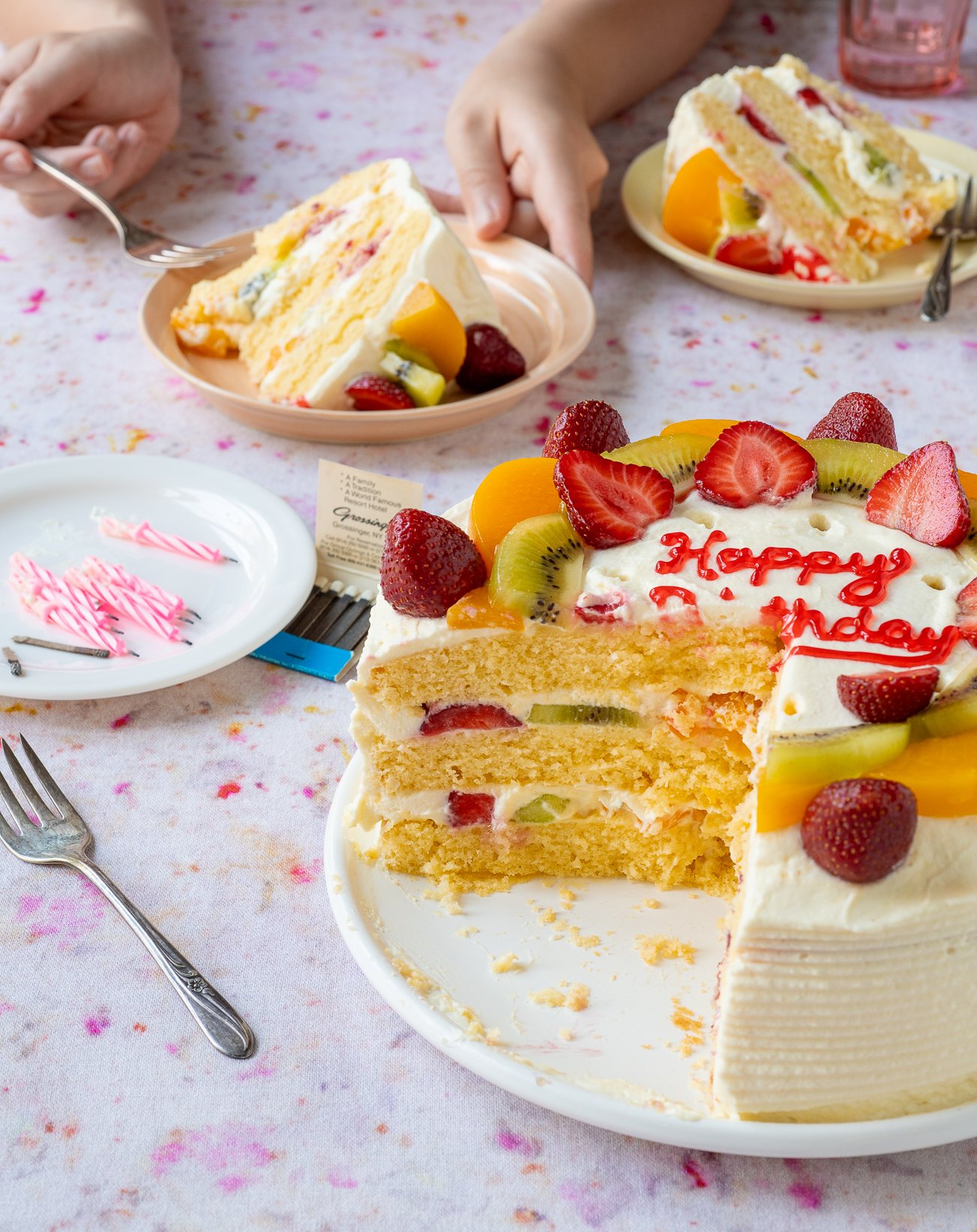
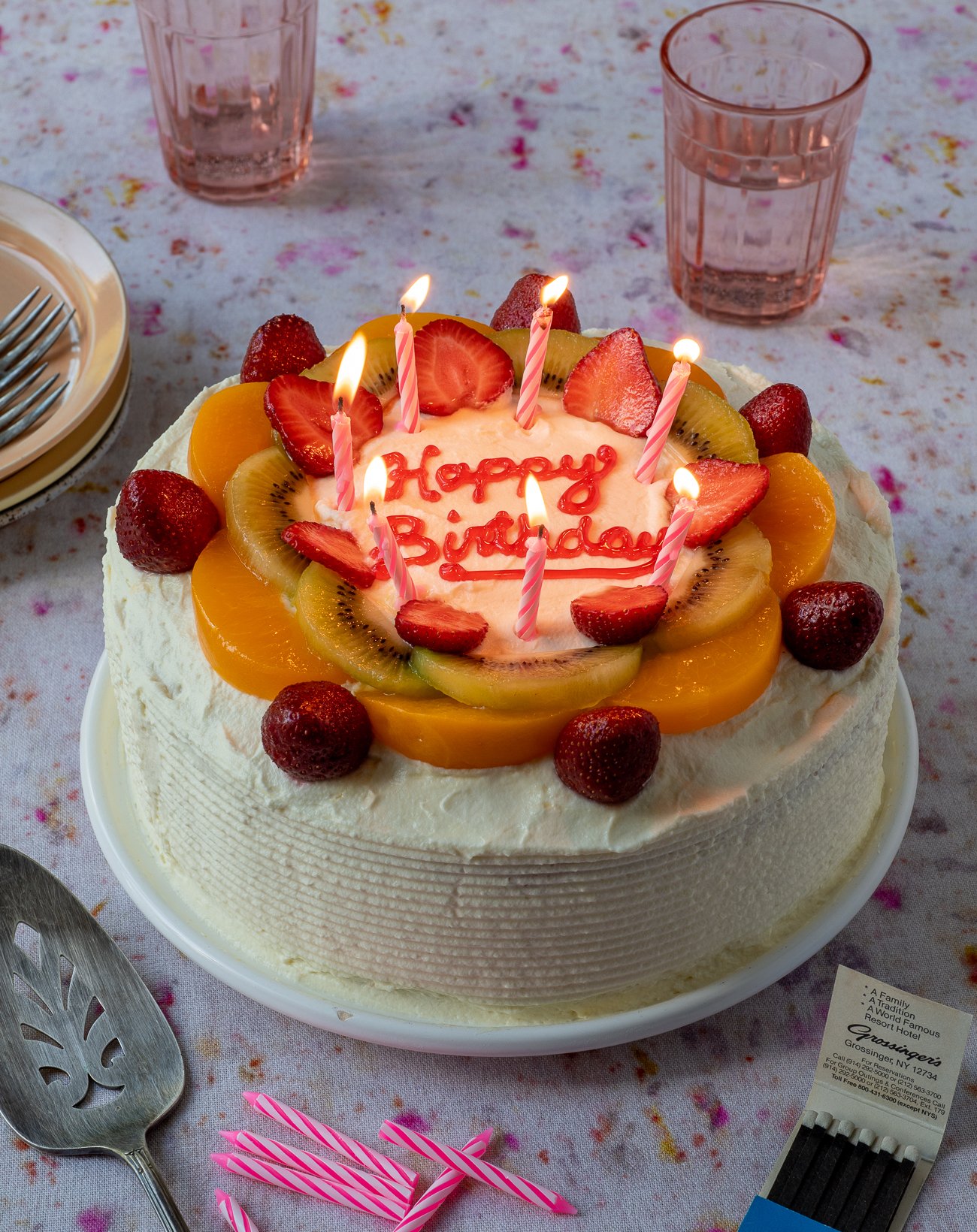
And of course, with the mingling of Chinese and western culture, cakes are a common birthday treat. You’ve probably seen Chinese bakeries with ornate fruit and cream cakes that are lightly sweet with an airy sponge cake.
Sarah actually updated this classic recipe to suit young and old palates alike, as well as Western palates that prefer a little extra sweetness to their cake.
See our Chinese Bakery Fruit & Cream Cake, Reinvented
This is a favored recipe from our cookbook. Find it from your favorite bookseller!
Chinese Birthday Gift Etiquette
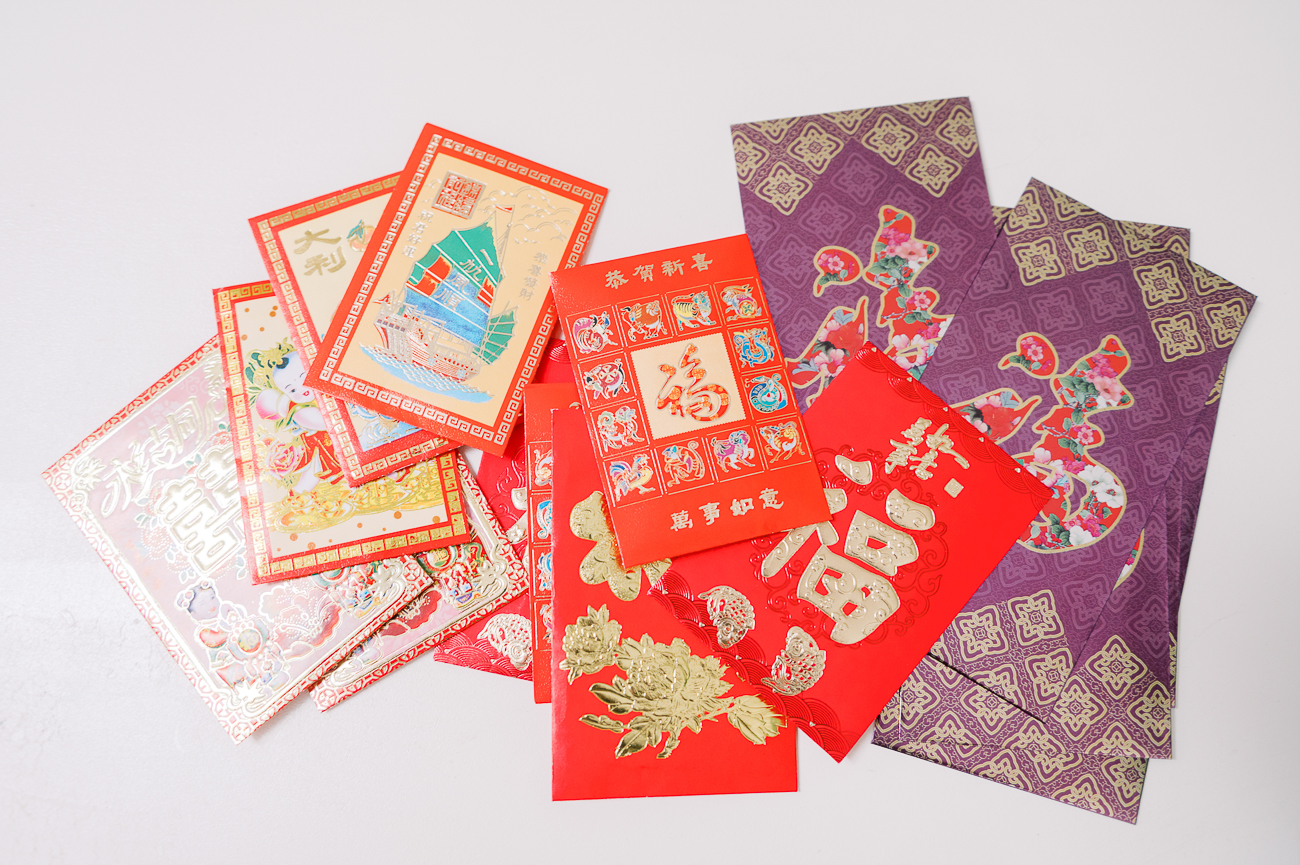
If you’d like to give someone a gift for their birthday, there are a few straightforward no-no’s to avoid. For kids, a simple red envelope of lucky money from adults and elders is a big bonus.
For everyone else, here are things to avoid according to Chinese traditions:
- No clocks. 送钟 (sòng zhōng) means “to give a clock.” It sounds like the Chinese words 送终 (sòngzhōng), which means “end” or “to bury a parent.” You’ll find a lot of these homonym-based superstitions across Chinese culture.
- No shoes. 送鞋 (sòng xié) sounds like 送邪 (sòng xié), or to give evil and/or misfortune. Not to mention, if you give someone shoes, there is a superstition that it will cause them to walk away from you and leave your life. There is a loophole, however, if you’ve given someone shoes or slippers before! The recipient must pay the giver a small amount of money in return (a dollar will do!), so it’s not technically a gift.
- No wallets. To give a wallet or purse (送钱包 – sòng qiánbāo) is not bad for the recipient per se, but it is bad for the giver. It symbolizes giving your wallet—i.e., your fortunes—away.
- No fish. As we all know, fish (鱼 – yú) sounds like the Chinese word 余 (yú), which means abundance, and you don’t want to give that away.
- Nothing related to water. The Chinese believe that water equals money and fortune, and it’s most prudent to keep that for yourself and your family. It may sound selfish, but this is just considered common sense according to Chinese traditions!
- No knives, scissors, or sharp objects, which symbolize that you want to sever your relationship with the recipient.
- No candles, (especially white candles), as they are used in memorials and ceremonial events for past loved ones and ancestors, making them very inauspicious.
It’s safest to give a red envelope of lucky money. You can set the amount you’re comfortable with!
I know this all seems like doom and gloom and may not have much of a spirit of generosity to it at first glance. So here is a list of positive symbols that can encourage happiness and longevity. Maybe this list can help you think of some creative gift ideas!
- Green bamboo is evergreen and strong. Consider a bamboo inspired gift or a plant!
- Pine and spruce are also evergreens and strong—perhaps something made with wood.
- Cranes are a celestial Chinese animal often depicted alongside the Chinese god of longevity. Art or a card featuring cranes will wish the recipient a long life and good health.
- Turtles live for hundreds of years and are another symbol of long life.
- The chinese word 寿 (shòu) has multiple meanings: life, longevity, birthday, vitality. People appreciate the character in art like prints, calligraphy, or needlework.
We hope this has been a useful review of Chinese birthday traditions. Let us know the birthday traditions you grew up with in the comments section! We’d love to make this post even more comprehensive and, I’m sure they will all be unique and fun to read!