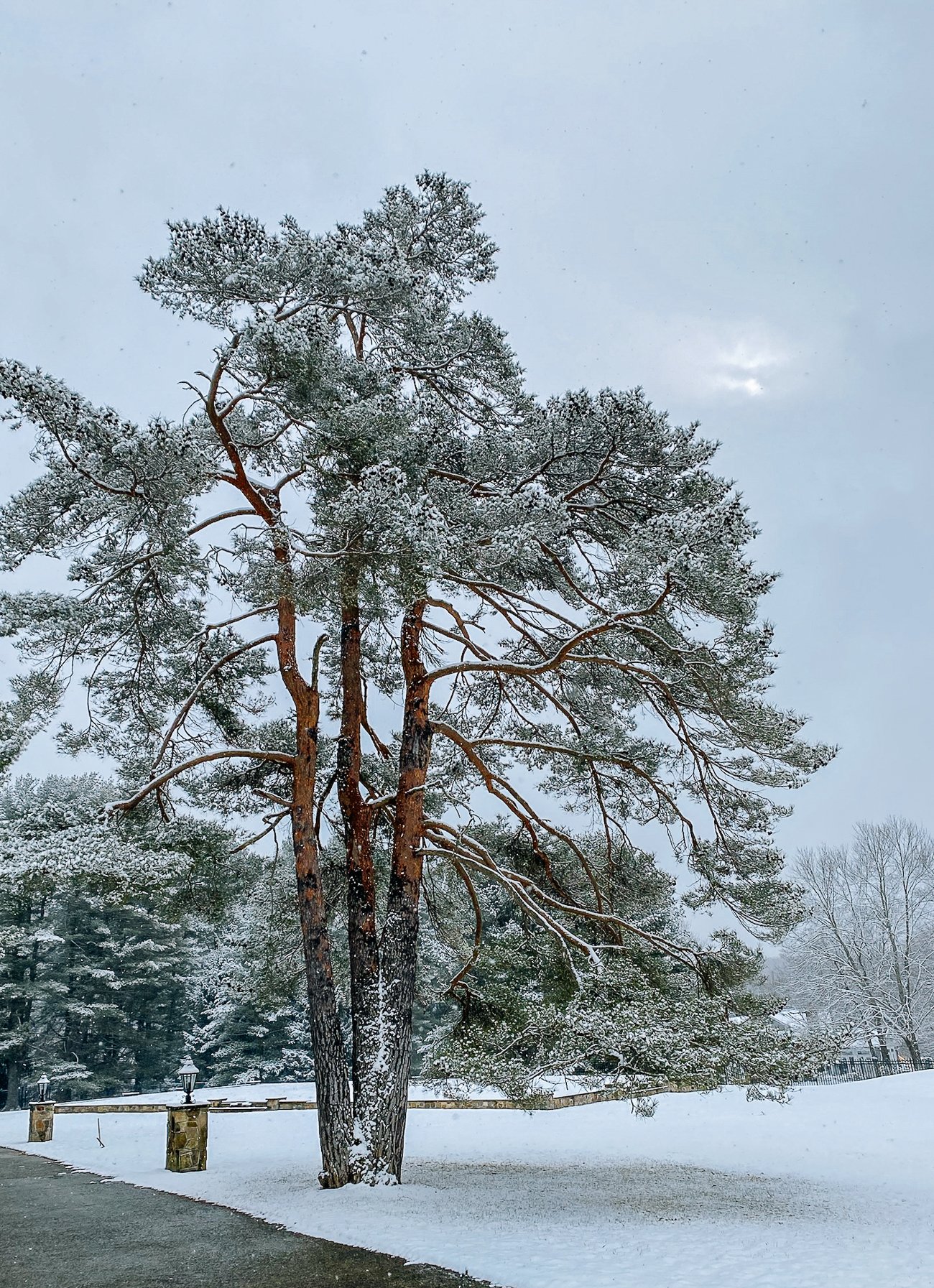
The Winter Solstice in Chinese is 冬至 (dōng zhì in Mandarin Chinese), which translates to “winter arrival.” As you may already know, it’s the shortest day of the year and the longest night. The Dongzhi Festival is an important Chinese holiday, but it’s sometimes forgotten—overshadowed by the Lunar New Year (AKA the Spring Festival). In the old days, it was celebrated as much as the new year!
The Winter Solstice marks a turning point in the annual calendar—a time when yin (cold, dark) energy transitions to yang (light, positive) energy as the days begin to get longer again.
When is the Winter Solstice (Dongzhi)?
The Winter Solstice (and the Chinese Winter Solstice Festival) usually falls between the 21st to the 23rd of December.
Many of us know it as the longest night of the year, with the shortest daytime in the Northern Hemisphere. But you may not have realized that it’s been an important Chinese holiday for 2000 years.
It was first celebrated during the Zhou Dynasty, but became an official holiday during the Han Dynasty, which lasted from 206 B.C. to 220 A.D!
If you ask the older generations—like my mother—they still celebrate the winter festival of Dongzhi. It’s the younger generations that are increasingly unaware of this big holiday.
But the old saying goes, “冬至大如年,” (Dōngzhì dà rú nián) which means “the winter solstice is as big as the new year.” So how did people forget about it?
My theory is that as Chinese people emigrated abroad, The Dongzhi Festival perhaps wasn’t as exciting as holidays like Christmas and New Year’s Eve. Or perhaps it’s due to Dongzhi’s proximity to the Lunar New Year (which usually happens within 1-2 months, from January 21st to February 20th).
Because Lunar New Year is the biggest Chinese festival of the year, with people traveling long distances to spend time with family, Dongzhi may be taking a backseat!
Not to mention that we’ve lost traditions as the older generations pass on and folks stop talking about Dongzhi. Hopefully, I can help preserve some of this holiday for younger folks today who may not be as familiar with it!
How Do People Celebrate the Chinese Winter Solstice?
The Dongzhi Festival is closely tied to the concept of yin and yang, fundamental principles in Chinese philosophy. Yin represents darkness, cold, and inactivity, while yang symbolizes light, warmth, and activity.
The winter solstice marks the point when yin forces are at their peak, but also the moment when they begin to give way to yang energy. This transition was seen as a time of renewal and hope, symbolizing the natural cycle of life.
In the past, when more people celebrated Dongzhi, all government offices and facilities closed for 5-7 days. Shops and businesses closed as well, in order to allow people to properly rest and celebrate the holiday with family. It was very much like what we do with Chinese New Year today.
During the winter solstice, people also worship their ancestors and their protective gods and goddesses.
When there were still emperors, the royal court officials paid tribute to the gods in heaven for peace, protection, health, well-being, and auspicious times (吉时 or jí shí) for a prosperous new year. Also, like Chinese New Year, people visit family and friends with good wishes and blessings.
What foods should we eat during The Dongzhi Festival?
The most well-known traditions around Dongzhi consist of the popular dishes consumed at that time. Generally, Northerners eat dumplings, and Southerners enjoy tang yuan (glutinous rice balls—also sometimes called glutinous rice dumplings—both sweet and savory).

Northern vs. Southern China
To know whether your family is from Northern China or Southern China, just look at a map of China and locate your family’s hometown relative to the Yangtze River.
The Yangtze is the third longest river in the world, and the longest river that flows entirely through one country. It’s known in Chinese as 长江 (chángjiāng), or “long river.” Hence, it’s the best point of orientation: Northerners are above the Yangtze River. All the states below Yangtze River are southern—jiāngnán, 江南, or “south of the river.”
There are also many, many local traditions. Here are just a few:
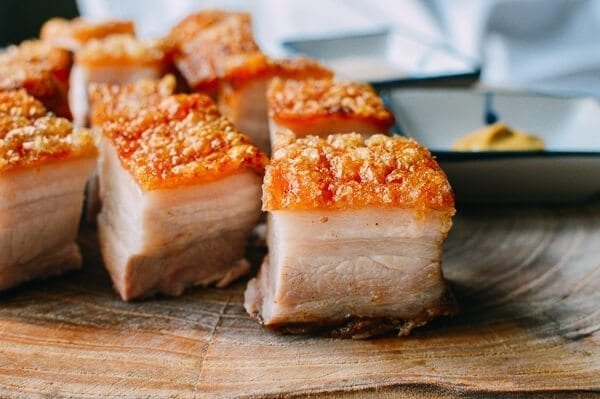
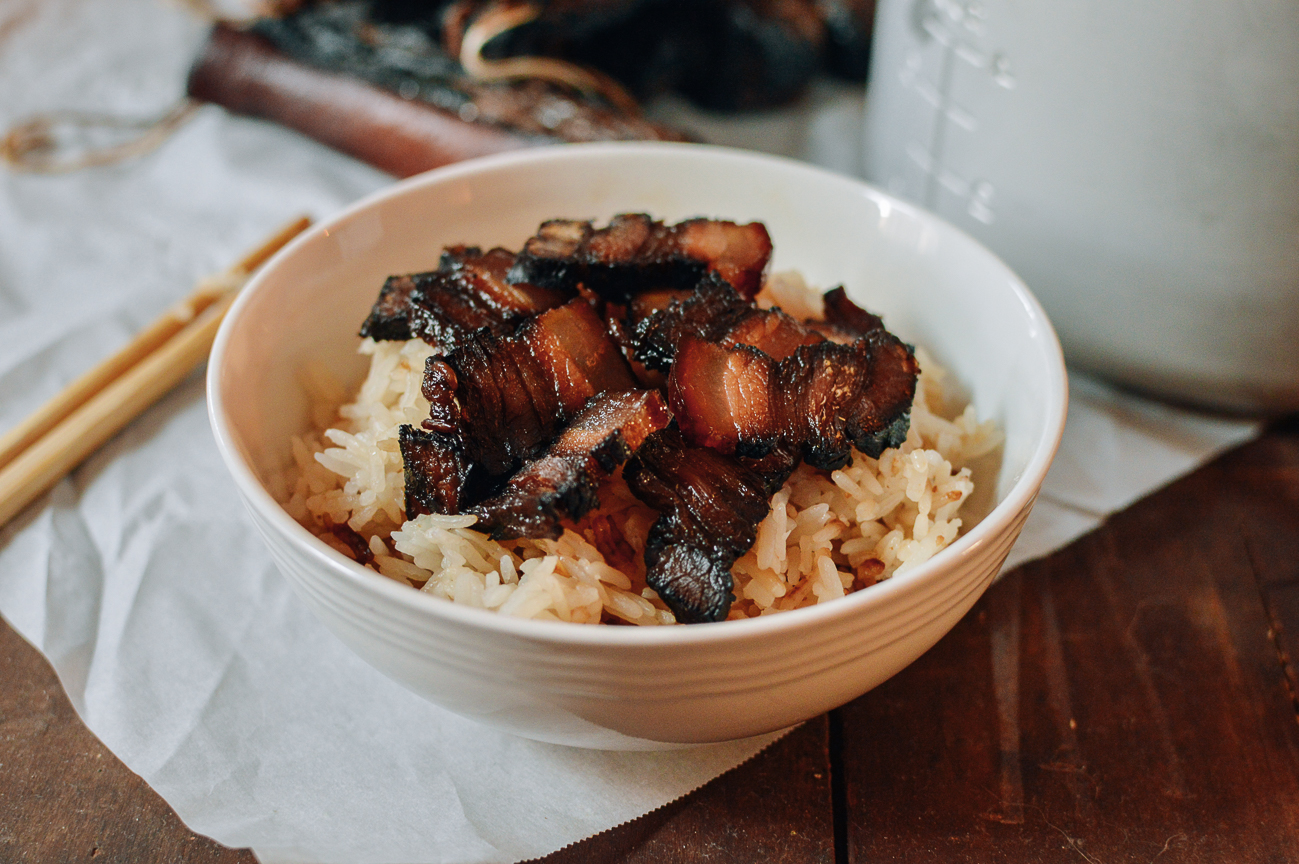
- Cantonese people like to have a large family meal with roasted meats and preserved meats like lap yuk and lap cheung after remembering their ancestors. Try our Cantonese Roast Pork Belly, Chinese BBQ Pork (Char Siu), and Cantonese Roast Duck recipes!
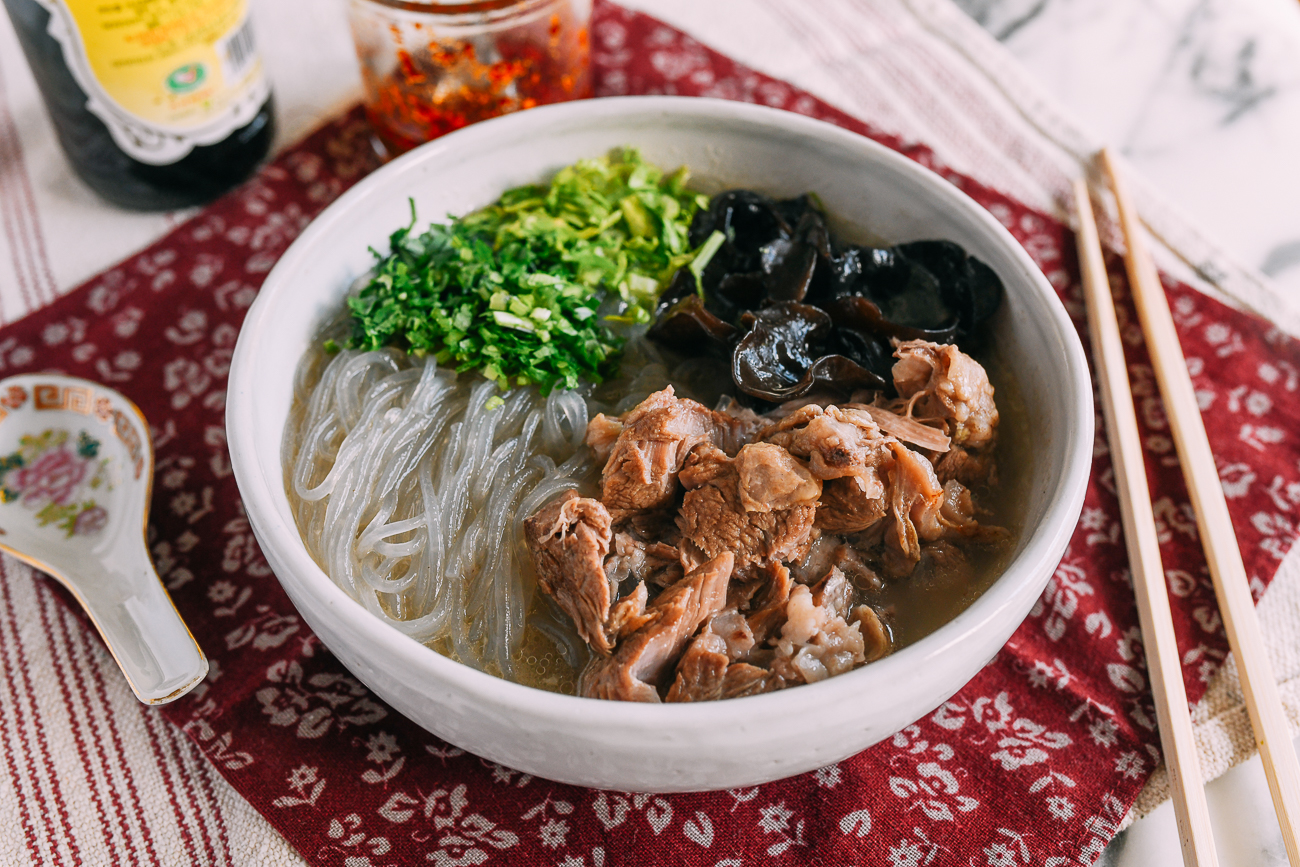
- For Northwest states like Xinjiang and Mongolia, a hot bowl of lamb or mutton soup is a must for this holiday. (You can try our Xi’an style lamb shank noodle soup!)
- Also in Northern China, you’ll find dumplings, particularly shuǐjiǎo (水饺), or boiled dumplings. Try our Boiled Beef Dumplings and our Pork & Fish Dumplings! You can also check out our full list of dumpling filling recipes!
- Sticky rice/sweet rice is also a big food item for the winter, as Chinese people believe it warms your insides. Festive desserts like sticky rice with red beans and sticky rice mochi are very common.
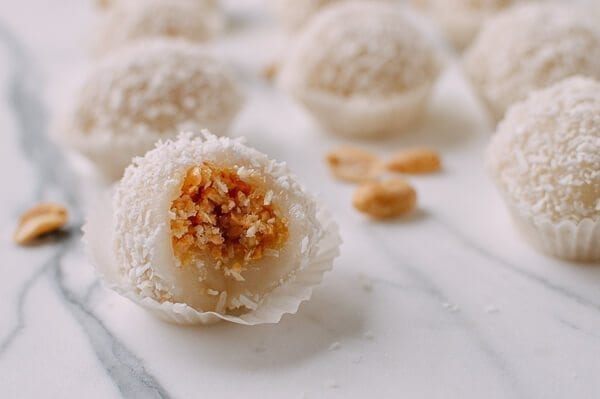
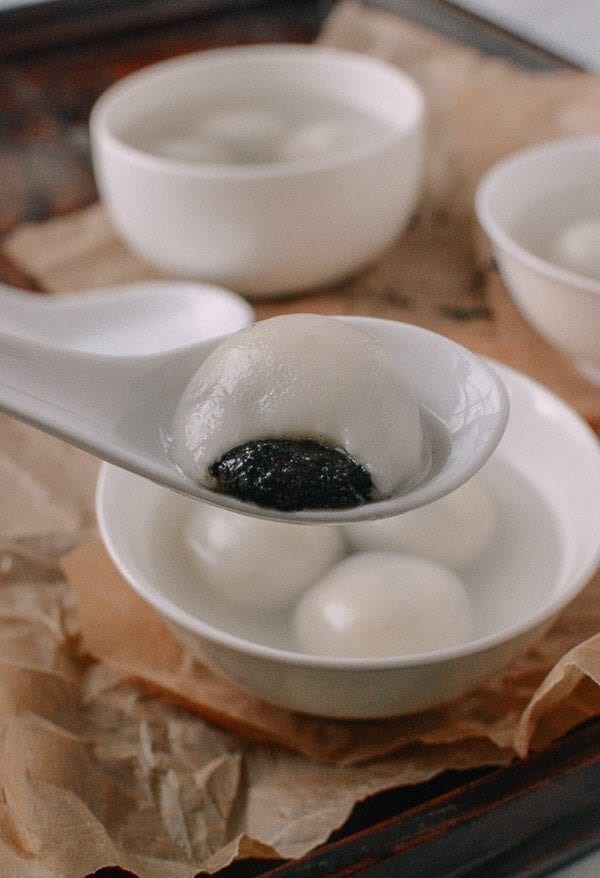
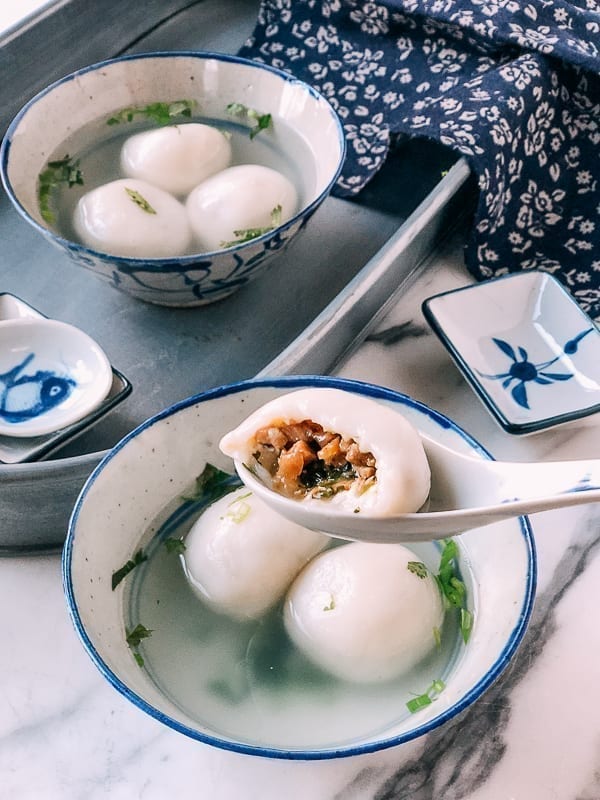
- As for tangyuan, people in the Zhejiang area like them with sweet with fillings like black sesame, peanuts, and red bean paste. Many in Southern China like savory fillings. As long as they are round (representing reunion), the filling can be whatever you like!
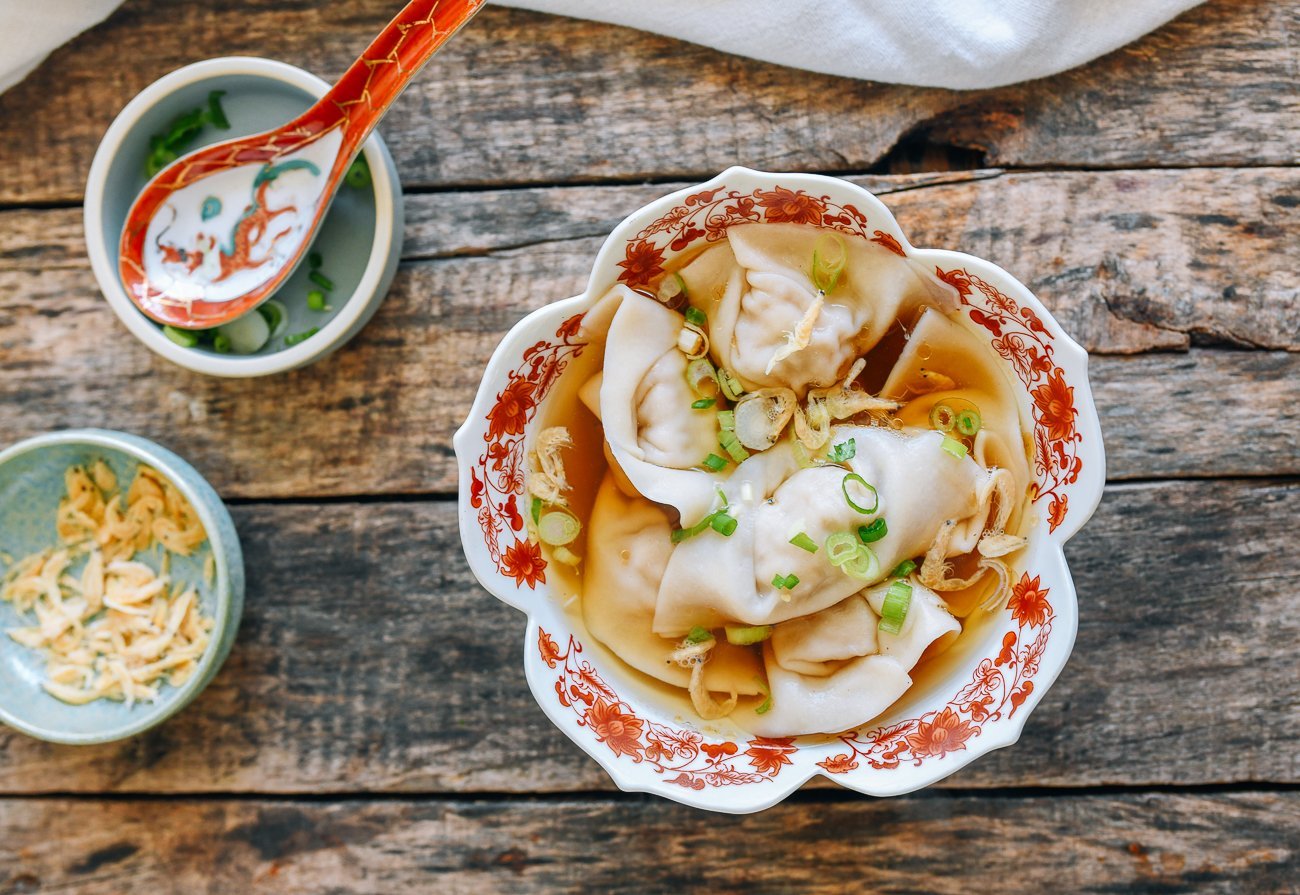
- Wontons are also a very popular winter solstice food in the Zhejiang and Jiangsu provinces. It is said that wontons were invented on the winter solstice, so this tradition has been carried forward. It is said they help you wrap up all of your troubles and get rid of them!
- Cakes made with wheat flour and rice flour are also very popular. Many sweet cakes and rice cakes (sweet or savory) end with “gao” in Mandarin, which means progress and advancement. This auspicious sounding word will always have a place at Chinese holiday celebrations!
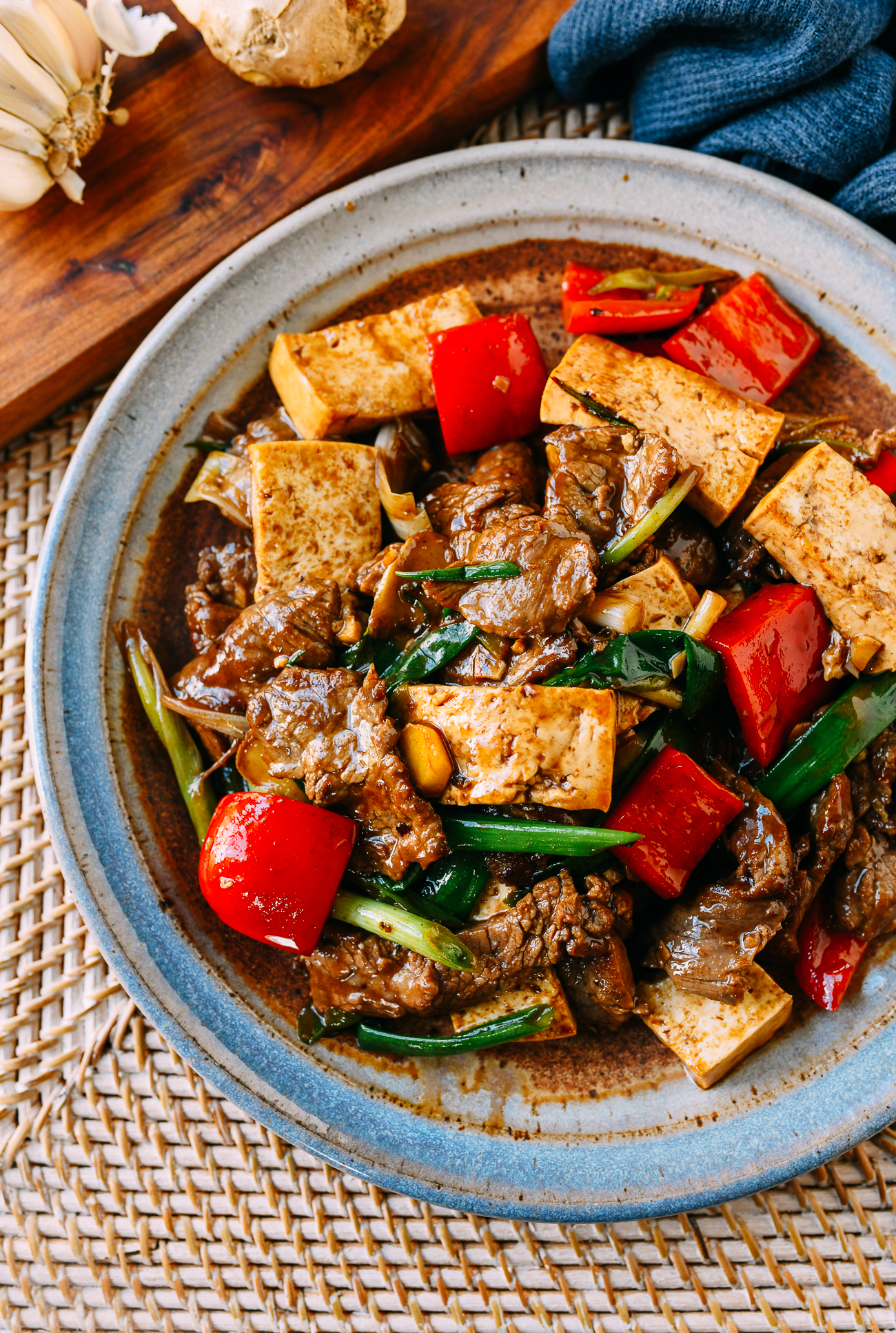
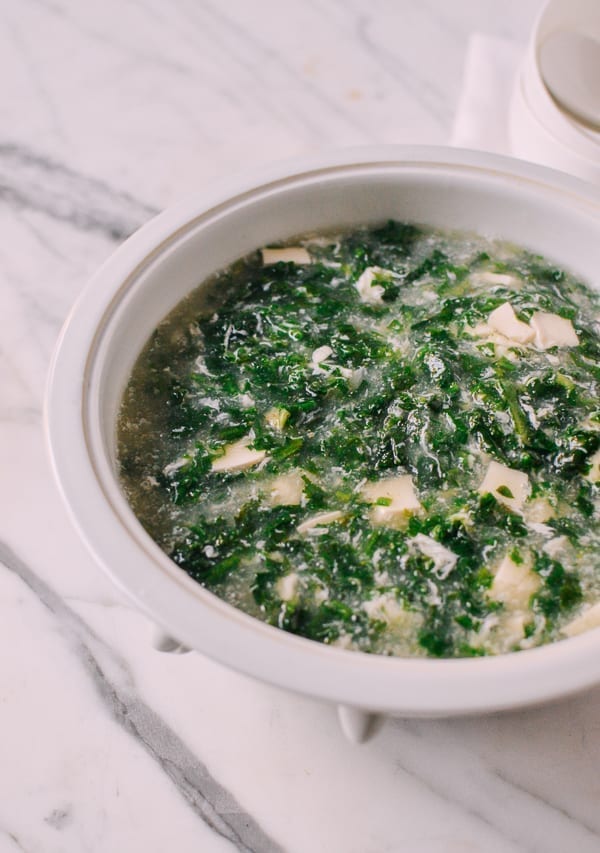
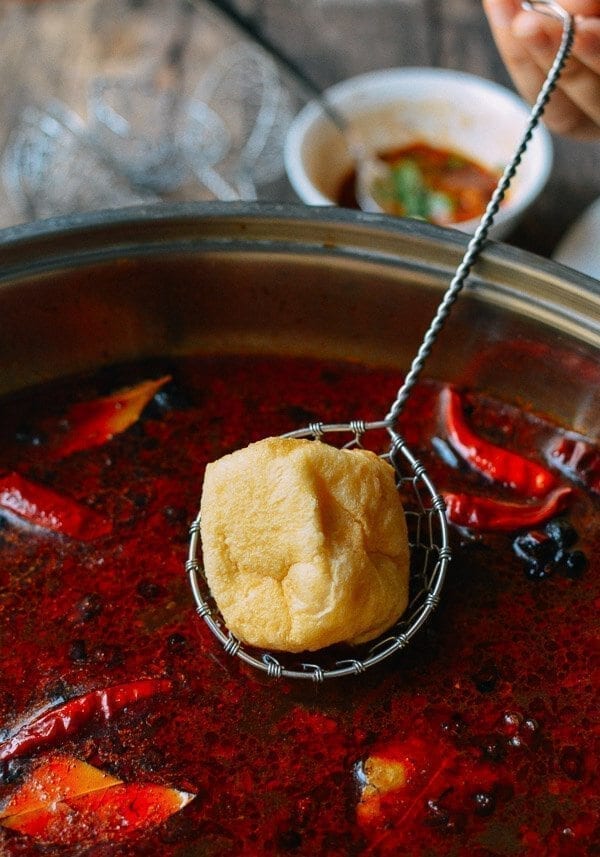
- Believe it or not, tofu is a popular food in the wintertime—in soups and hot pots. People like to associate hot tofu with family harmony and happiness.
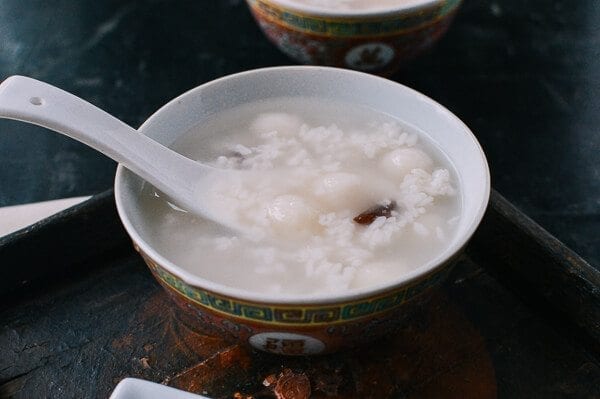
- Last but not least is sweet rice wine, or jiu niang. You can’t celebrate without it! Many Chinese families love jiu niang, and the whole family can eat it. It is more of a porridge, and it’s low in alcohol content. Sweetness is also representative of everyone’s wish for their family’s happiness, joy, and harmony!
We hope you enjoyed this post about The Dongzhi Festival, however you decide to celebrate! Happy Winter Solstice! 冬至快乐!