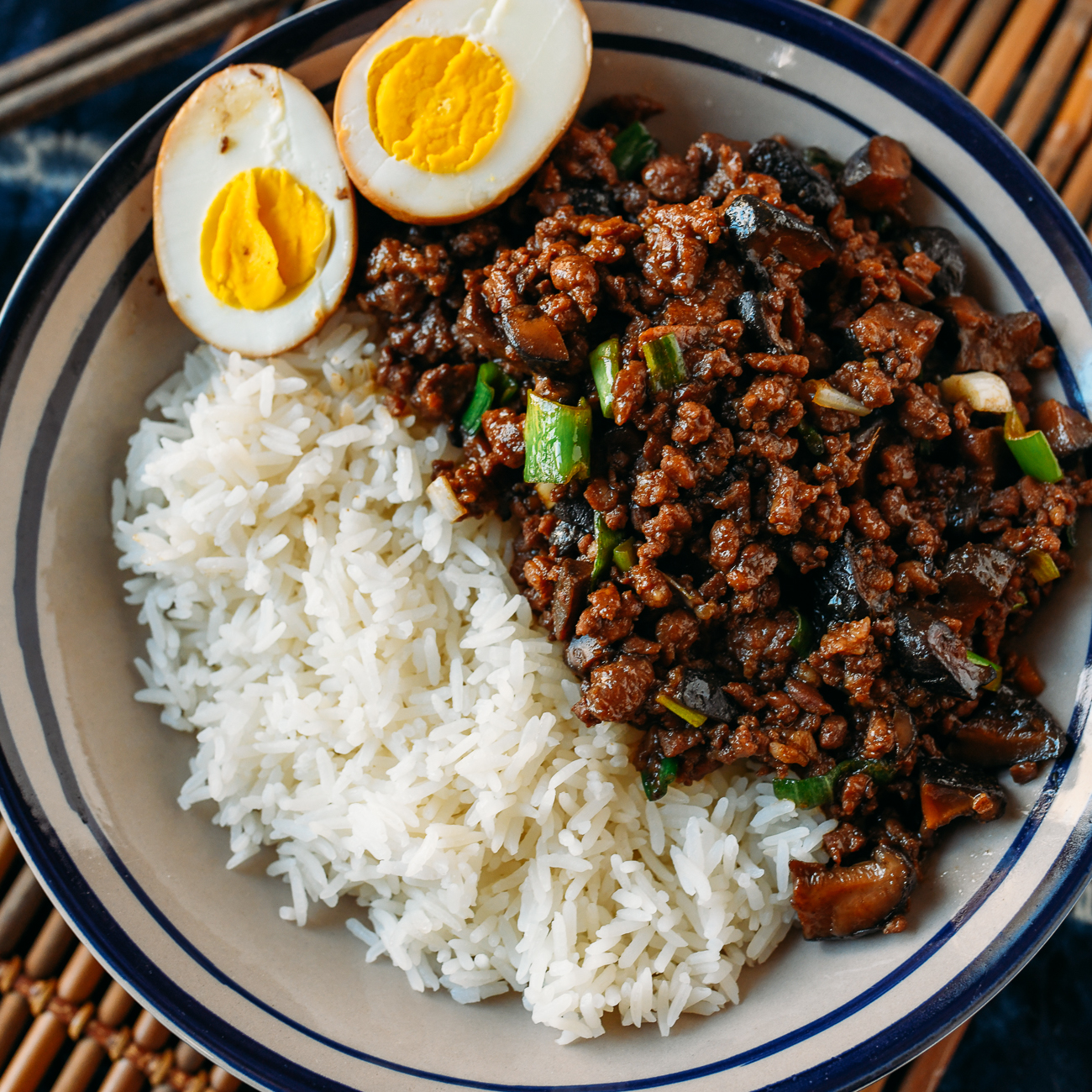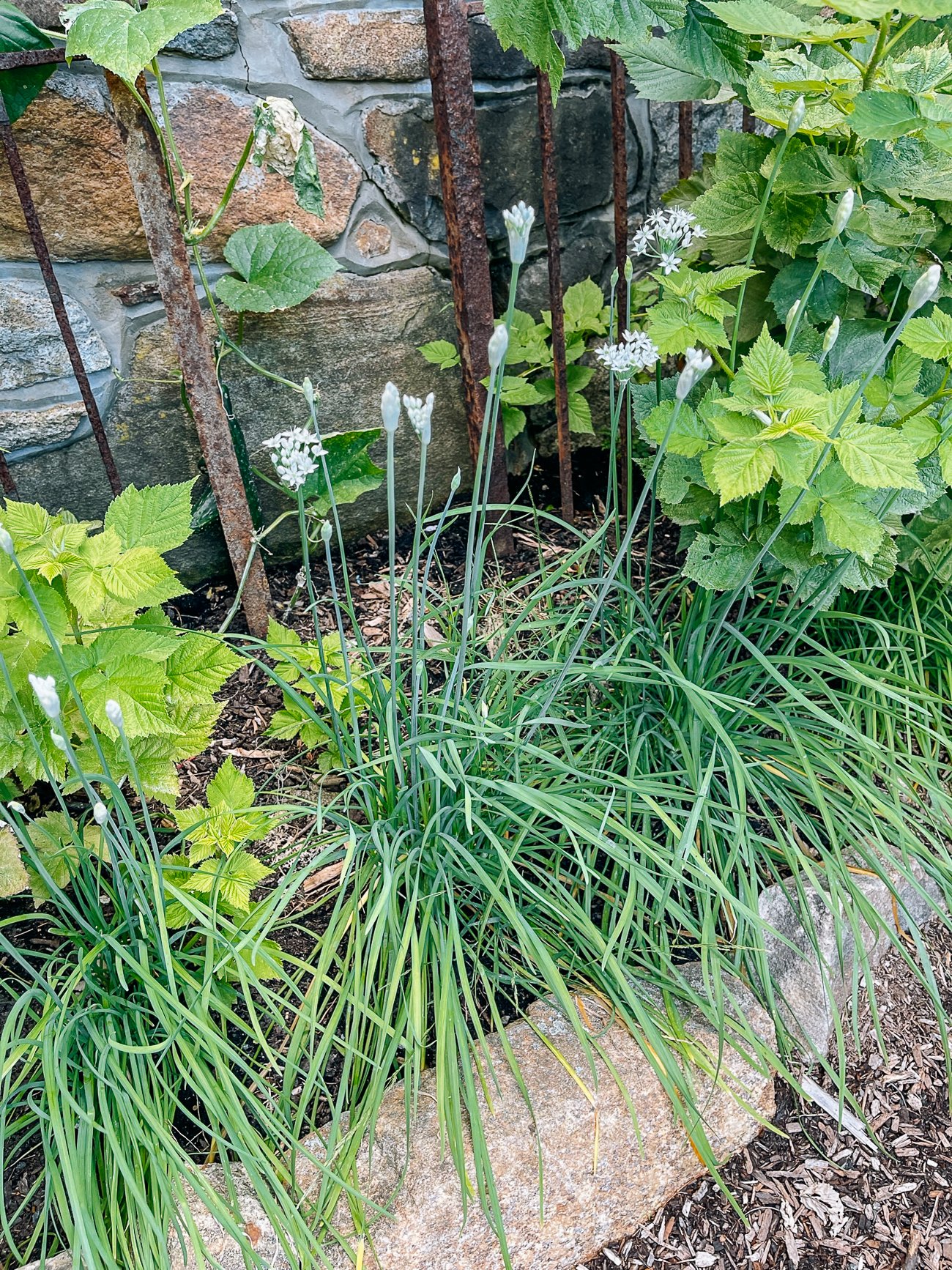
I can’t believe we’re already at the fifth installment of our How to Grow Chinese Vegetables series! We’ll be talking about how to grow garlic chives, a Chinese perennial herb that’s perhaps one of the easiest things to grow in your garden.
This series is a collaboration between us and Choy Division, a regenerative Asian produce farm in upstate New York. See our previous posts on growing bok choy, napa cabbage, Chinese eggplant, and chilies if you missed them!
In our experience, garlic chives, or allium tuberosum, are kind of like grass. They come back every spring, and they just keep growing after you cut them. While they’re technically an “herb,” they are used in Chinese cooking more like a vegetable—in larger quantities! We’ve grown them every year for as long as I can remember.
What Are Garlic Chives?
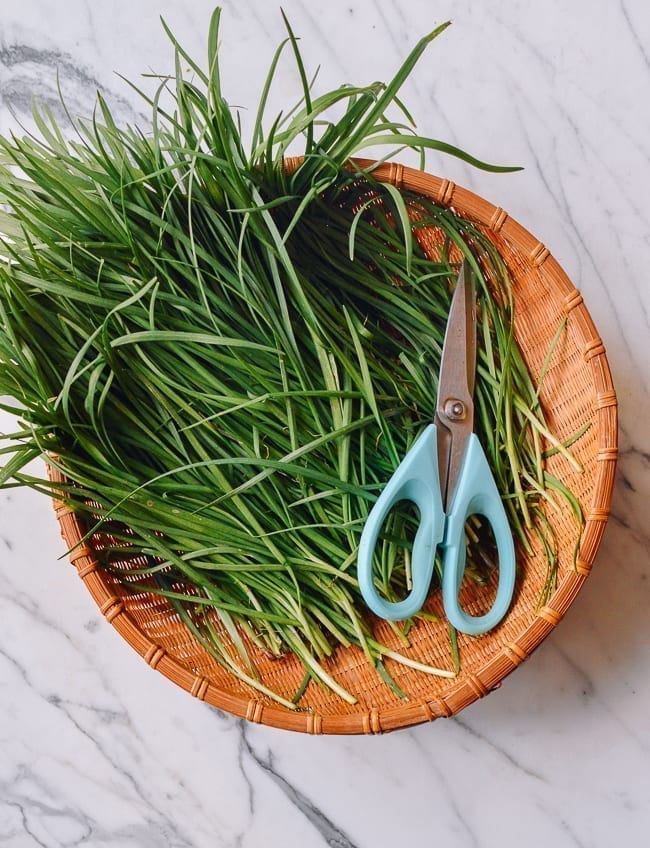
If you’re not familiar with garlic chives, also known as Chinese chives, they are a clump-forming perennial herb/vegetable. While regular chives are thin, tubular, and have a strong onion flavor, garlic chive leaves are flat and wide, with a—you guessed it—distinctly garlicky flavor.
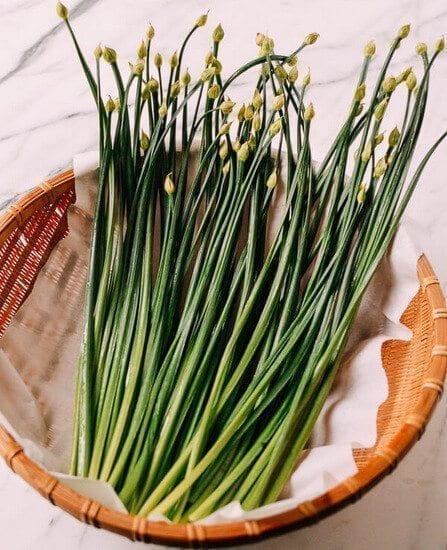
The chive leaves, stems, and flowers are all edible. The flowering stems, normally sold with a tight, unopened flower bud at the top, are a seasonal specialty. They have a firmer, crisper texture than the leaves, making them ideal for stir-frying.
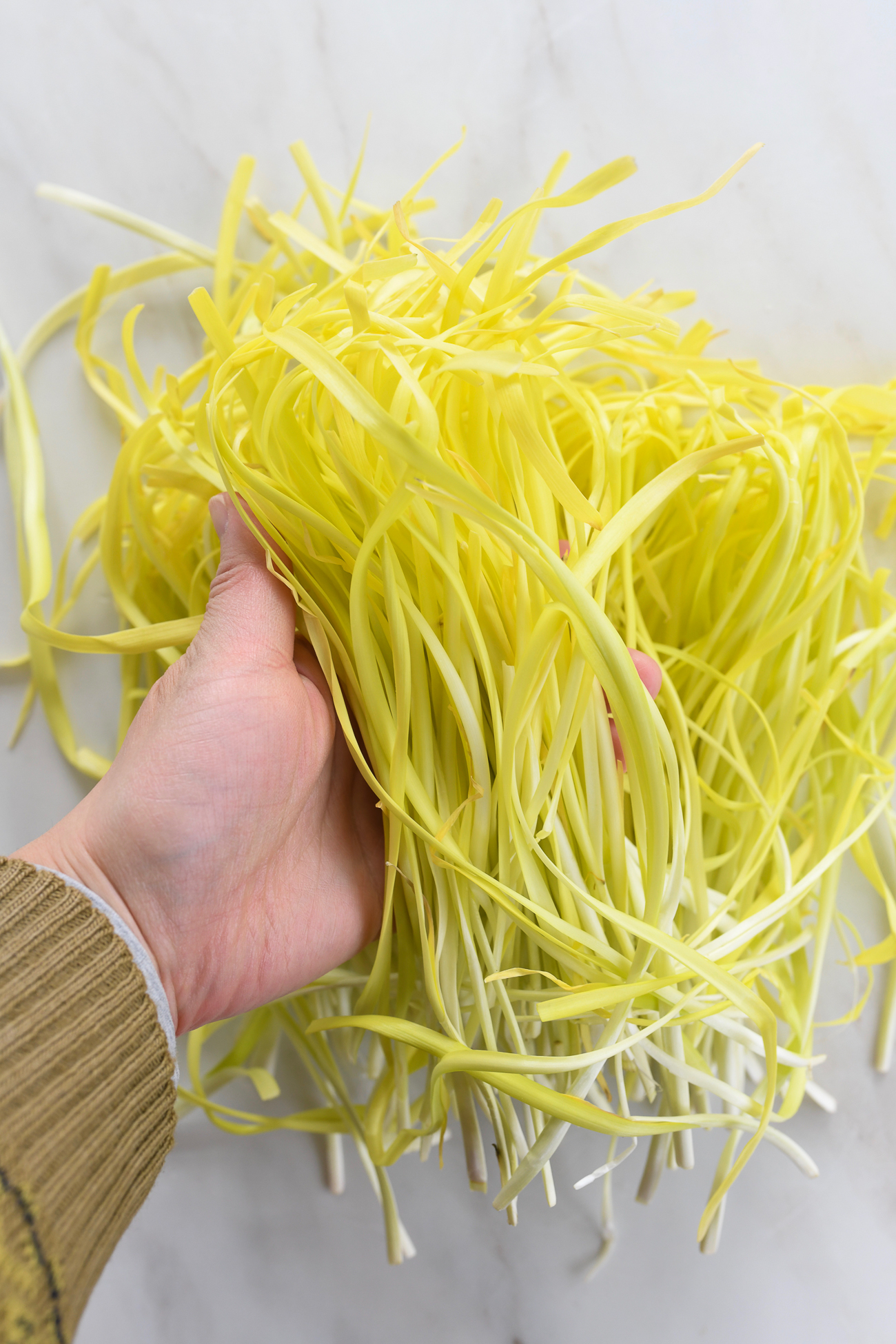
You may also encounter yellow Chinese chives, which are the same plant, but grown without direct sunlight. These chives are prized for their tender texture and more delicate flavor.
In the late summer and early fall, the plant flowers, attracting bees and other pollinators. The flowers are actually quite beautiful, which is why this plant is sometimes grown as an ornamental outside of Asia.
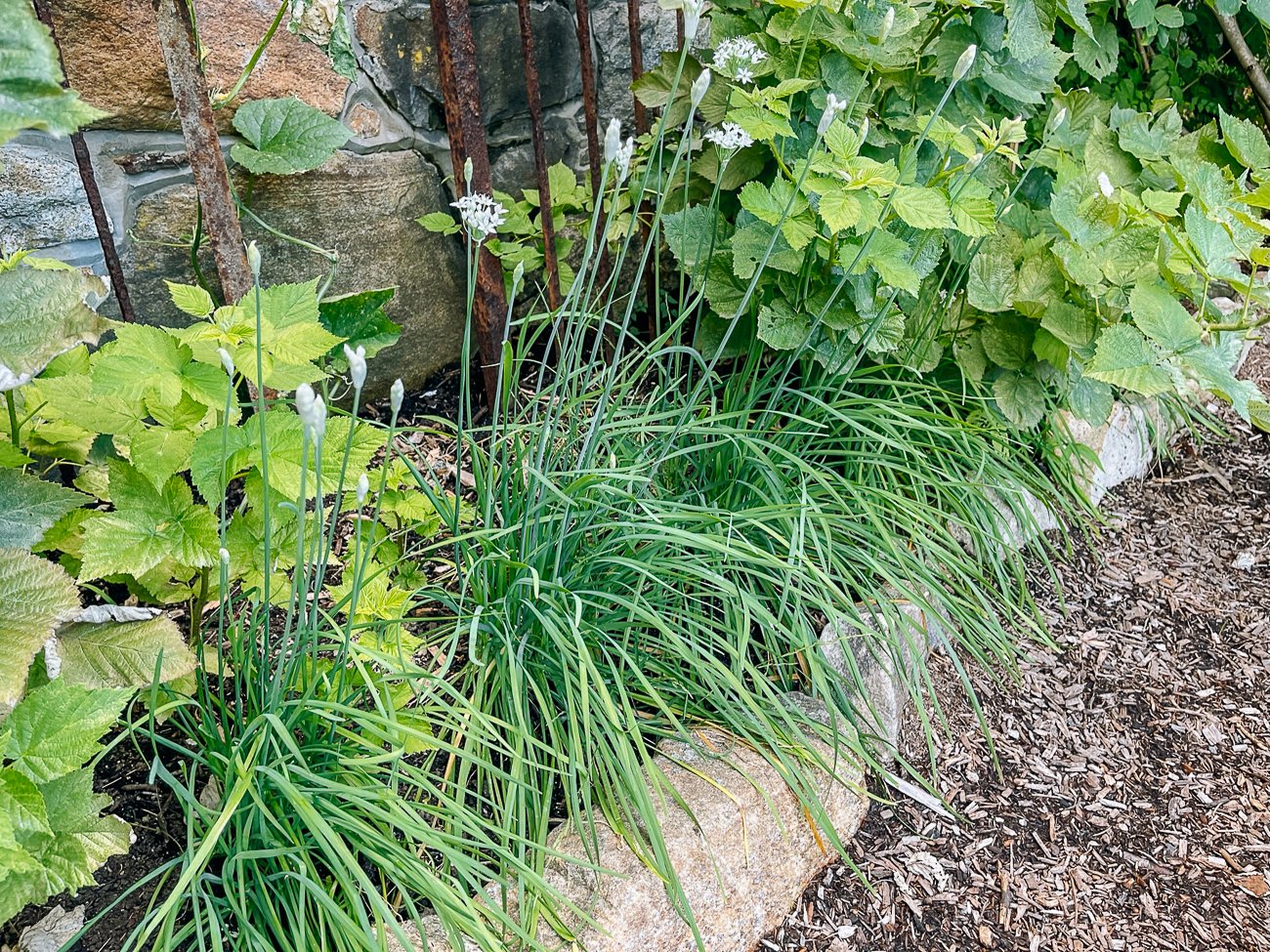
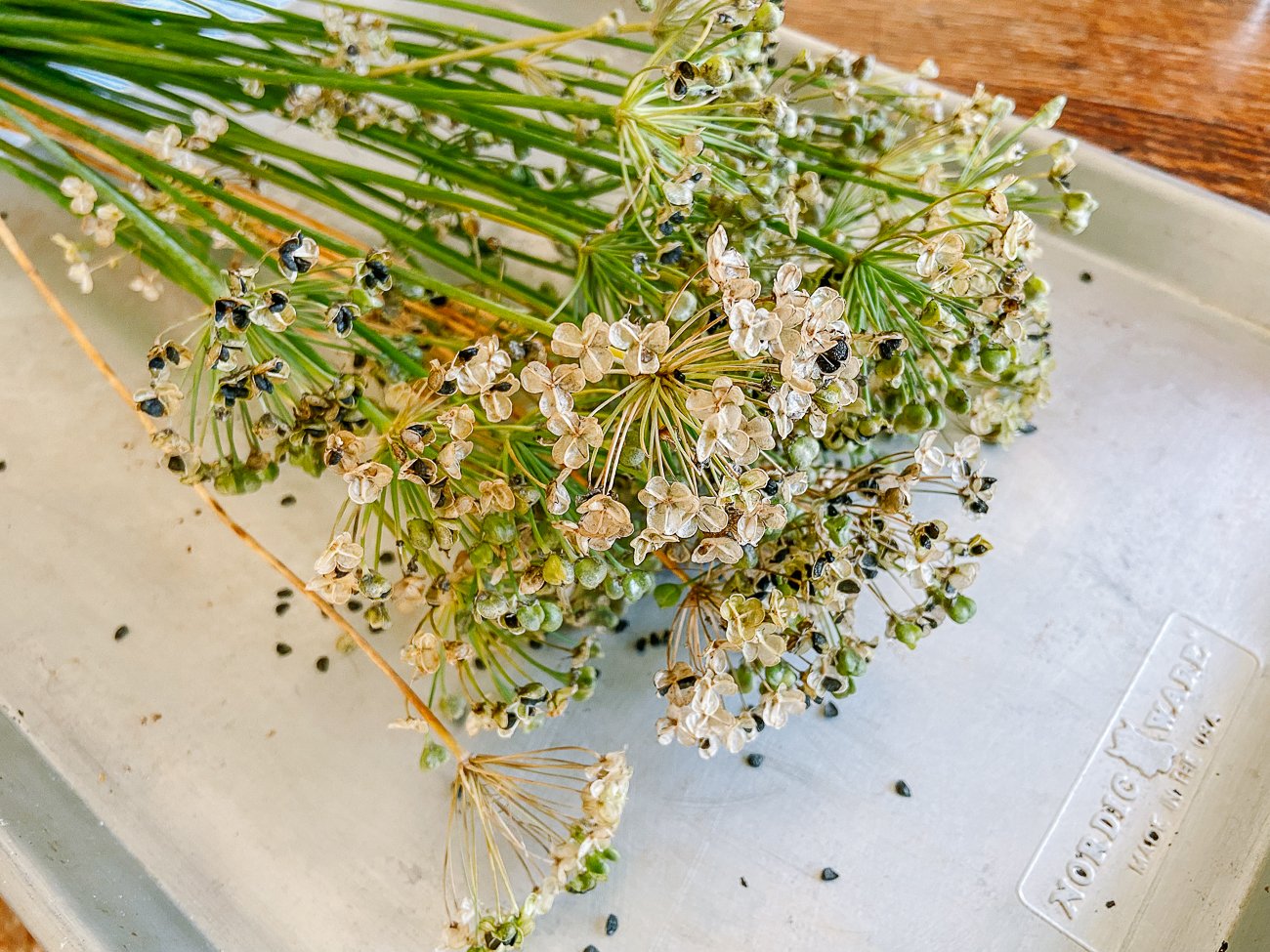
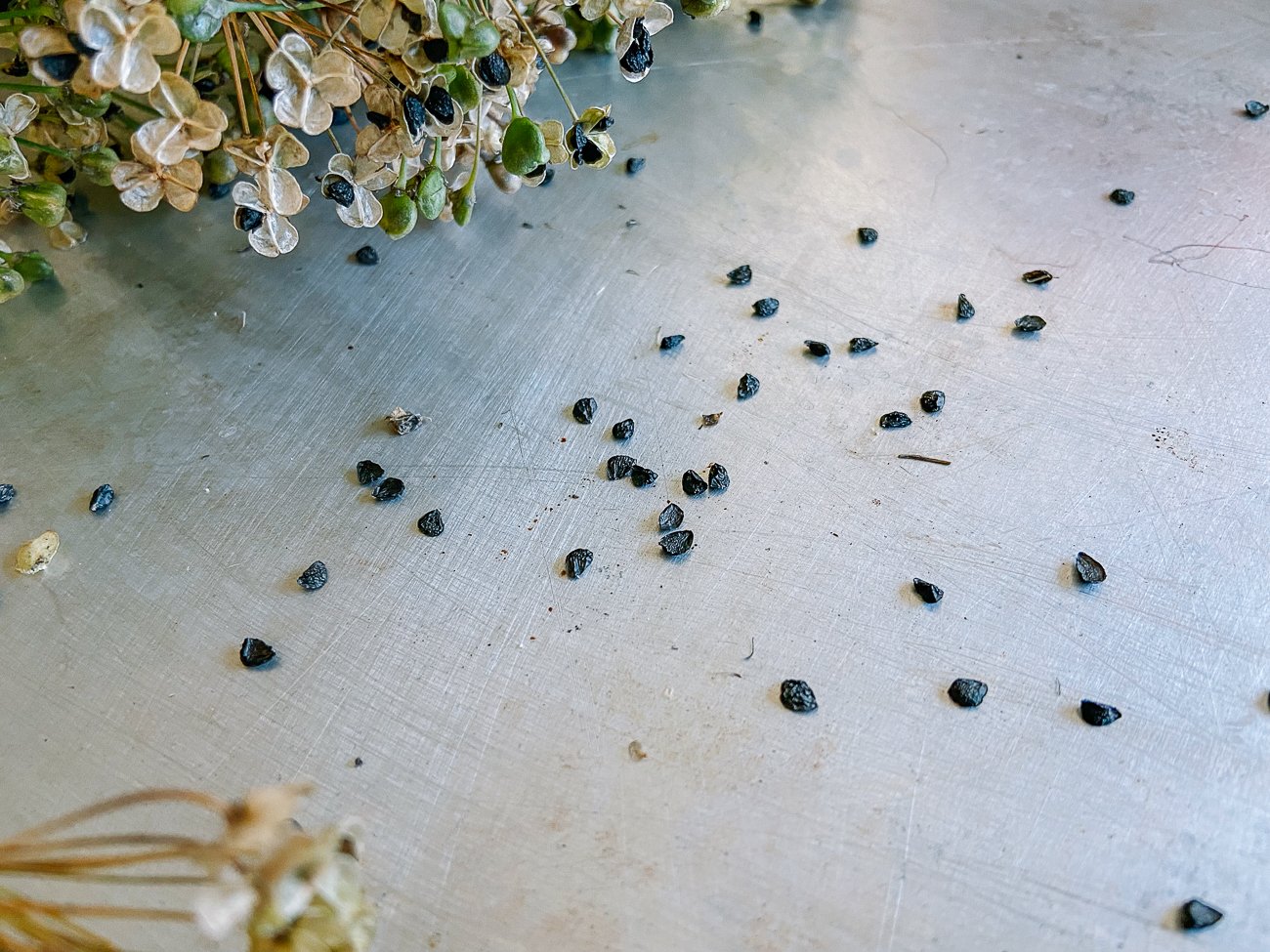
The plant then goes to seed in the fall. The seed heads can be gathered and dried, and then you can collect the seeds to grow more plants. To prevent the plant from spreading, snip off the seed heads before they’ve fully ripened.
In the winter, the leaves and stalks will die back completely to the ground, like all herbaceous perennials. The roots or rhizomes in the ground will remain dormant, and send up new sprouts in spring.
Native to Shanxi province in China, Chinese chives have since been naturalized in other parts of Asia. You’ll also find them in the cuisines of Thailand, Northern India, Korea, Japan, Vietnam, Kazakhstan, and Kyrgyzstan.
They have been widely cultivated in East Asia for centuries. The Chinese have been growing and eating garlic chives for three millennia, going back to the Chou dynasty (1027 B.C. to 256 B.C.).
It grows so readily and sprouts so easily from seed that it has been considered invasive in some parts of Europe!
Why Grow Garlic Chives in Your Garden
We use Chinese chives a lot in our cooking, from quick stir-fries, to dumpling fillings, to noodle dishes.
We love growing them in our garden, not only because we use them regularly, but also because they’re so easy to grow! When we moved to a new house, we actually dug up some of our garlic chives and re-planted them in our new garden.
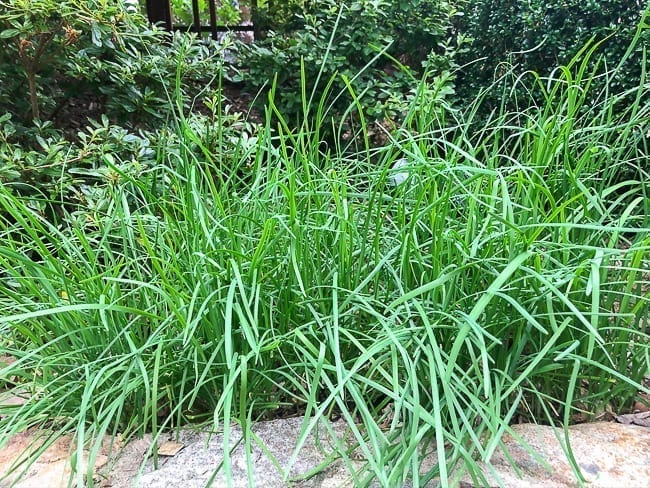
They’re a frost tolerant perennial. Once established, there’s really nothing you need to do in ensuing years except replenish the soil with organic matter.
Garlic chives are also one of the earliest spring vegetables to emerge in the Northeast, harvested as early as March/April when they are tender. If you have a few clumps in your garden, you can supply your kitchen with garlic chives throughout the spring, summer, and fall. If you live in a warmer climate, you can harvest chives all year round!
They are also a cut and come again crop. Cut them about 1-inch above ground level, and they’ll simply grow back!
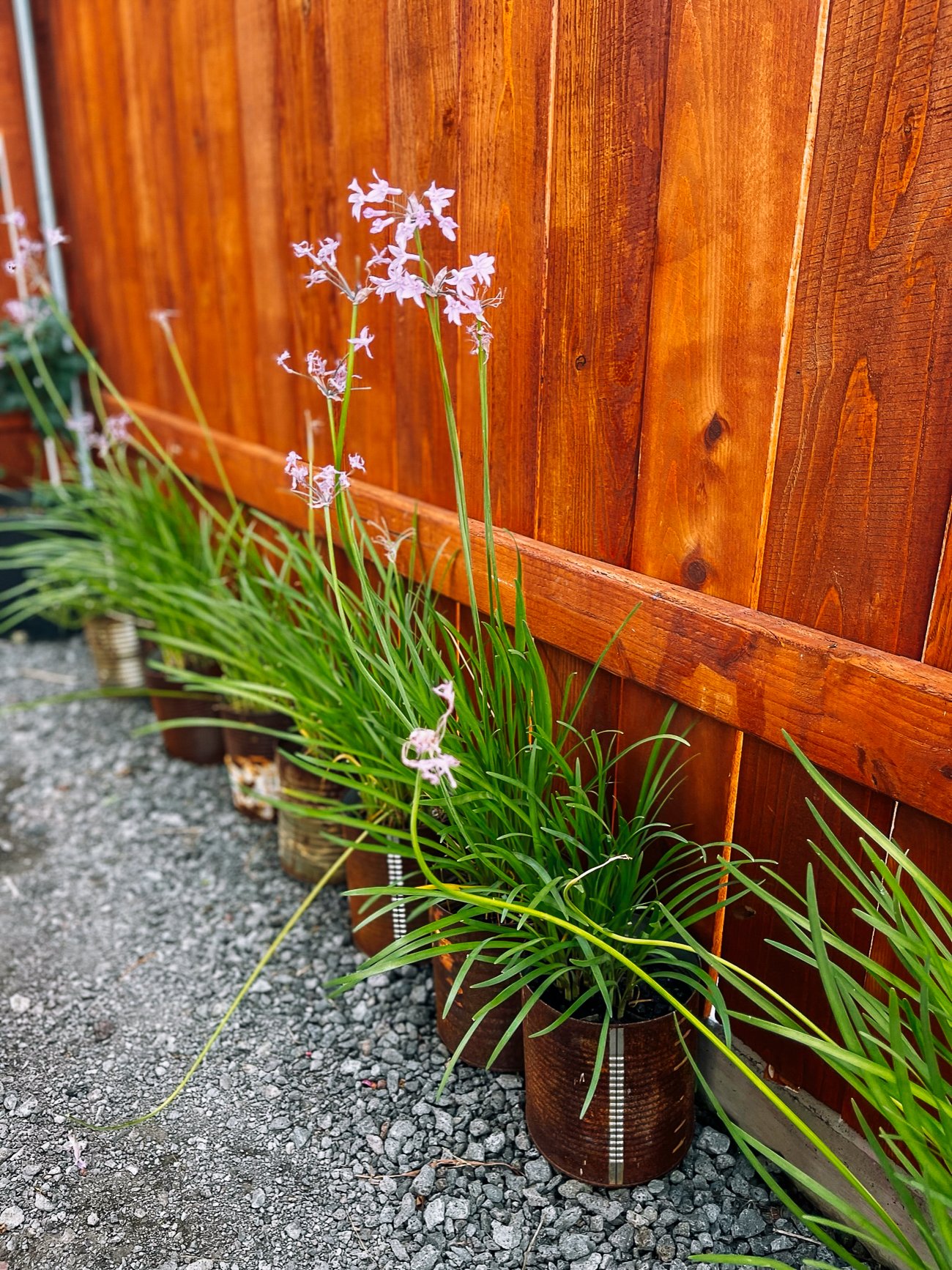
If you don’t have an outdoor space, garlic chives are also great for container growing. Justin and I have a pot of garlic chives that we took from a divided clump at my aunt’s house. It’s sitting in the sun on our fire escape, and it’s on its third year of growth already.
If growing in a container, just make sure to replenish the soil. Re-pot with fresh compost and perhaps use an organic fertilizer like liquid seaweed.
Garlic Chive Recipes
So all that is well and good, but now it’s time to show you what you can actually make with garlic chives!
Let’s go over those different types of garlic chives again. There are three, each with different uses—though they all come from the same plant!
- Standard Garlic Chives (韭菜 – gau choy in Cantonese or jiǔcài in Mandarin): These are the broad, green, flat leaves of the plant. They’re the most widely available in Chinese grocery stores and what you’ll harvest most if you grow them yourself.
- Flowering Chive Stems (韭菜苔 – gau choy fa in Cantonese or jiǔcài tái in Mandarin): These are the flowering stems of the chive plant, which usually emerge in late summer. They are hollow, with a crisp texture ideal for stir-frying. Harvest these when the flower buds are still small and haven’t yet opened. If you wait longer than that, they’ll be tough! Some cooks also like to snip off the unopened flower buds to add them to recipes.
- Yellow Garlic Chives (韭黄 – gau wong in Cantonese or jiǔhuáng in Mandarin): These are garlic chives that have been grown without direct sunlight. They have light yellow/white leaves that are very tender and more subtle in flavor.
One classic and well-known recipe that uses a TON of chive is Pork and Chive Dumplings. My mom has recently been experimenting with improvements to this recipe, and it’s a classic for a reason. We’ve been eating a lot of them lately, and never get tired of them!

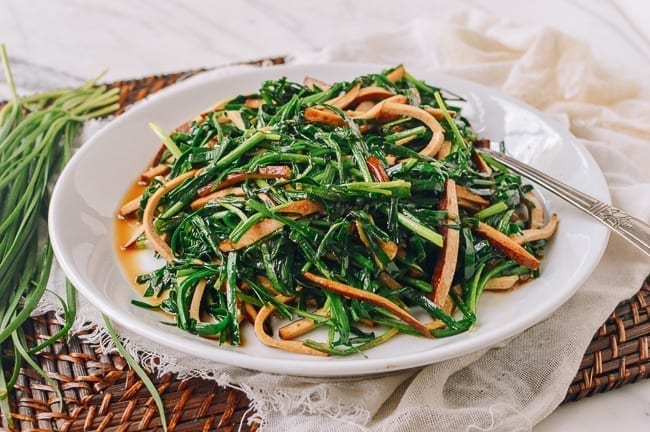
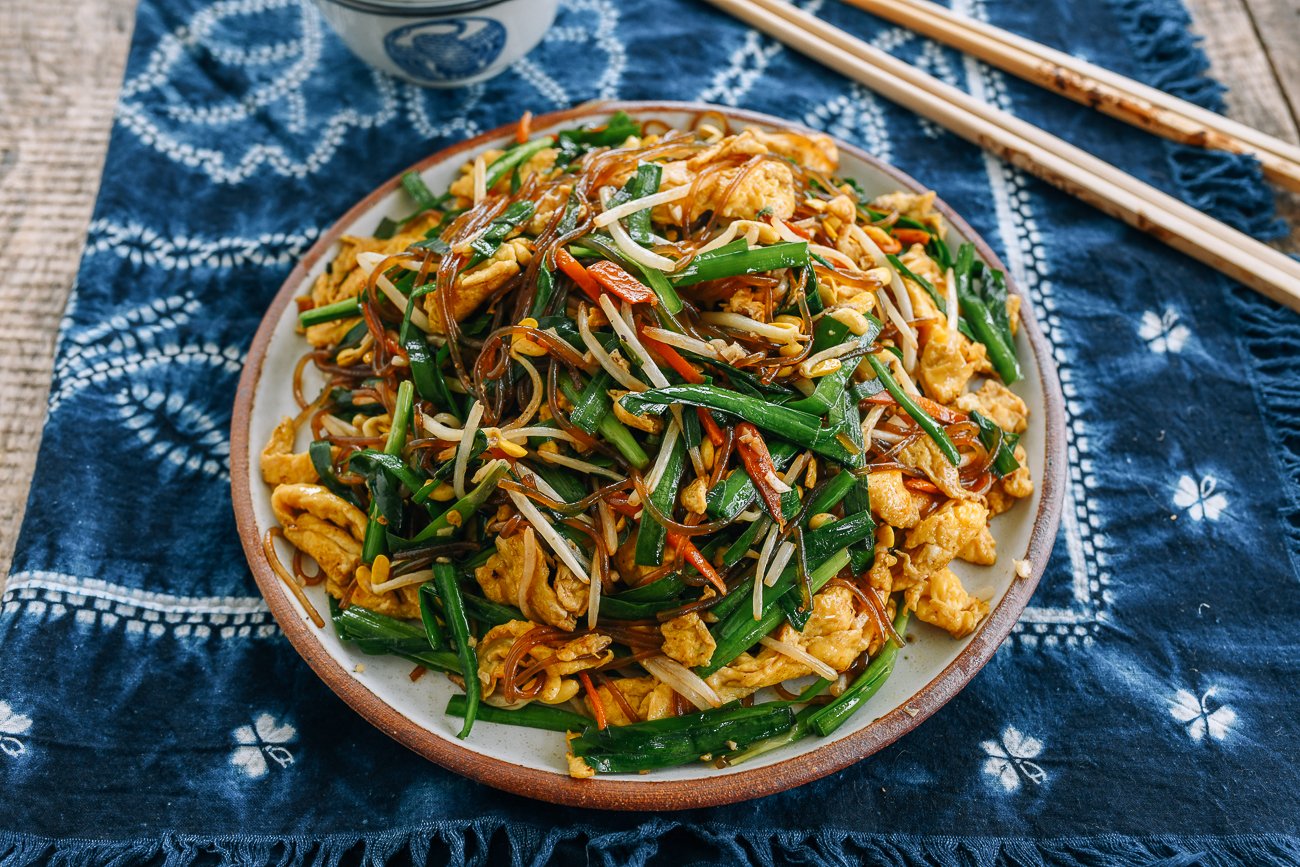
We also regularly make Scrambled Eggs with Chinese Chives, as well as a similar vegan Chive Stir-fry with Pressed Tofu.

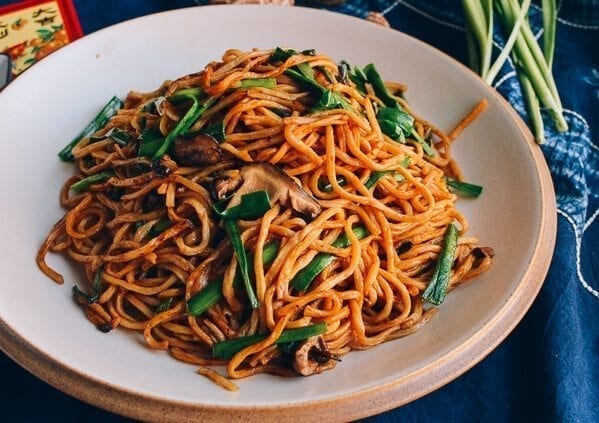
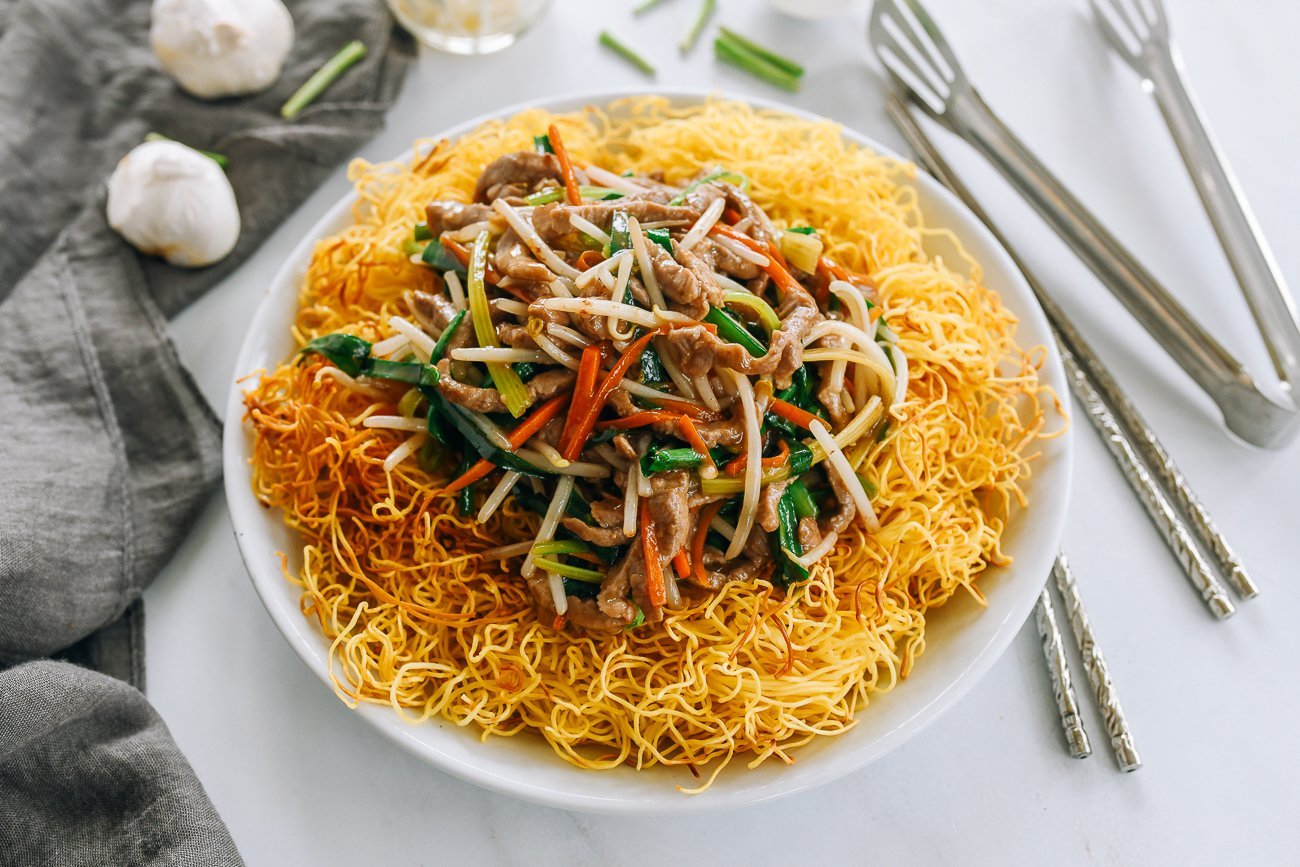
You’ll also see them in noodle dishes like our Long Life Noodles (Yi Mein), Harmony Stir-fry (Chao Hecai), or Shredded Pork Pan-fried Noodles.
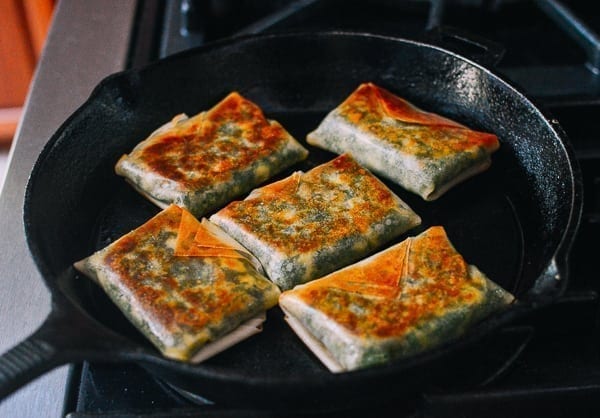
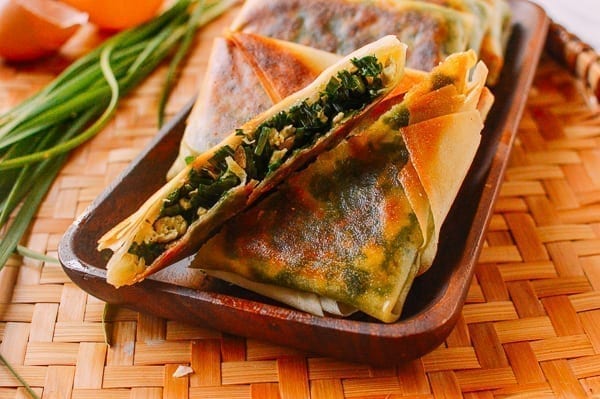
Another famous garlic chive item is Chive Boxes (Jiucai Hezi), which are crispy packets of seasoned chives, eggs, and dried shrimp.
When it comes to using the stems, we have one of our favorite recipes—Garlic Chive Stir-fry with Ground Pork and Black Bean. If you don’t eat pork, make this with ground dark meat chicken!
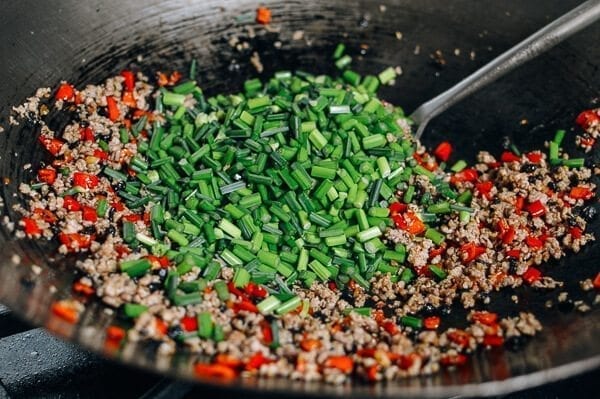
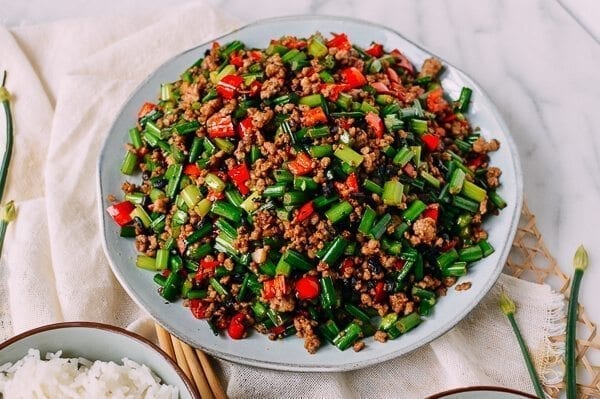
For yellow chives, try our delicate Yellow Chive with Pork, which you can also make with boneless chicken thighs!
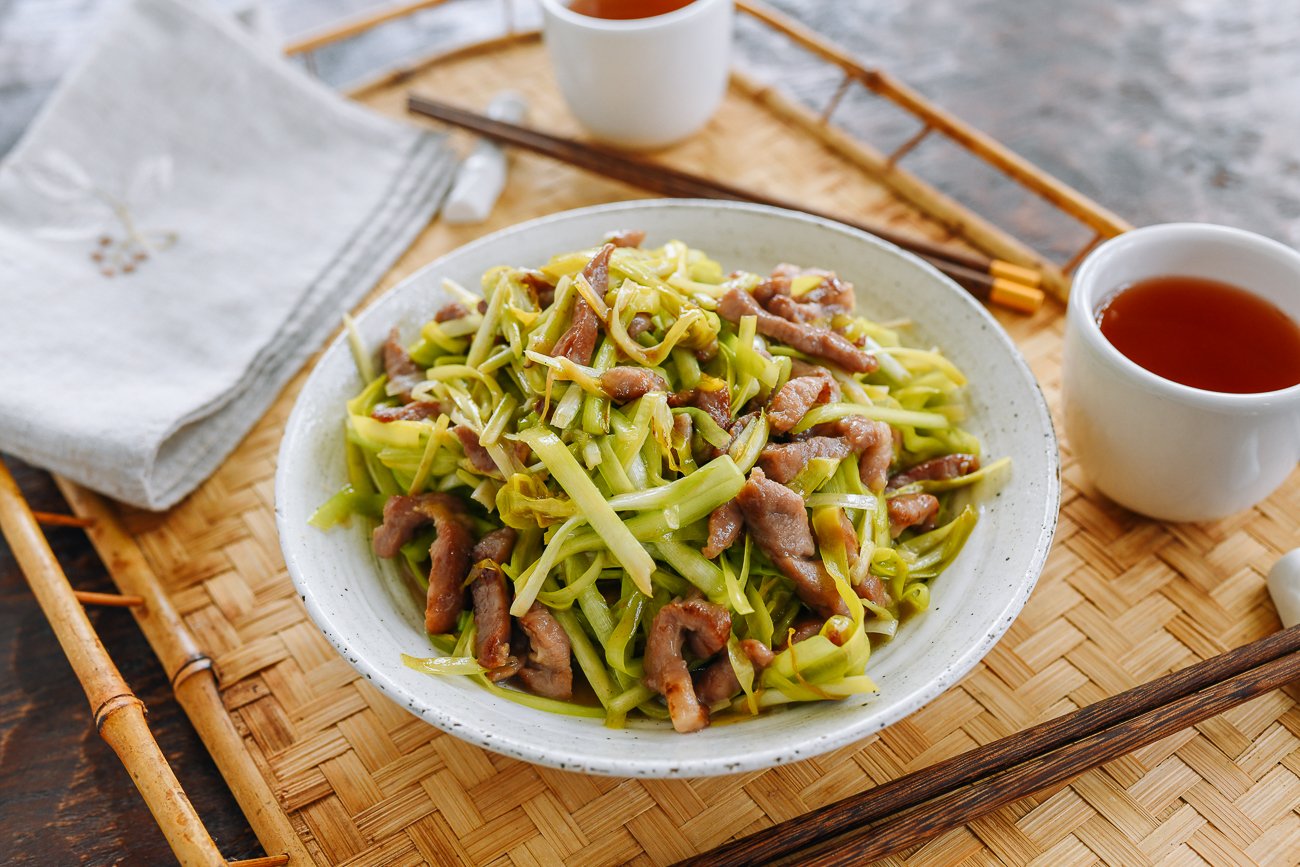
We even have a recipe for chive flowers, which we cooked with in China, as they were more widely available. Check out this Chive Flower Flatbread, from way back when!


Why You Should Direct-seed garlic chives
Christine recommends direct seeding garlic chives, rather than starting them in trays and transplanting. The plants are relatively slow to establish, and in Christina’s words, “look pretty wimpy for a long time.”
We will say that we started them in seed trays, and can confirm: the plants were very spindly and small!
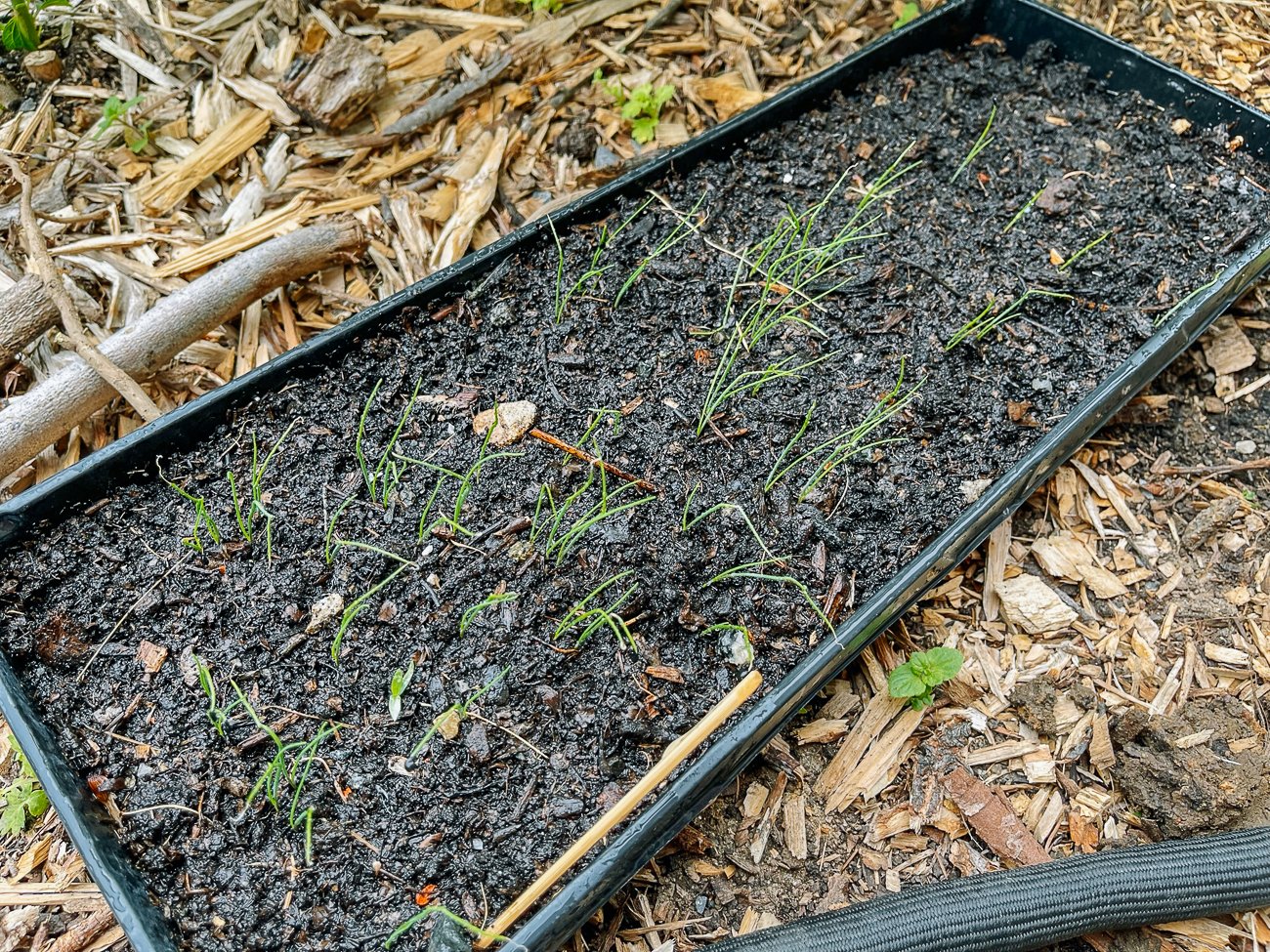
Some sources say that you can also sow them in plugs (basically thin pots all attached to each other in a tray, like you find at garden centers). However, we felt we were struggling to give our chive seedlings enough water and nutrients as they grew.
We waited forever to see if they would fill out a bit, but just ended up planting them in the garden when they were super small, looking like spindly weeds:
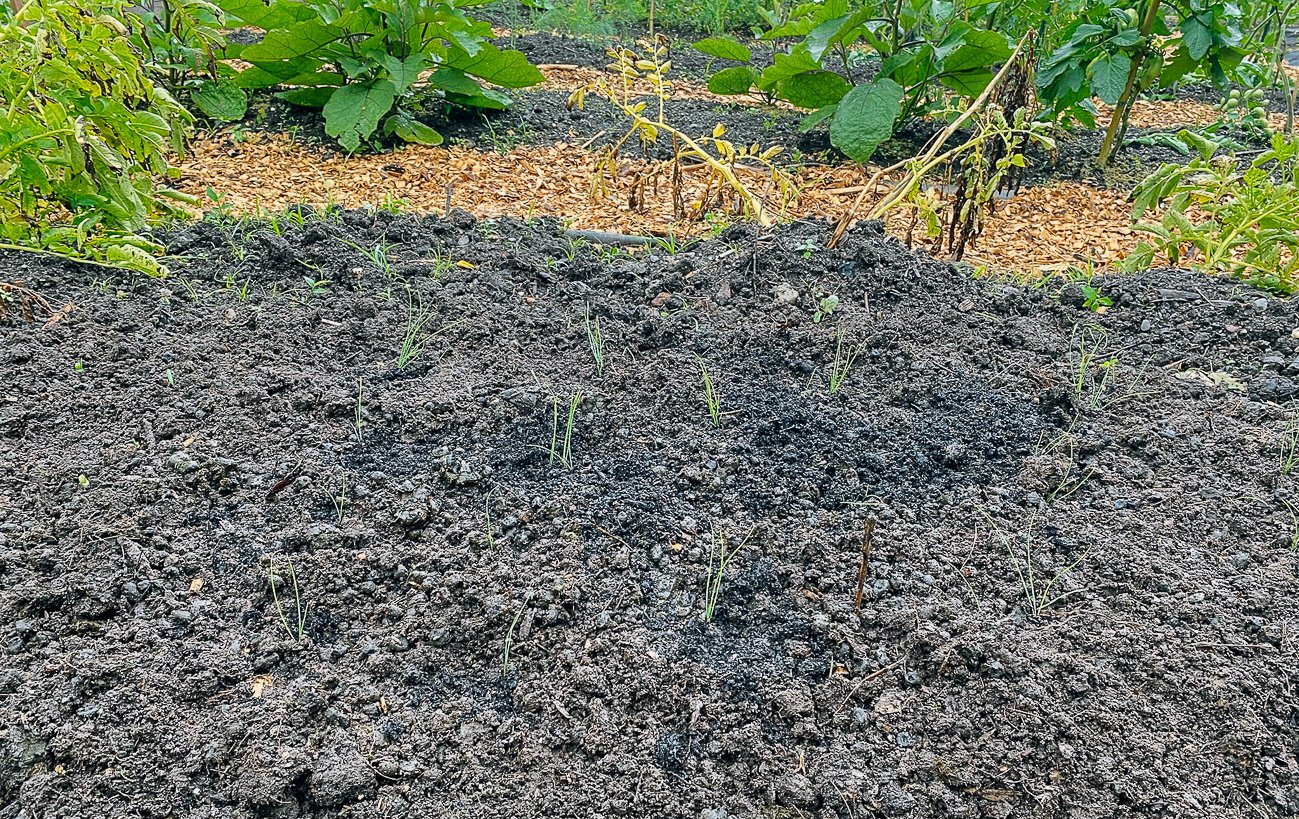
Luckily, we had those transplanted mature garlic chive plants from our old house and garden to fall back on this season:
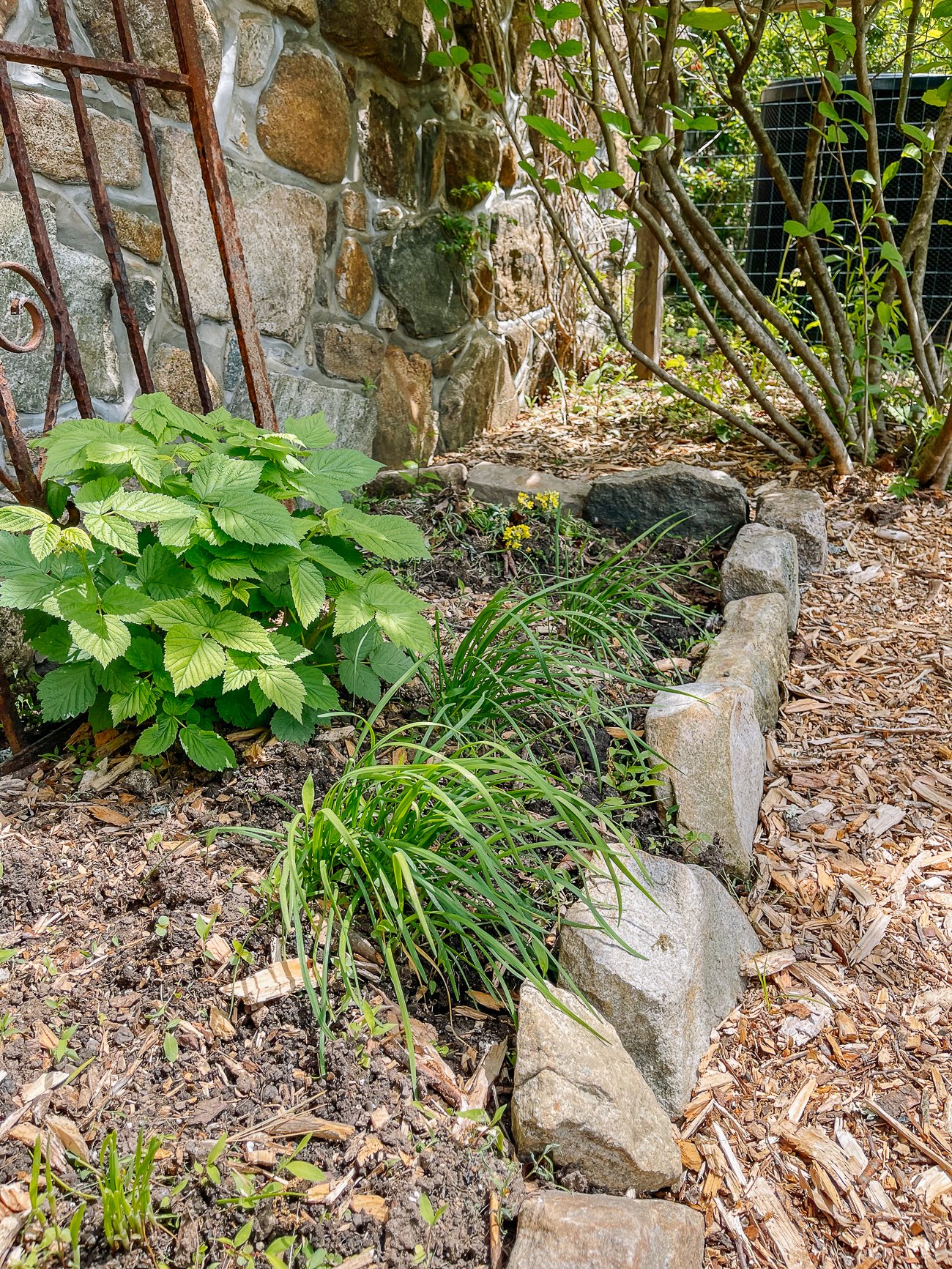
Once in the ground, though, we saw the chives start to fill out and form stronger clumps:
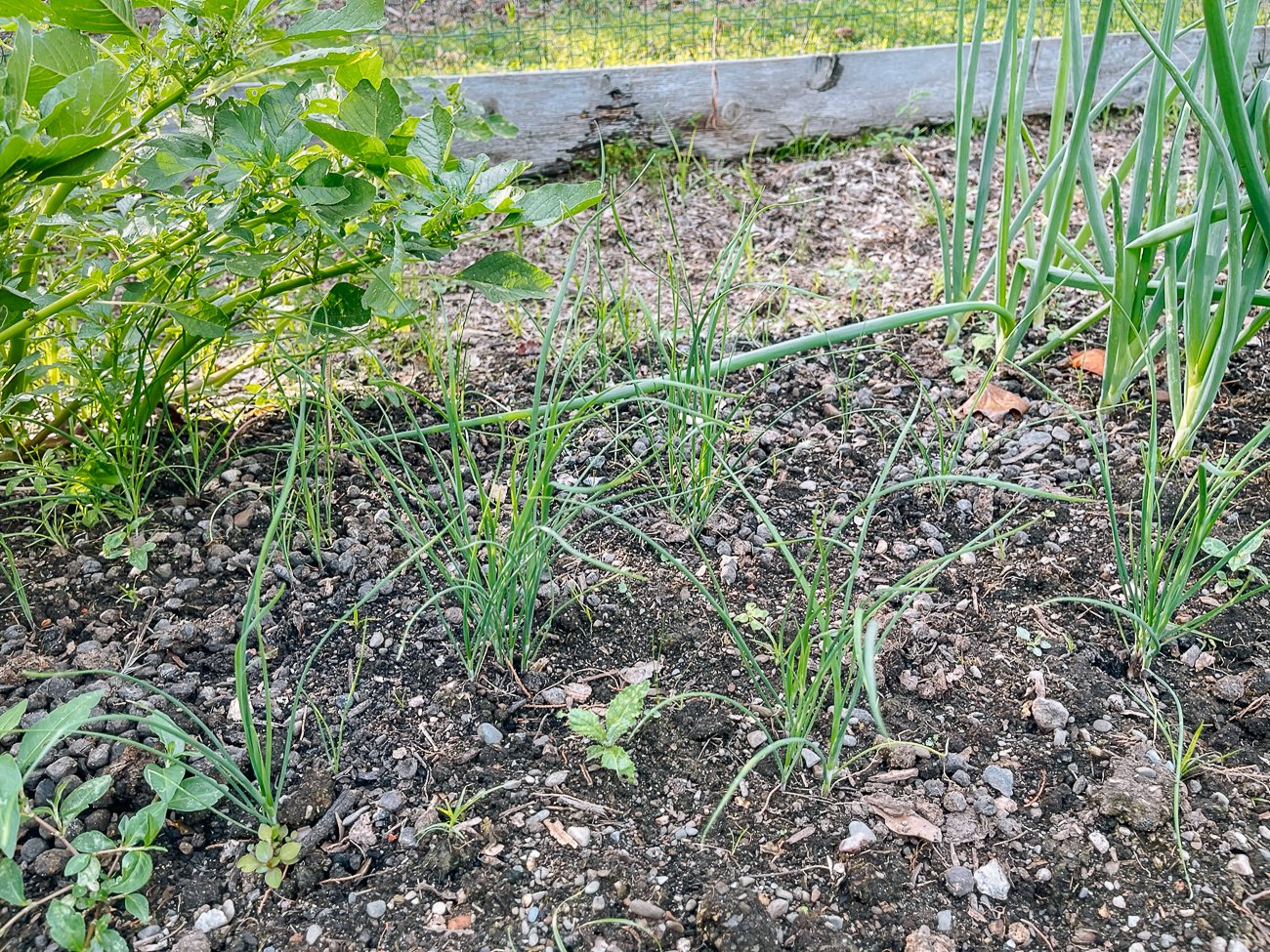
After that experience, we see why direct seeding would work much better. The only thing you have to make sure of is keeping the area well-weeded—and trying not to accidentally pull your young chives!
Running your fingers along the leaves and smelling to to see whether there’s a garlicky scent is a good way to identify them if you’re not sure.
How to Grow Garlic Chives from Seed
As young plants aren’t widely available, the two ways to get garlic chive plants are: 1) to get get a divided clump from a friend, family member, or neighbor who’s growing them or 2) to grow them from seed.
Here are a few varieties Christine recommends, which you can order online:
- Nira (Johnny’s Selected Seeds)
- Garlic Chive (Kitazawa)
- Chinese Chive (Johnny’s Selected Seeds)
To direct-seed your garlic chives, sow 4-6 seeds 1/4-inch deep (6-7mm) about 6 inches (15 cm) apart when the ground is no longer frozen and the threat of frost has passed.
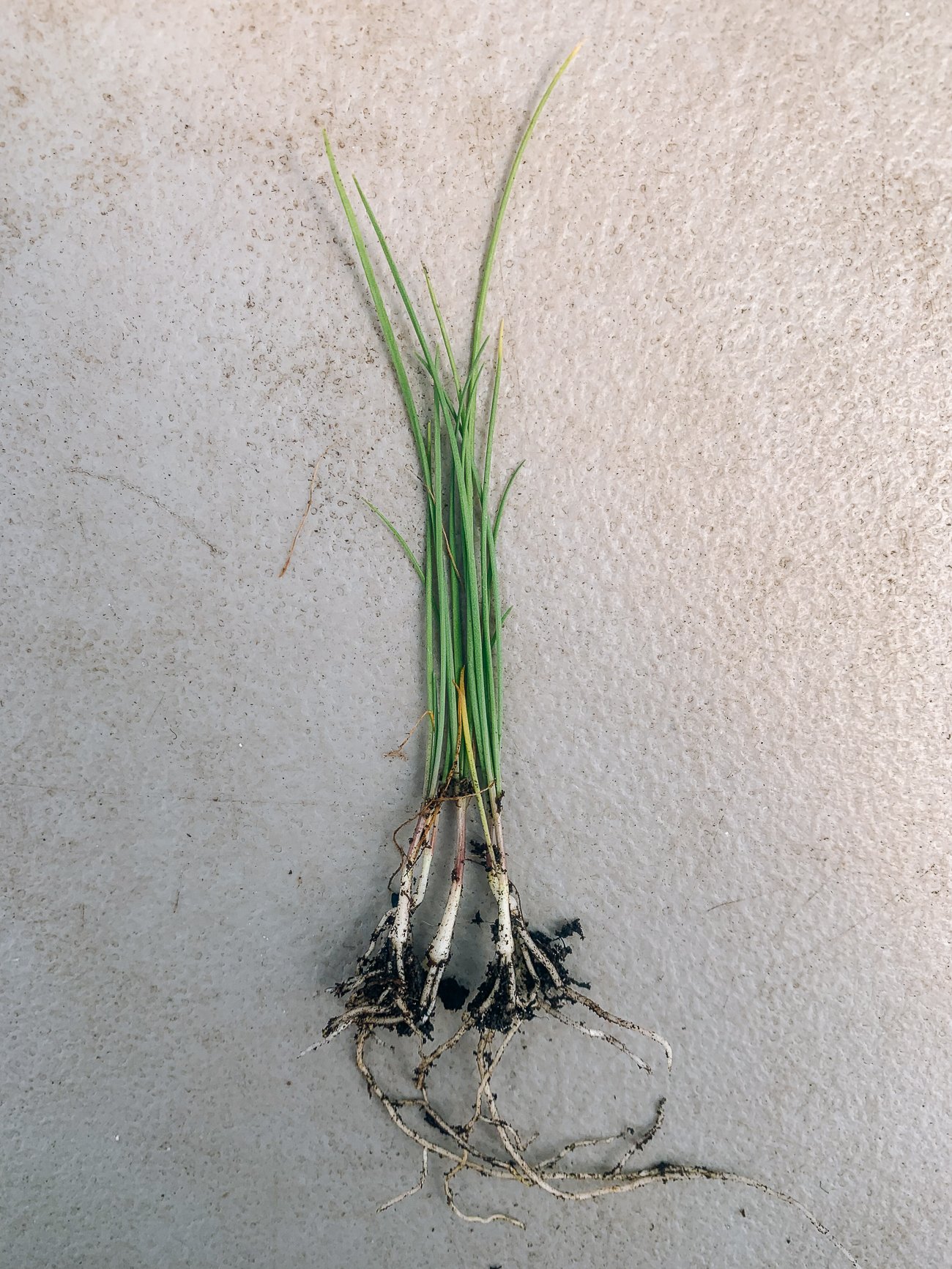
It can take several months for the plants to thicken up and resemble the chives we’re familiar with. Keep the area well weeded as the chives establish.
When the plant is 8-10 inches (20-25cm) tall, you can start harvesting, and get 3-4 good harvests throughout the season. If you want continuous access to chives, plant more plants!
Garlic chives naturally self-propagate, so you will find each clump gets thicker with each season. At some point (usually about every 4 years), the clump will be too thick, and it’s best to start dividing them.
The best part is you are getting more plants without having to do much work! You can divide them in the spring once they start emerging, or in the fall. You don’t want to do it close to the frost though, to give the plants time to settle in before winter comes.

IDEAL GROWING CONDITIONS FOR Garlic Chives
Garlic chives are hardy plants, and can be grown in zones 4-9. They are the first plants to emerge in spring, and will stick around until a hard frost.
Garlic chives can be grown in sun to part shade.
Chives can grow in a variety of soil conditions, but as with most crops, a rich well-drained soil is best.
Keep them watered, but allow them to dry out between waterings. The soil shouldn’t be soggy.
About 6 inches is ideal!
90 days
Pest Management
Christina says that the only pest to watch out for is the allium leaf miner. This bug eats away at the inner tissue of the leaves and leaves squiggly scarring behind.
There aren’t many ways to control it, especially as garlic chives are a perennial and an all season crop. Depending on level of infestation though, damage is mostly cosmetic.
At Choy Division, they don’t do anything for it and have found it attacks garlic or scallions more often than garlic chives.
Harvesting & SToring
Use a pair of sharp shears to cut the chives about 1-2 inches (3 cm) above ground level at any stage. The plant will regrow.
As with other cut and come again crops, frequent harvesting will encourage more growth. New growth is more tender and pungent.

Advice from Our Aunt, another home gardener!
My aunt (my dad’s older sister) has been growing garlic chives in her backyard for many years. Her chives were the fattest, most tender, and sweet chives we’d ever tasted! As I said earlier, Justin and I took a clump from her garden to grow on our fire escape.
Her advice for vigorous chive plants? Don’t harvest too much of a single plant. Have a few plants, so you can keep getting harvests without exhausting any individual clump. This way, each plant retains enough vigor to grow stronger each season. If they grow a very strong root system and thick rhizomes, the chives will grow thick and sweet!
We hope you enjoyed this post about how to grow garlic chives, and that it’s inspired you to grow them in your own garden. While this ends the original 5 posts we intended for this series, we’ll have a bonus post in November on how to grow daikon radish. Stay tuned!