
If you’ve ever stood in front of the meat section at your local grocery store, staring at all the different cuts of pork ribs, from spare ribs to baby backs, St. Louis ribs, country-style ribs, and rib tips, and felt overwhelmed, you’re not alone! We get so many questions about this topic from readers who want to make sure they’re buying the right cut.
After years of cooking (and eating!) our way through countless rib recipes, both in our family kitchen and while developing dishes for The Woks of Life, we’ve learned a thing or two. So let’s break it all down for you!
The Quick Summary
If you’re here for the cliff notes version (we totally get it—sometimes you just need to grab the right ribs and get cooking!), here’s your cheat sheet:
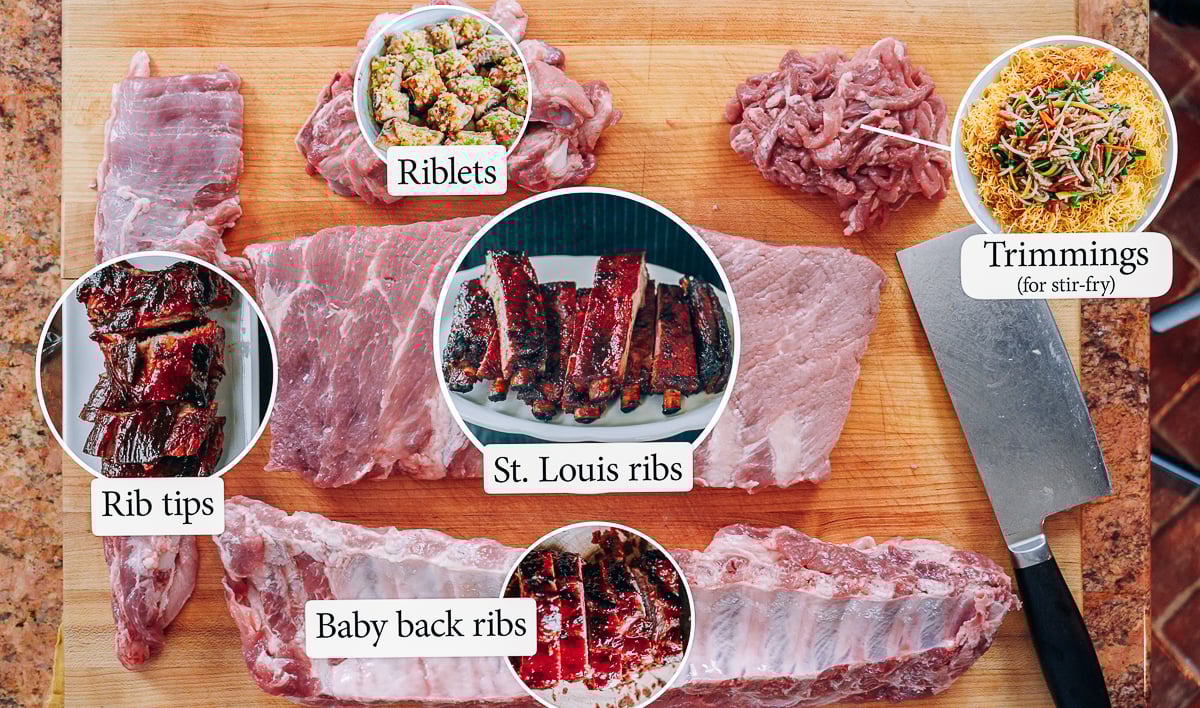
- Spare Ribs: These are pork ribs taken from the lower part of the rib cage, closer to the belly. They are larger and have more cartilage than baby back ribs. More fat = more flavor, but they need a bit more time and love to get tender.
- Baby Back Ribs: These are pork ribs taken from the part of the rib cage closest to the backbone. These ribs are shorter, but meatier, leaner, and generally more tender than spare ribs. They’re pricier, but cook faster—perfect when you want that “fall-off-the-bone” texture without the wait.
- St. Louis Ribs: These are spare ribs that have had the breast piece and rib tips removed to make a neat rectangular rack of ribs. Better for even cooking!
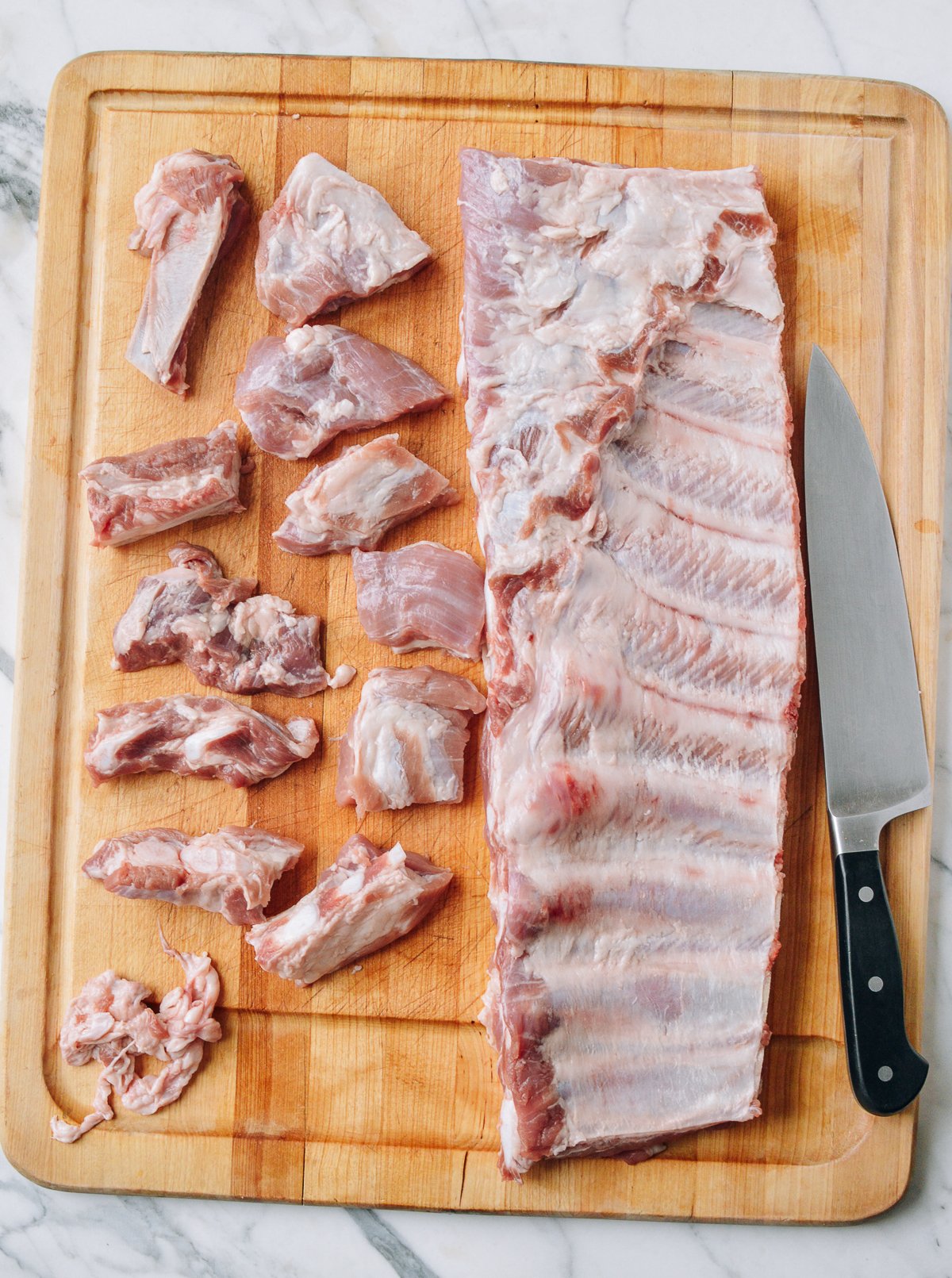
- Rib Tips: The cartilaginous, fatty ends trimmed from spare ribs. The rib tips are trimmed off of the full rack of spare ribs to make St. Louis ribs. Don’t overlook these—they’re absolutely delicious and budget-friendly!
- Country-Style Ribs: Plot twist—these aren’t actually ribs! They’re thick-cut pieces from the pork shoulder, usually boneless. The butcher cuts them into thick rectangular pieces that resemble ribs.
- Cross-Cut Ribs & Riblets: Any ribs that have been cut across the bone into smaller pieces. It’s rare to see these outside of Asian markets. Essential for many Chinese dishes!
The Most Important Distinction: Spare Ribs vs. Baby Back Ribs
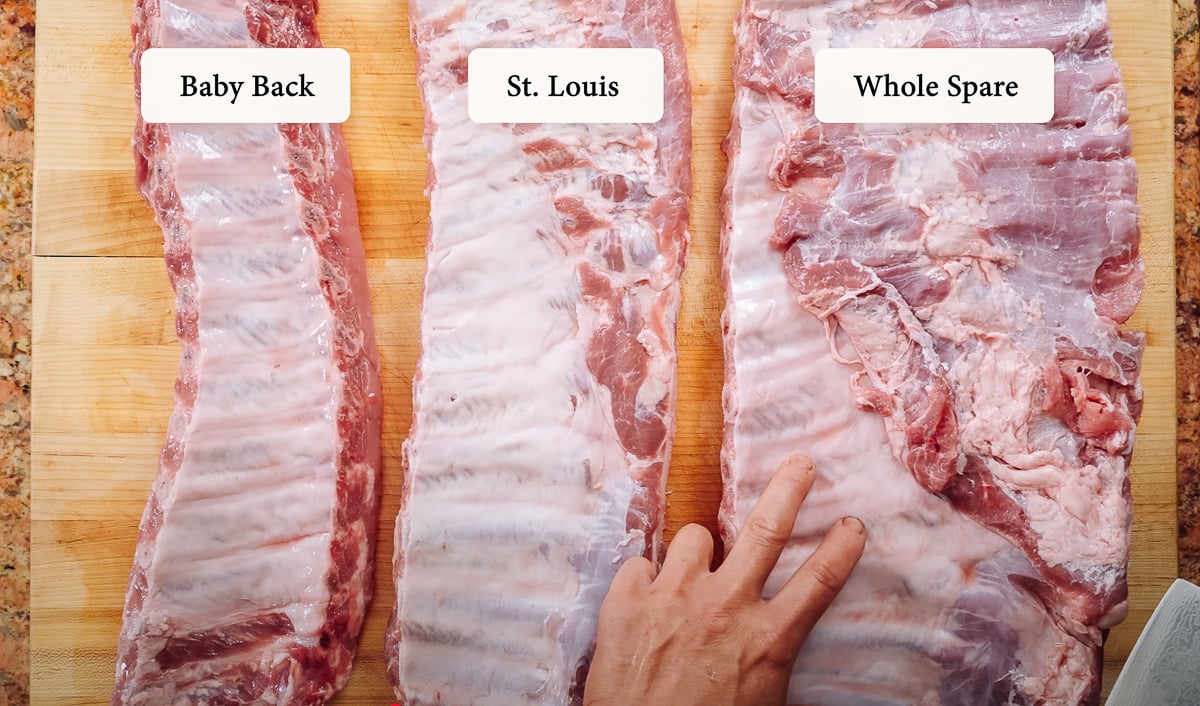
Everything in the rib world really comes down to these two main categories. Once you understand the difference between spare ribs and baby backs, the rest starts to make sense.
Location on the Pig: They both come from the ribcage of the pig, but from different sections.
- The baby back ribs are taken from the loin end of the pig, near the spine or backbone. They are attached to the pork loin, so if you’ve ever seen a bone-in pork loin roast or bone-in center cut pork chops, the bones attached to those cuts are the baby back ribs! In other words, baby back ribs and bone-in pork loin chops originate from the same set of ribs.
- Spare ribs are taken from the lower part of the rib cage, closer to the belly of the pig. They extend from where the baby back ribs end, all the way down to the rib tips.
What They Look Like: You can usually tell them apart just by looking.
- Baby back ribs are shorter, meatier, and more curved.
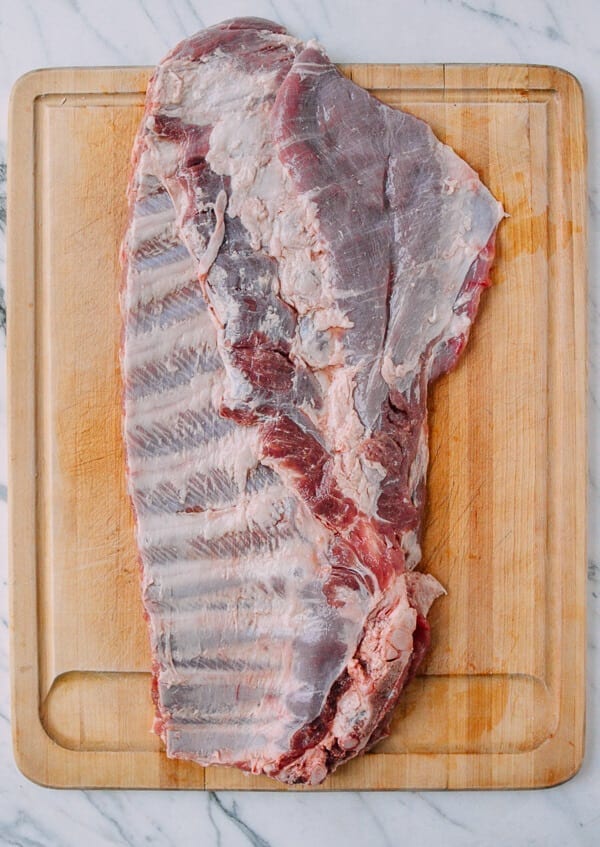
- Spare ribs are larger and flatter. Spare ribs also have an attached flap of meat known as the “skirt,” as well as the cartilaginous rib tips where the bones meet cartilage. They may also have the breast bone (or sternum bone) still attached.
Flavor, Texture & Price: Prioritize lean, tender meat? Or fat & flavor?
- Baby backs are leaner and more tender, which makes them pricier. They’re great if you want that classic “ribs that fall off the bone” experience without a lot of fuss.
- Spare ribs have more fat marbling, which translates to more flavor. They take a bit longer to cook properly, but the payoff is worth it. Plus, they’re a little easier on the budget.
More Cuts to Know
Branching off these two main cuts of ribs are the “sub-cuts” or cuts derived from them.
St. Louis Style Ribs are just spare ribs that have been cleaned up—the butcher trims away the rib tips and breast piece to create a neat, rectangular rack. They cook more evenly and look like what you’re envisioning when you think of a rack of BBQ ribs.
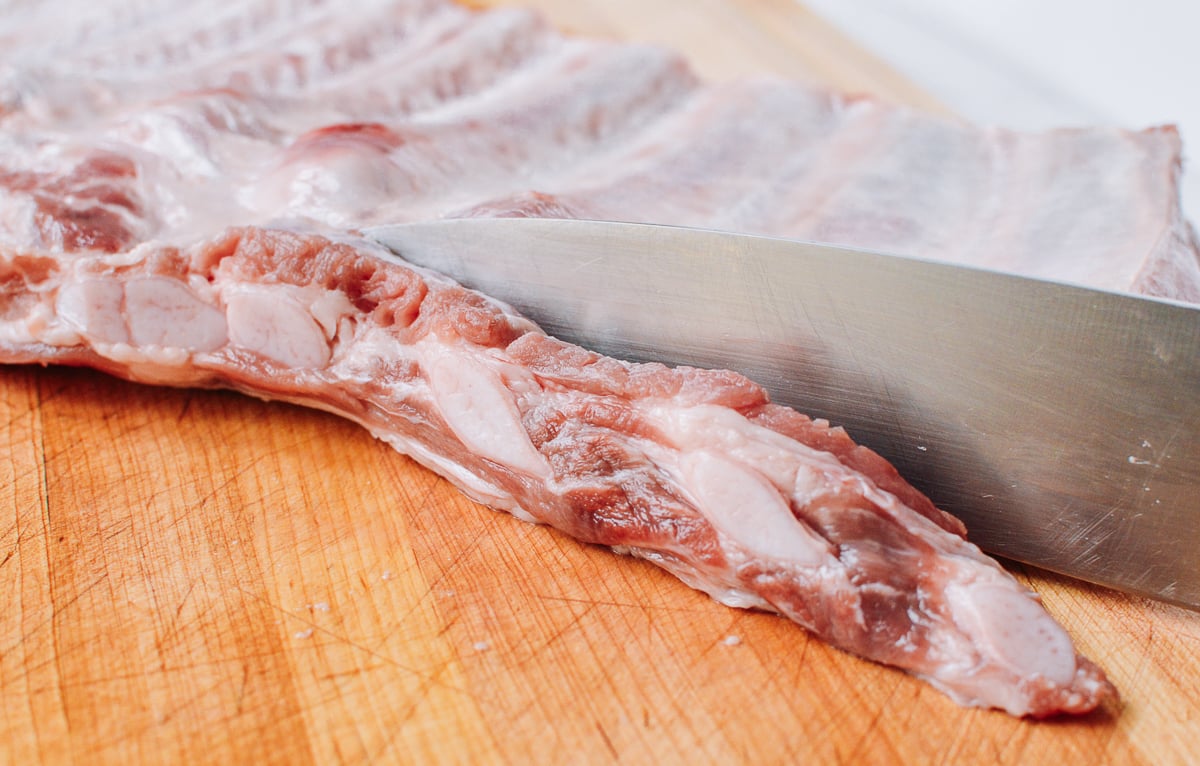
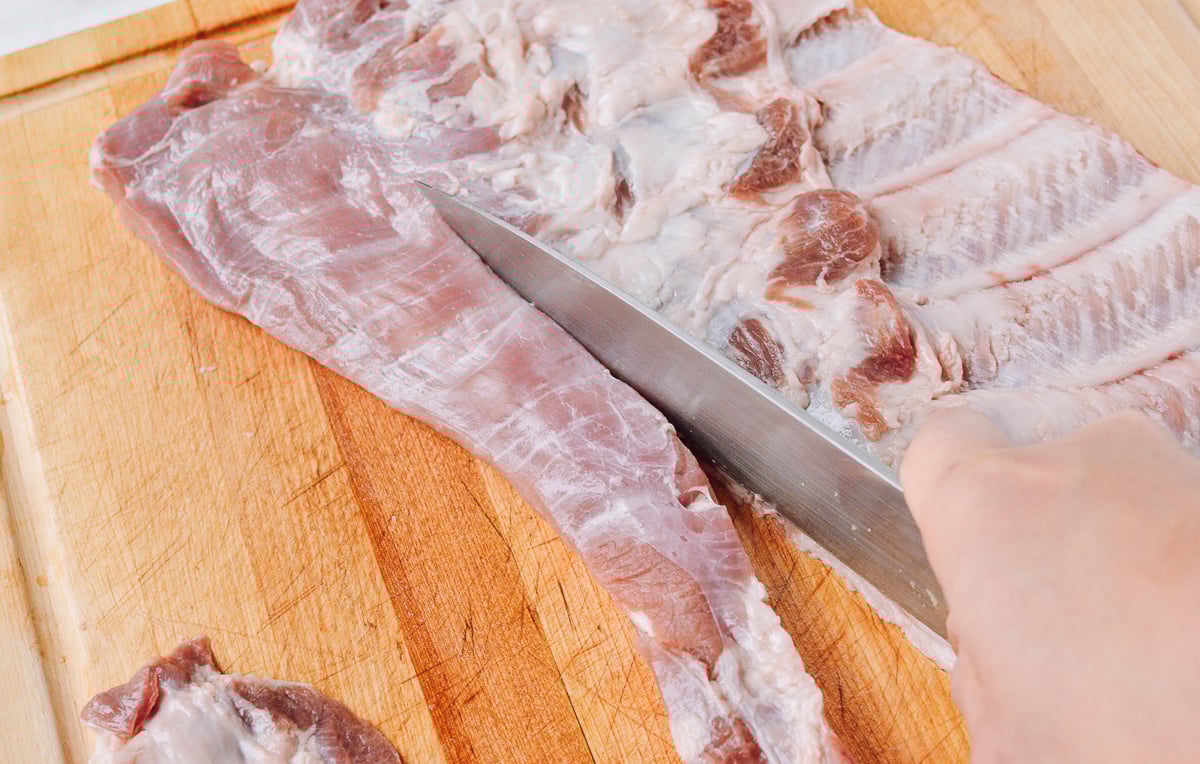

Rib Tips are those trimmings we mentioned—and they’re absolute gold! They’re fatty, cartilaginous, and incredibly flavorful. At our local Asian market, they’re often the same price as the ribs themselves, because people have caught on to how delicious they are. We have an incredible recipe for Fall-Apart Tender Chinese Takeout Rib Tips, as well as a Pork Rib Stew with Foo Jook (Bean Curd Skin) that’s awesome with rib tips.
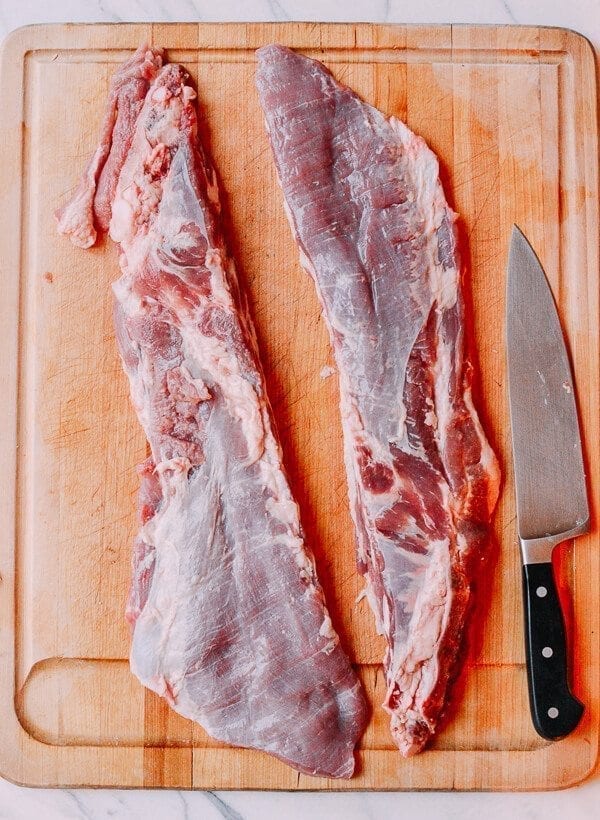
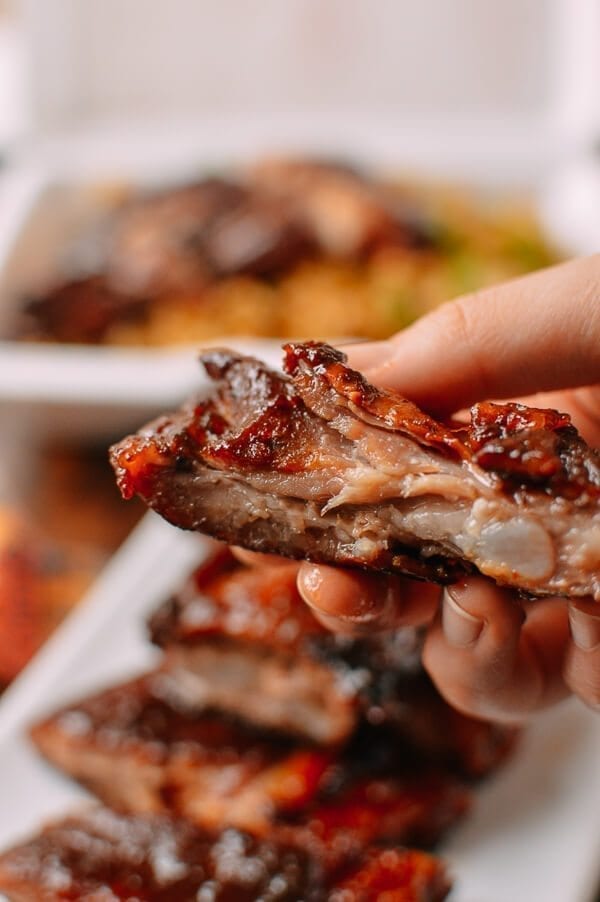
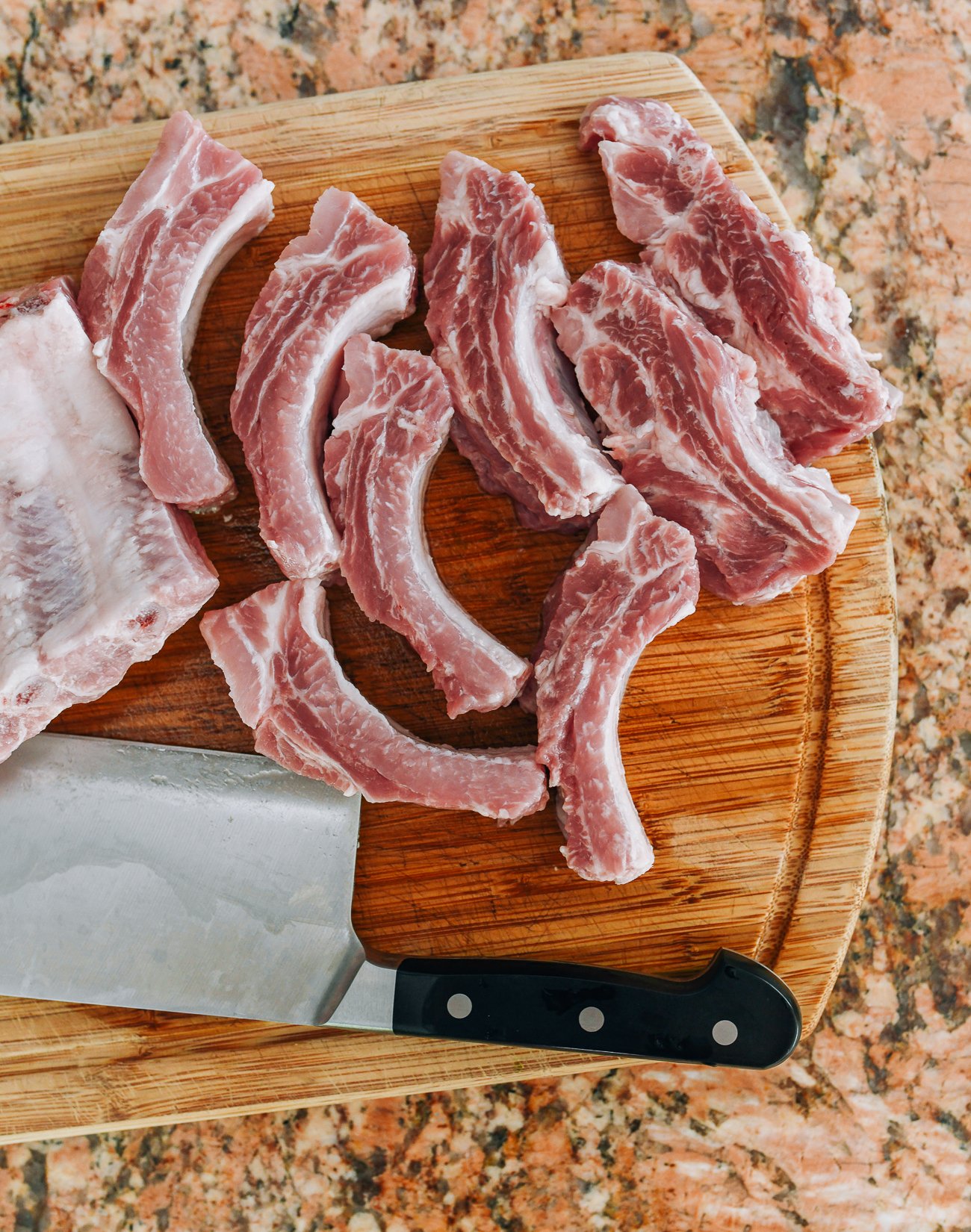
Cross-Cut Ribs and Riblets are what you get when the butcher does the hard work of cutting through the bones for you. This creates small, manageable pieces that are perfect for steaming, braising, and stir-frying—especially in Chinese cooking. See recipes like Dim Sum Steamed Spare Ribs with Black Beans, Steamed Garlic Ribs with Taro, Fried Ribs with Red Fermented Bean Curd, Peking Ribs, and Rice Cooker Ribs & Rice.


Country-Style Ribs are the odd ones out, because they’re not ribs at all! They’re thick slices cut from the pork butt (the upper part of the pig’s shoulder), shaped to look like ribs. We use these less often, because they can sometimes cook up drier than bone-in ribs. That said, you could use country-style ribs to make many of our steamed and braised rib recipes if you prefer boneless meat!
For more details and tips, check out our YouTube video below!

Cooking Methods
This is where we get into the nitty-gritty of cooking! After testing many recipes over the years, here’s what we’ve learned works best for different cooking methods:
For Steaming
Best Choice: Spare ribs (St. Louis ribs and/or rib tips), cut into 1-2 inch pieces
For our Chinese steamed rib recipes (like our classic steamed ribs with black bean sauce), we almost always reach for St. Louis ribs or rib tips. The key is cutting them into uniform, bite-sized pieces—about 1 to 2 inches. This ensures even cooking and makes them easy to eat with chopsticks.
You can use baby back ribs, but honestly, they can be more expensive and don’t offer as much advantage for steaming. Spare ribs have more fat and therefore more flavor in steamed dishes. Save your money and go with spare ribs or rib tips. Recipes include:
- Steamed Garlic Ribs with Taro
- Steamed Ribs with Glutinous Rice
- Dim Sum Steamed Ribs with Black Bean
- Steamed Ribs with Red Fermented Bean Curd
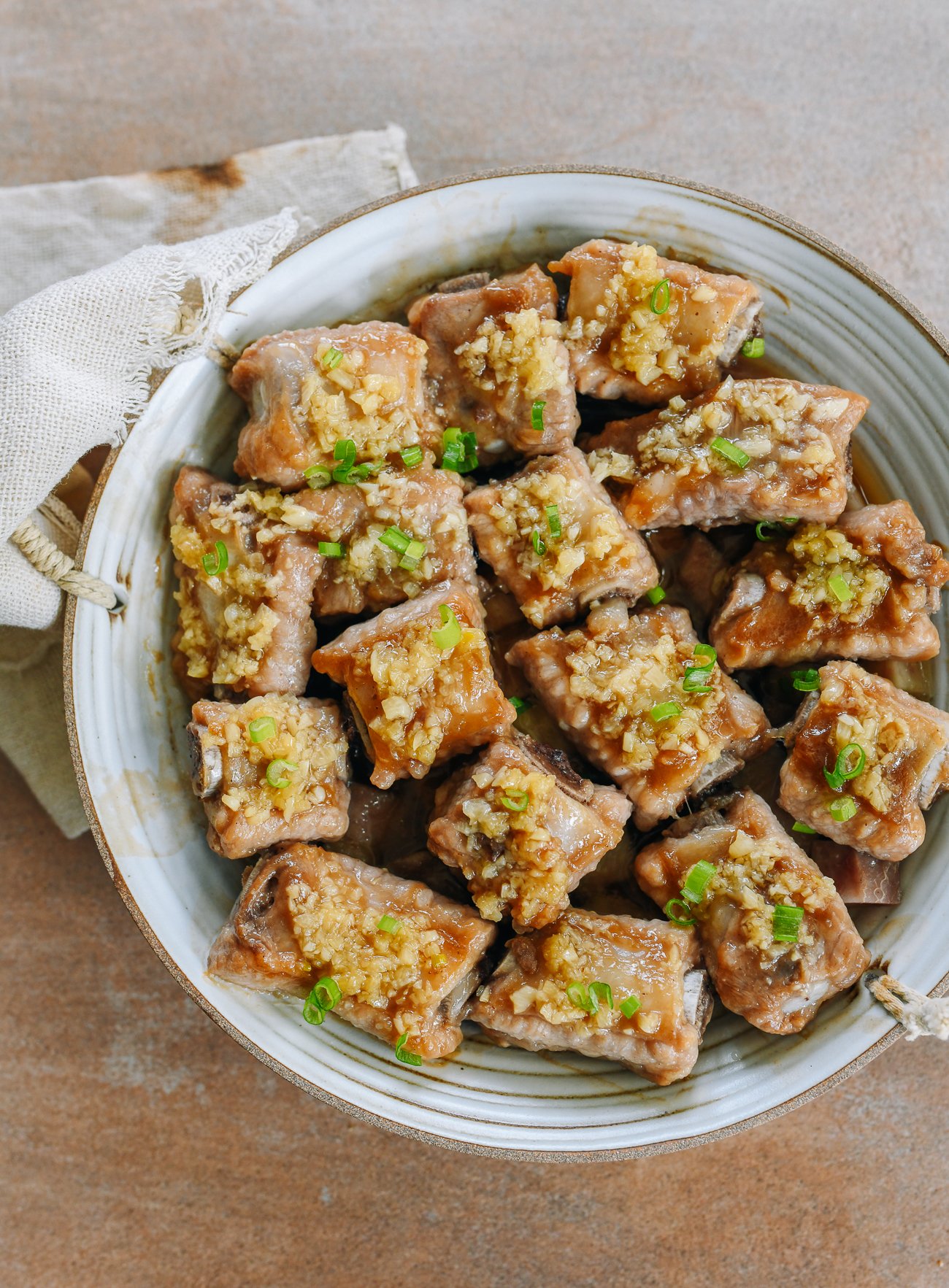
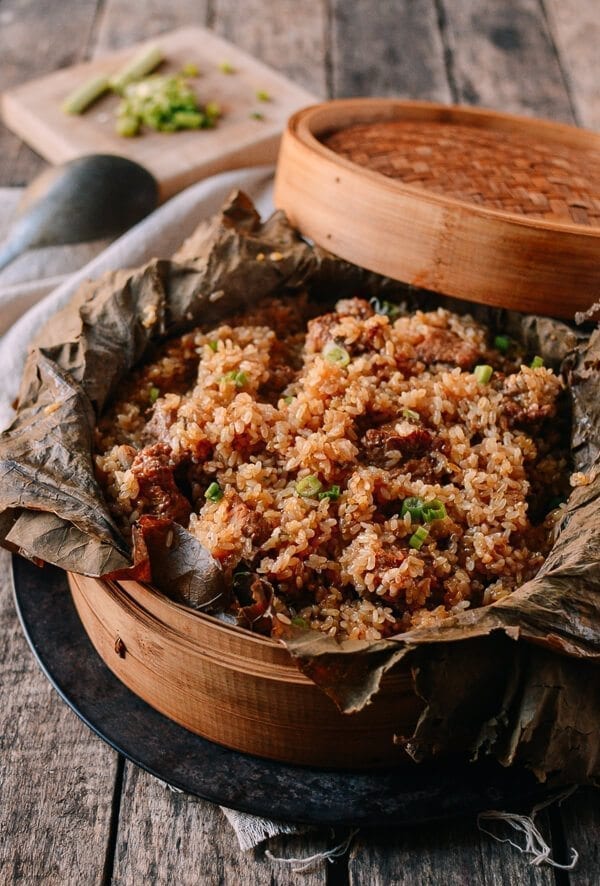
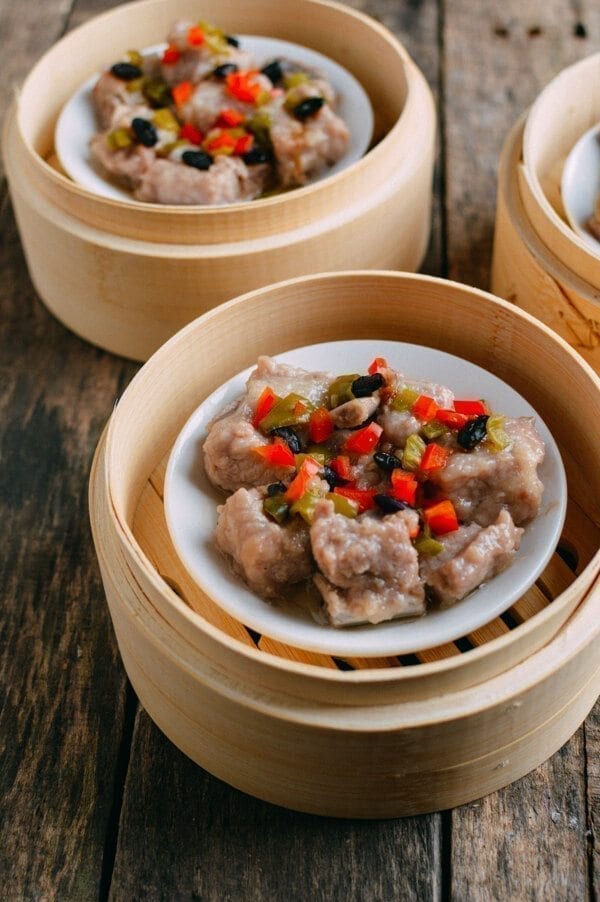

If you want to go boneless, country-style ribs work too, but cut them into smaller ¾-inch pieces since they’re denser than bone-in ribs. They won’t be as succulent as spare ribs.

Tip!
Chinese grocery stores often sell pre-cut ribs or rib tips perfect for steaming. If you can’t find them, ask your butcher to cut a rack of spare ribs crosswise into 1-2 inch pieces. If you’re more ambitious and own a nice bone cleaver and a thick cutting board, you can cut your own! Partially frozen ribs are easiest to handle and chop. That said, we only recommend this for experienced cooks with the correct equipment. Do not attempt it with a regular knife, or you may chip/damage it.


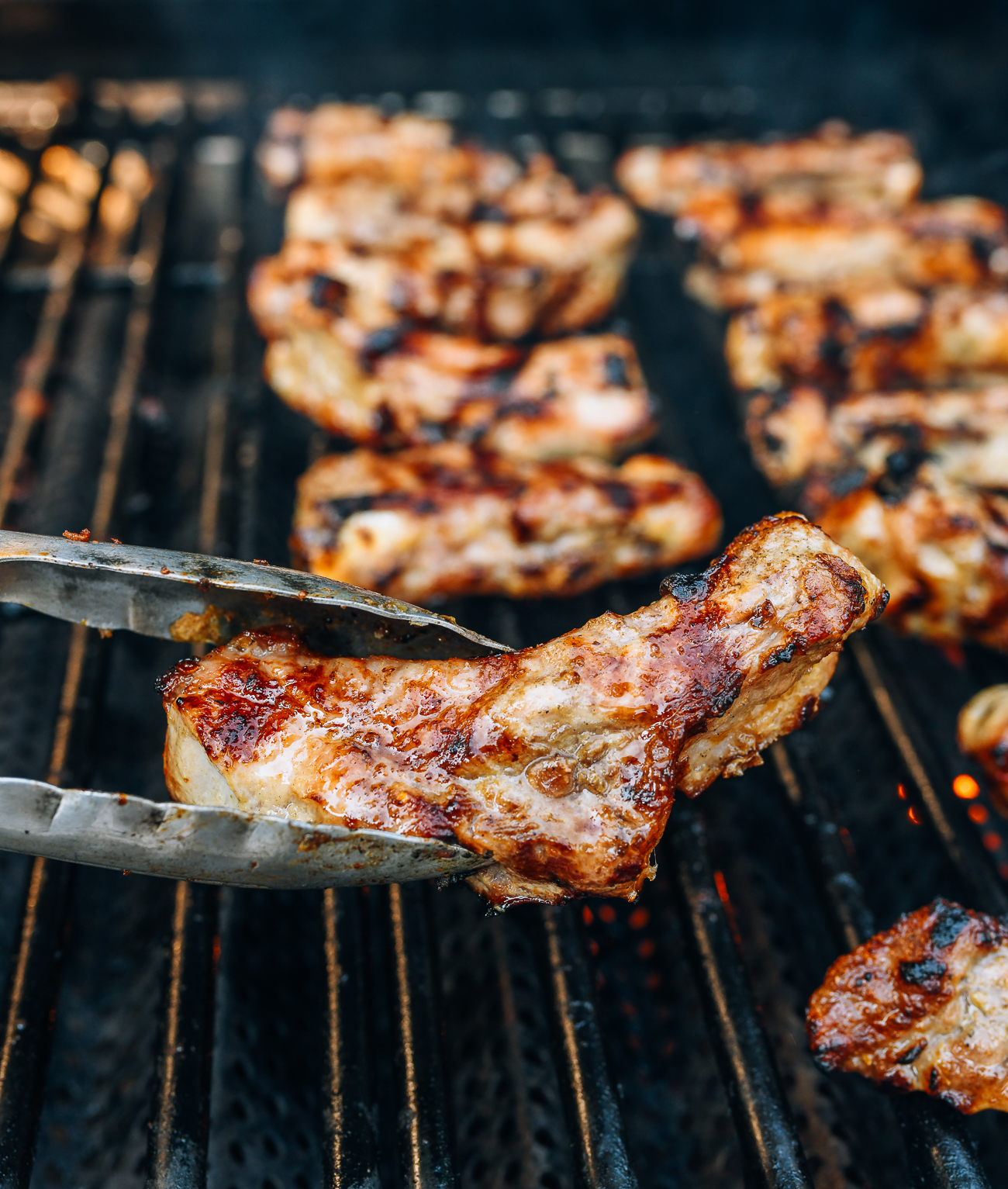
For Grilling
Best Choice: Baby back ribs or St. Louis ribs
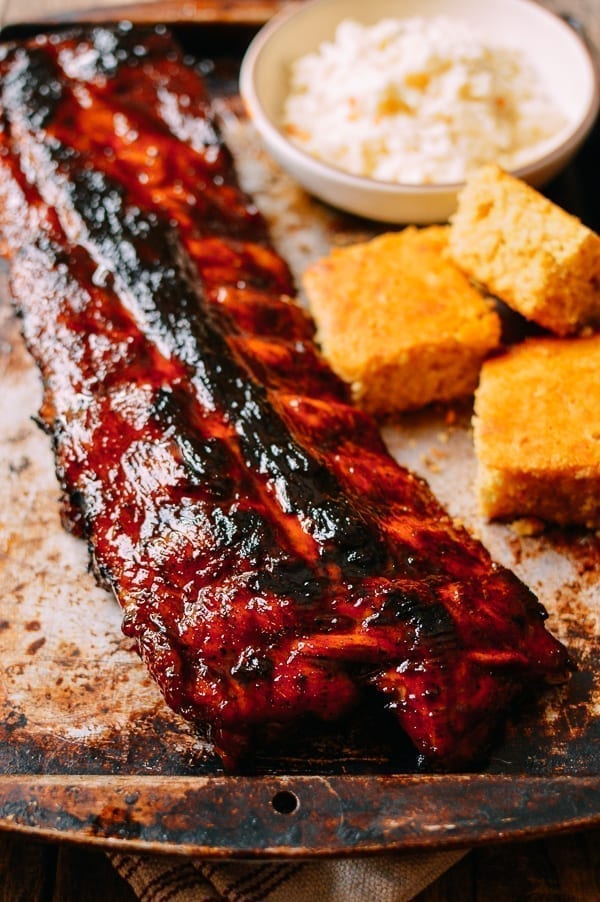
For grilling, we prefer cuts that cook relatively evenly and don’t have too many odd-shaped bits that might burn. Baby back ribs are fantastic because they cook faster and more uniformly. St. Louis ribs are our second choice—they take longer but develop incredible flavor on the grill.
Use full racks of baby back or St. Louis ribs, like in our Instant Pot Rib recipe which gets finished on the grill, or individual ribs (like in our fan-favorite Super Easy Grilled Rib recipe).
For Oven Roasting
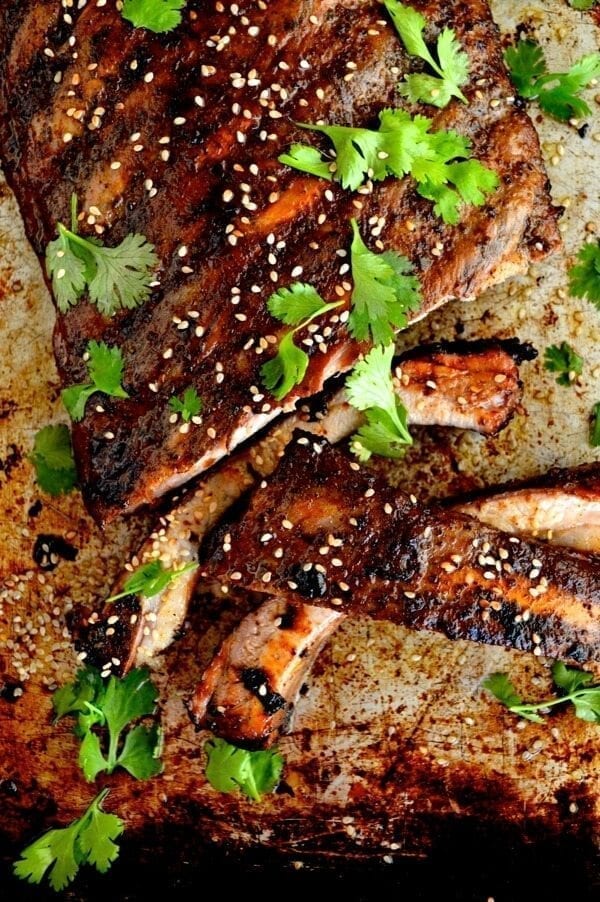
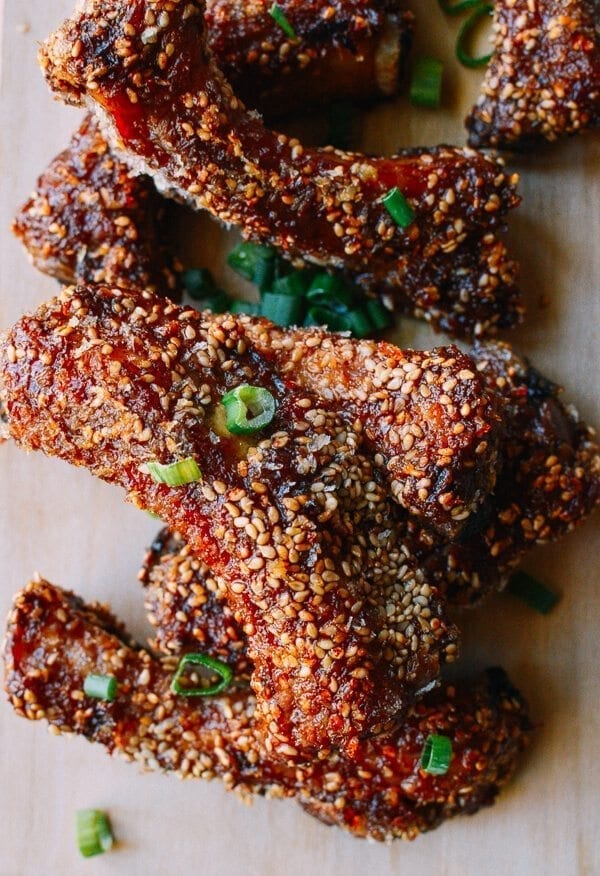
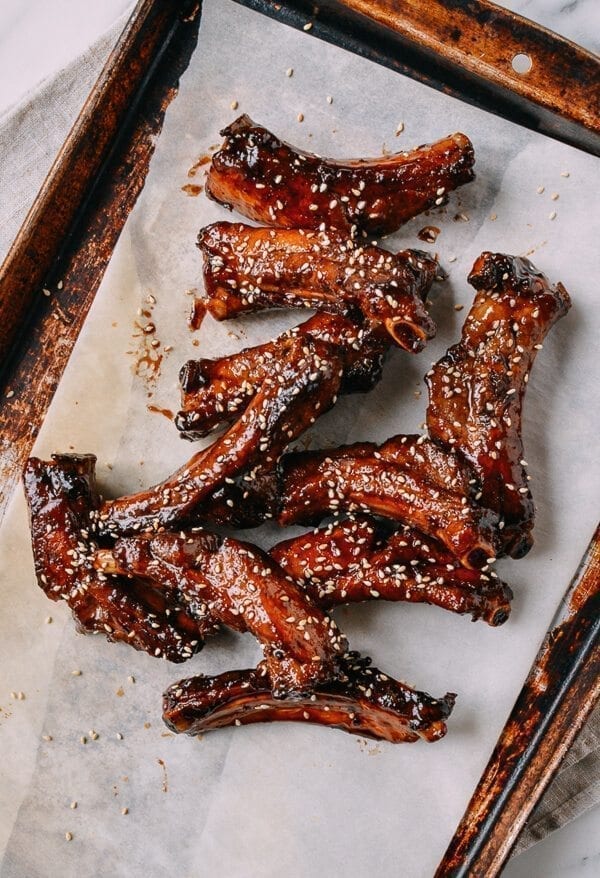
Best Choice: Baby back ribs or St. Louis ribs
Similar to grilling, you want cuts that will cook evenly in the oven. We have many oven-roasted rib recipes that use baby backs and spare ribs. Sometimes, we prefer baby back ribs, since they cook quicker, while other recipes might call for spare ribs, which have more fat content. See Sarah’s Char Siu Oven Roasted Ribs, Judy’s Jasmine Tea Rub Ribs, and Bill’s Sesame Crusted Ribs or Honey Glazed Ribs.
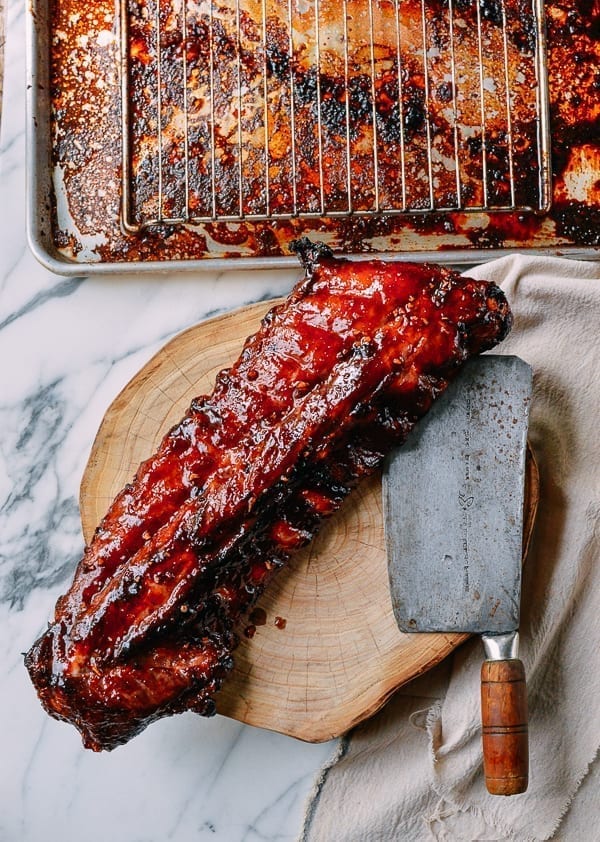
For Braising
Best Choice: Rib tips or cross-cut spare ribs, cut into 2-3 inch pieces
Braising is where rib tips and spare ribs really shine. The long, slow cooking process breaks down all that connective tissue and fat, creating incredibly rich, flavorful dishes. Higher fat content keeps the meat moist during long cooking, and the connective tissue breaks down into gelatin, creating a silky, rich sauce.
For braising, cut the ribs into 2-3 inch pieces. This gives you good portion sizes while ensuring the meat stays tender and the flavors penetrate throughout. See recipes like our Braised Pork Rib & Taro Stew, Pork Rib Stew with Foo Jook, Pork Ribs with Black Bean Sauce, and Braised Ribs with Bitter Melon.
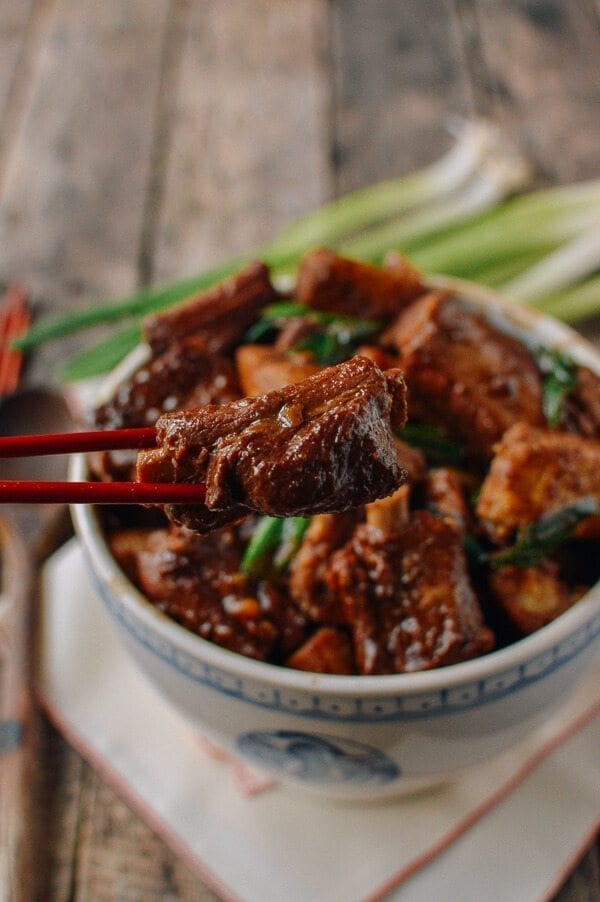
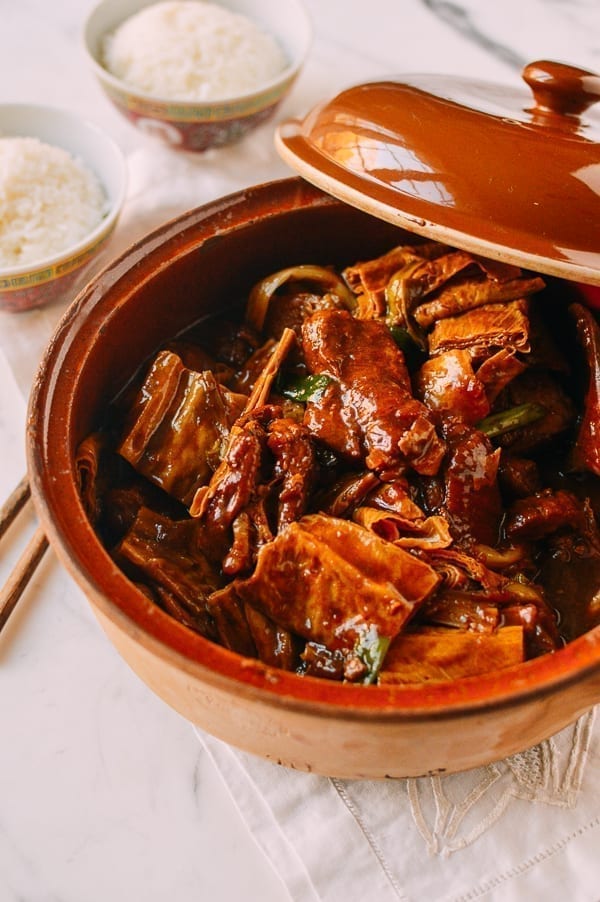
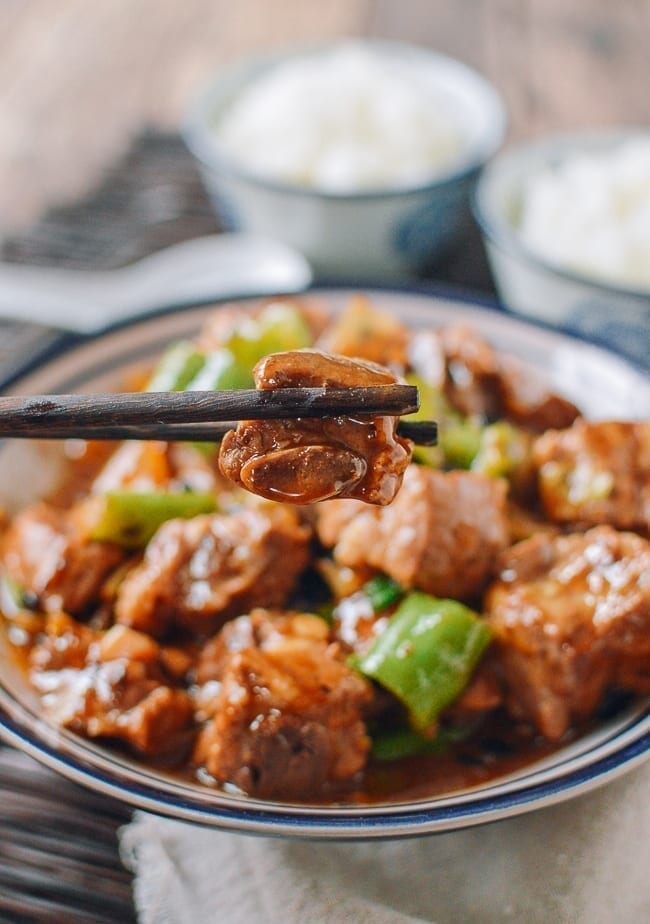

For Soups
Best Choice: Any cut, but spare ribs and rib tips give the most flavor
Chinese pork rib soups are all about extracting maximum flavor and nutrition from the bones. This is actually one of the few times where the cut doesn’t matter as much—it’s more about the cooking technique.
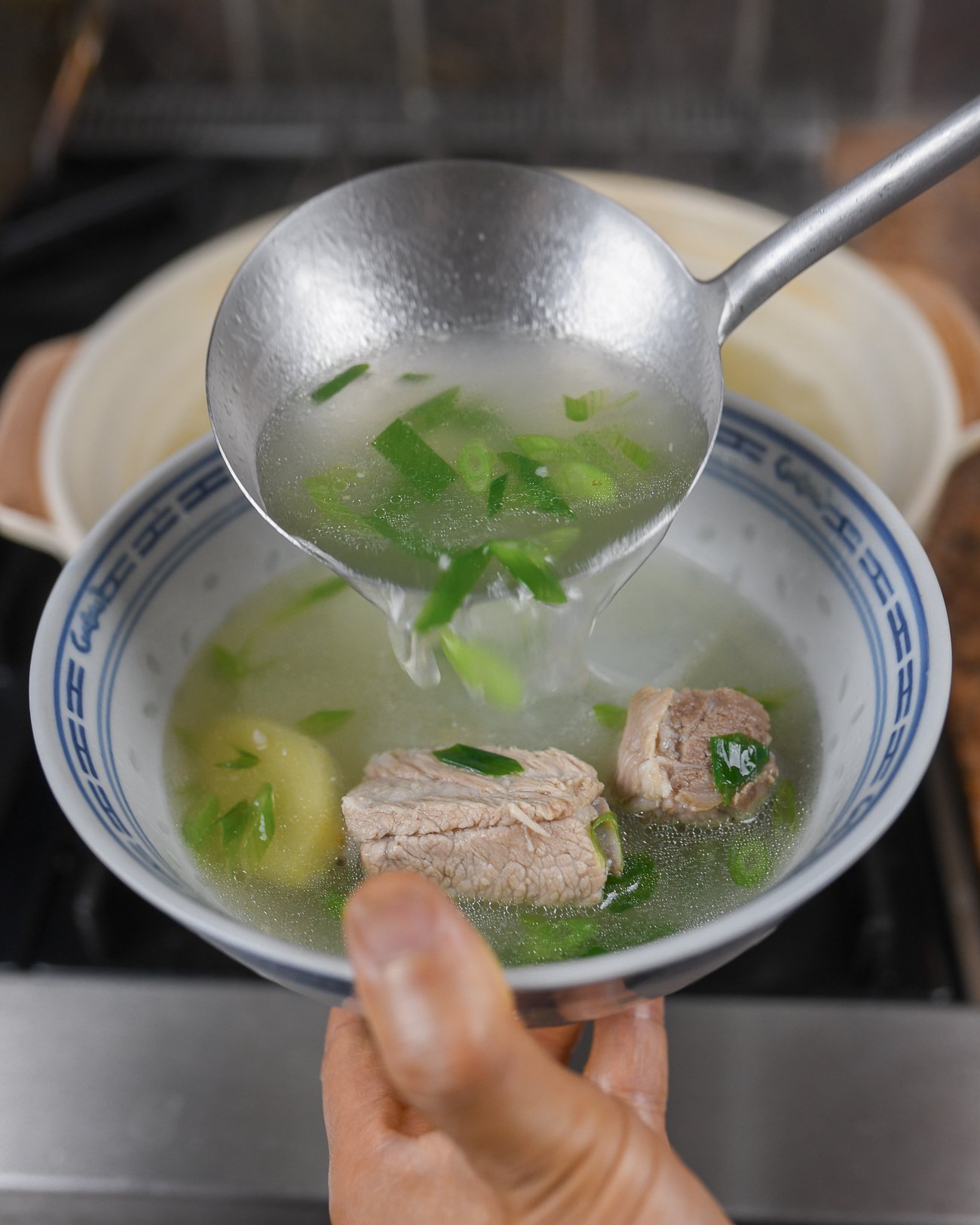
- For clear soups: Use spare ribs cut into 2-3 inch pieces. Blanch them first in boiling water to remove impurities, then rinse and add to your soup pot with fresh water.
- For rich, milky broths: Rib tips are fantastic here. The cartilage and connective tissue break down and create that prized milky-white pork bone soup.
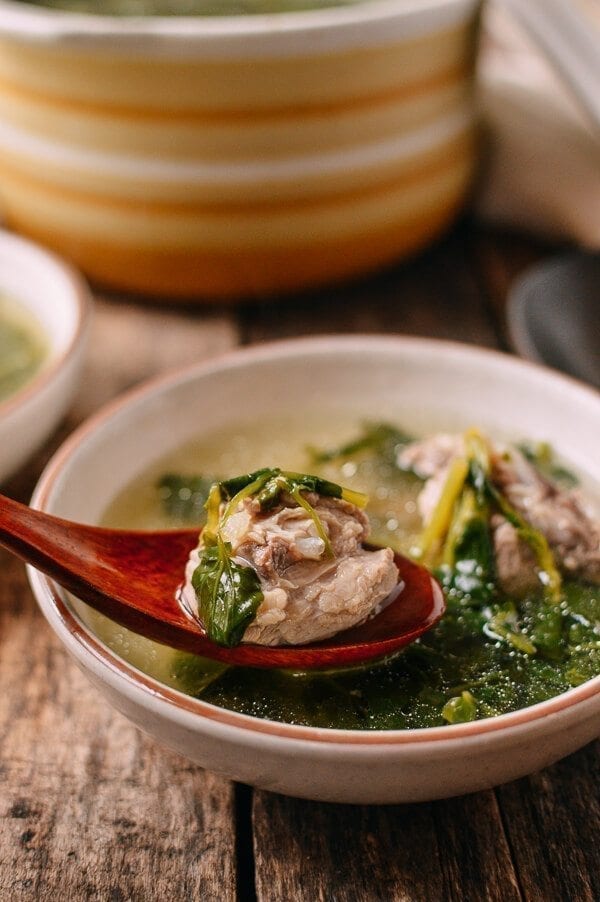
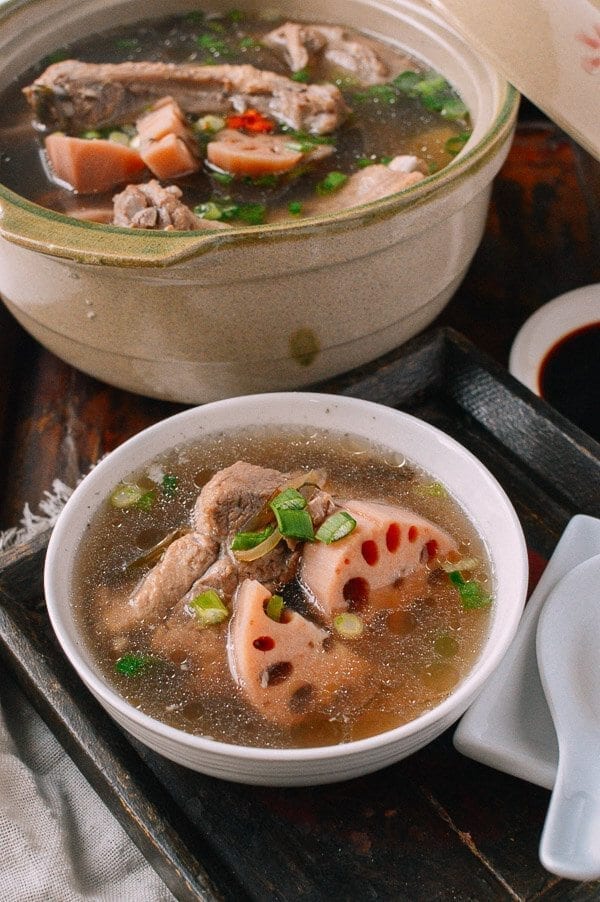
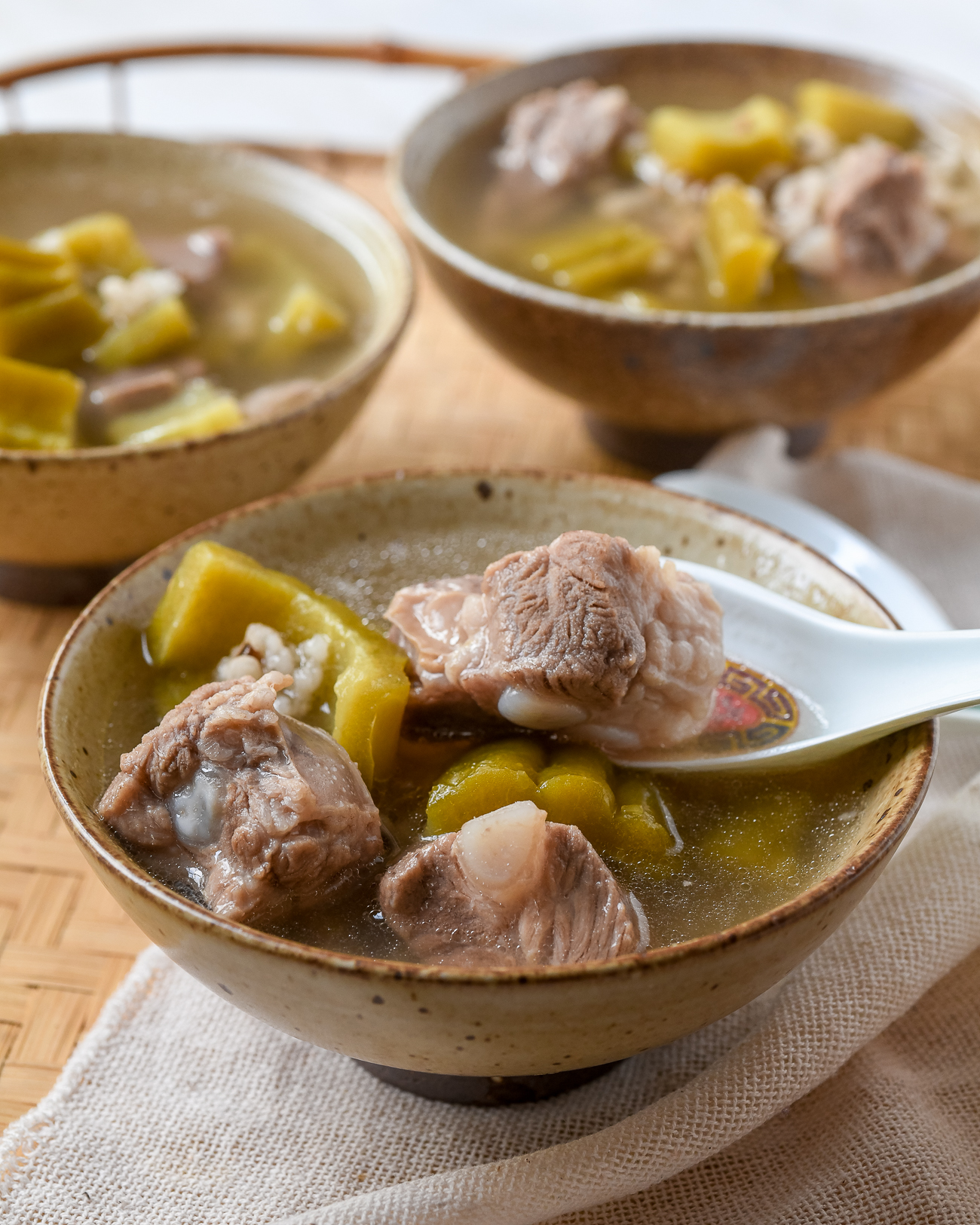
- Flavor additions: We always add a few slices of ginger, and you may want to include a splash of Shaoxing wine to cut any gaminess. For heartier soups, add daikon radish, lotus root, or winter melon in the last hour of cooking. See our Pork Rib Watercress Soup , Pork Bone Lotus Root Soup, Winter Melon Soup with Pork Ribs, and Cantonese Bitter Melon Soup with Pork Bones.
For Frying
Best Choice: Bone-in Riblets or baby back ribs cut in half cross-wise; can also use boneless country-style ribs (i.e. boneless pork shoulder chunks), but bone-in ribs are best.
Ever considered deep-frying ribs? It may be decadent, but ribs marinated in savory red fermented bean curd then fried have been a go-to appetizer at our family parties for decades.
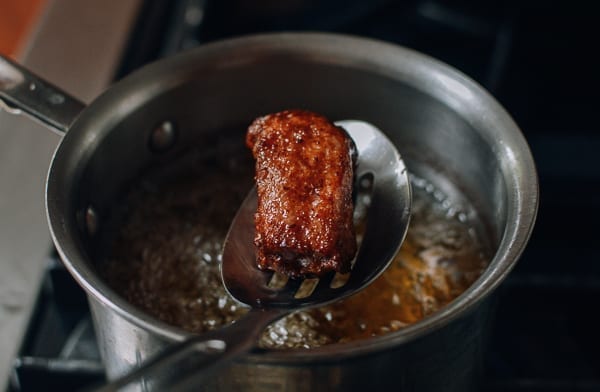
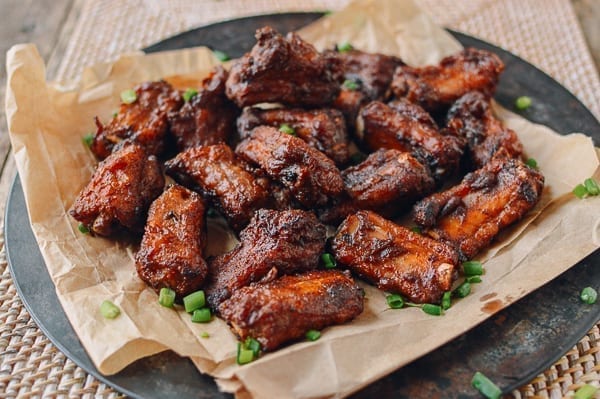
Try our Chinese Fried Ribs with Fermented Red Bean Curd at your next gathering, and let the compliments commence!
Final Thoughts from Our Kitchen
After years of cooking ribs every which way, here’s our honest take: there’s no single “best” cut—it all depends on what you’re making and what you value most. It also might just depend on what’s currently on sale at the grocery store!
If you want convenience and tenderness, go with baby backs. If you want maximum flavor and don’t mind a bit more cooking time, spare ribs are your friend. And don’t sleep on rib tips. They’re some of the most flavorful, budget-friendly pieces you can find!
The most important thing is to understand what you’re buying and adjust your cooking method accordingly. Happy cooking, and don’t forget—the best ribs are the ones shared with family and friends around the table!