The Woks of Life
My Saved Recipes
  • Recipes
    • Recipe Index
    • Recipe Filter
    • View all By Date
    • Our Cookbook: NOW AVAILABLE!
    • Videos
  • How-To
    • Cooking MethodsAll how-to cooking methods
    • Cooking ToolsAll Cooking tools including hand and electrics
    • Wok Guide
    • Garden/FarmWe share our learnings from our new Woks of Life HQ/farm (where we moved in Fall of 2021) on how to grow Chinese vegetables, fruits, and other produce, as well as farm updates: our chickens, ducks, goats, alpacas, and resident llama!
    • CultureCulture related posts
  • Ingredients
    • Chinese Ingredients Glossary
    • Sauces, Wines, Vinegars & Oils
    • Spices & Seasonings
    • Dried, Cured & Pickled Ingredients
    • Noodles & Wrappers
    • Rice, Grains, Flours & Starches
    • Tofu, Bean Curd & Seitan
    • Vegetables & Fungi
    • Fresh Herbs & Aromatics
  • Life & Travel
    • Life
    • Travel
  • Contact
    • Work with Us
    • Press
    • Send Us A Message
  • About Us
Home ❯ Ingredients ❯ Sauces, Wines, Vinegars & Oils ❯ Shrimp Paste & Shrimp Sauce

Shrimp Paste & Shrimp Sauce

Everyone

by:

Everyone

21 Comments
Updated: 9/29/2022
Shrimp Paste and Shrimp Sauce, thewoksoflife.com

Shrimp paste comes in different forms and versions, depending on the region it hails from. In this article, we’ll talk about what it is, the different types, and how it’s used. 

What Is Shrimp Paste?

Shrimp paste or shrimp sauce (xiā jiàng, 虾酱) is made from crushed or ground shrimp. Like fish sauce, it is salted and fermented. The flavor is similar to fish sauce, except it is quite a bit stronger and, well…shrimpier. 

It can come in different forms, from liquid sauces and thicker pastes to solid, dried blocks, depending on which culinary tradition the paste comes from. 

Each unique paste has a different name and different applications, including ham ha in Cantonese (Southern China/Hong Kong), belacan (Malaysia), terasi (Indonesia), kapi (Thailand), mắm tôm (Vietnam), bagoong (Phillippines), and probably more that we haven’t heard of! 

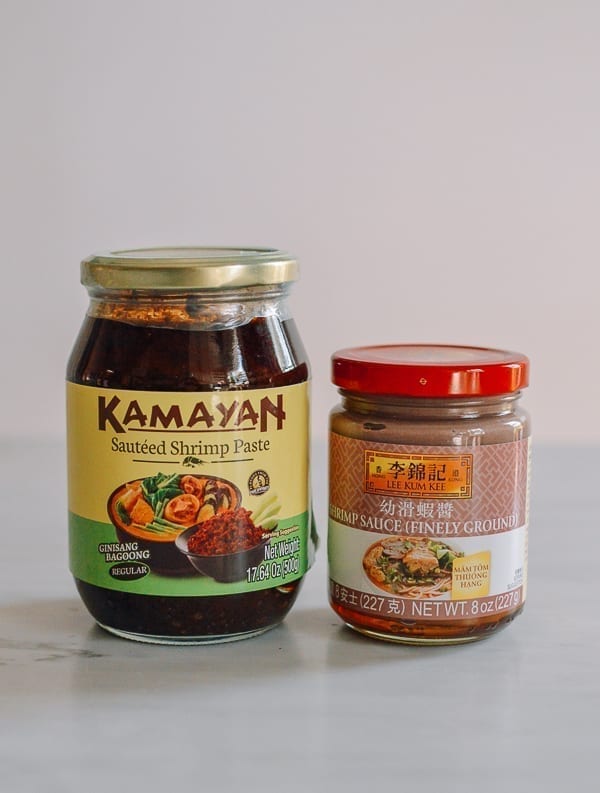
These shrimp pastes can vary widely when it comes to salt level, smell, texture, and color. 
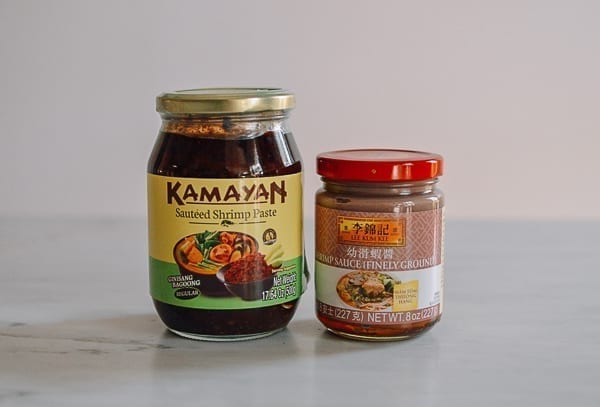
Shrimp Paste and shrimp sauce jars, thewoksoflife.com

Some brands even make sweet, regular, and spicy versions, like this Filipino brand:
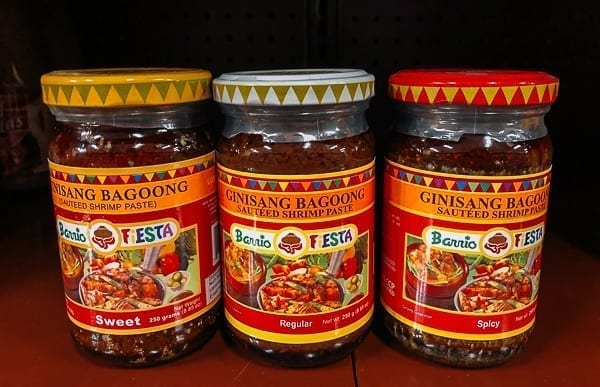
sweet, regular, and spicy shrimp paste, thewoksoflife.com

How Is It Used?

Many Cantonese dishes, most commonly clay pot dishes like stewed eggplant and tofu use shrimp sauce as the primary flavor agent. Pungent and flavorful, these dishes are among our family favorites.

Shrimp sauce can also be used as a condiment for dishes like stir-fried conch with vegetables and fried tofu. The shrimp paste used in these Cantonese dishes is called ham ha, and can be used sparingly. A teaspoon is more than enough for a stir-fry that serves 4. 

Another popular form of shrimp paste is belacan in Malaysia. It comes in hard-pressed solid bricks, and is used in many Malaysian dishes. One of our favorites is a simple dish of stir-fried water spinach with shrimp paste. 

Buying & Storing

Shrimp paste can be found in Asian markets, especially those with a good selection of Southeast Asian ingredients. It can be one of the more difficult-to-find ingredients in our glossary, but it can be ordered online in a pinch. 
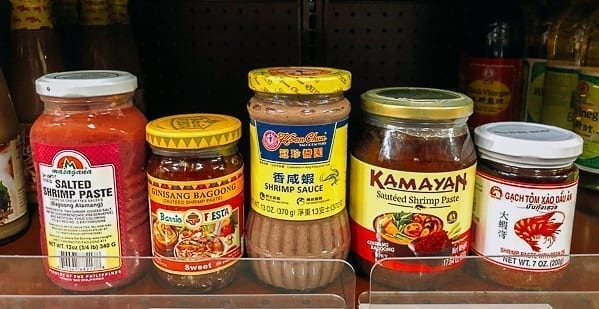
Shrimp paste on store shelf, thewoksoflife.com

Dried shrimp paste does not have to be refrigerated. Store it in an airtight container in a cool, dry place. 

Jarred shrimp paste is also salted and fermented, so it will last a while without refrigeration. However, we find this ingredient doesn’t get used as often in our experience, so we like to keep it in the refrigerator to ensure it keeps longer. It can last over a year in the fridge. 

Just make sure it is in a tightly sealed container, or you might get a shrimp-scented refrigerator! 

Substitutions for Shrimp Paste

Because this is a highly specialized and unique ingredient essential to certain Southeast Asian and Southern Chinese dishes, it’s hard to recommend a particular substitute, especially since shrimp paste often functions as the primary flavor agent in the dishes it’s featured in. 

To get a similar flavor in dishes without the paste, you can try frying shrimp heads and shells in oil over medium heat until the oil changes to a bright red color (the longer you fry them, the more flavor you’ll get). 

The essence and flavor of the shrimp will transfer to the oil, and you can use the oil to cook your dish. It won’t have that fermented funk, but it’ll be shrimpy! We use a similar method in our shrimp pad thai recipe.

Our Favorite Dishes That Use This Ingredient:

  • Char Kway Teow (Malaysian Rice Noodle Stir-fry)
  • Khao Soi (Thai Curry Noodle Soup)

If you have further questions about this ingredient, let us know in the comments!

You may also like…

  • Chinese Boiled Shrimp with Ginger Scallion Dipping Sauce, by thewoksoflife.com
    Chinese Boiled Shrimp with Ginger Scallion Dipping Sauce
  • Shrimp and Broccoli, thewoksoflife.com
    Shrimp and Broccoli with Brown Sauce
  • Shrimp with Lobster Sauce, by thewoksoflife.com
    Shrimp with Lobster Sauce
  • Bullhead Sha Cha Sauce, thewoksoflife.com
    Shacha Sauce
Everyone

About

Everyone
Bill, Judy, Sarah, and Kaitlin Leung are a family of four and co-creators of The Woks of Life, which began in 2013 and has since become the most trusted online resource for Chinese recipes—what Bon Appetit has called “The Bible of Chinese Home Cooking.” New York Times bestselling cookbook authors, IACP award finalists, and James Beard Award nominees, the Leung family continues to build this multigenerational project, a culinary platform and robust online community trusted by millions of home cooks. This post includes contributions from two or more family members. So rather than deciding who gets a byline, it’s posted under the general moniker, “Everyone.” Very diplomatic, wouldn’t you say?
guest
Rate this recipe:


guest
Rate this recipe:


This site uses Akismet to reduce spam. Learn how your comment data is processed.

21 Comments
Newest
Oldest Most Voted
Inline Feedbacks
View all comments
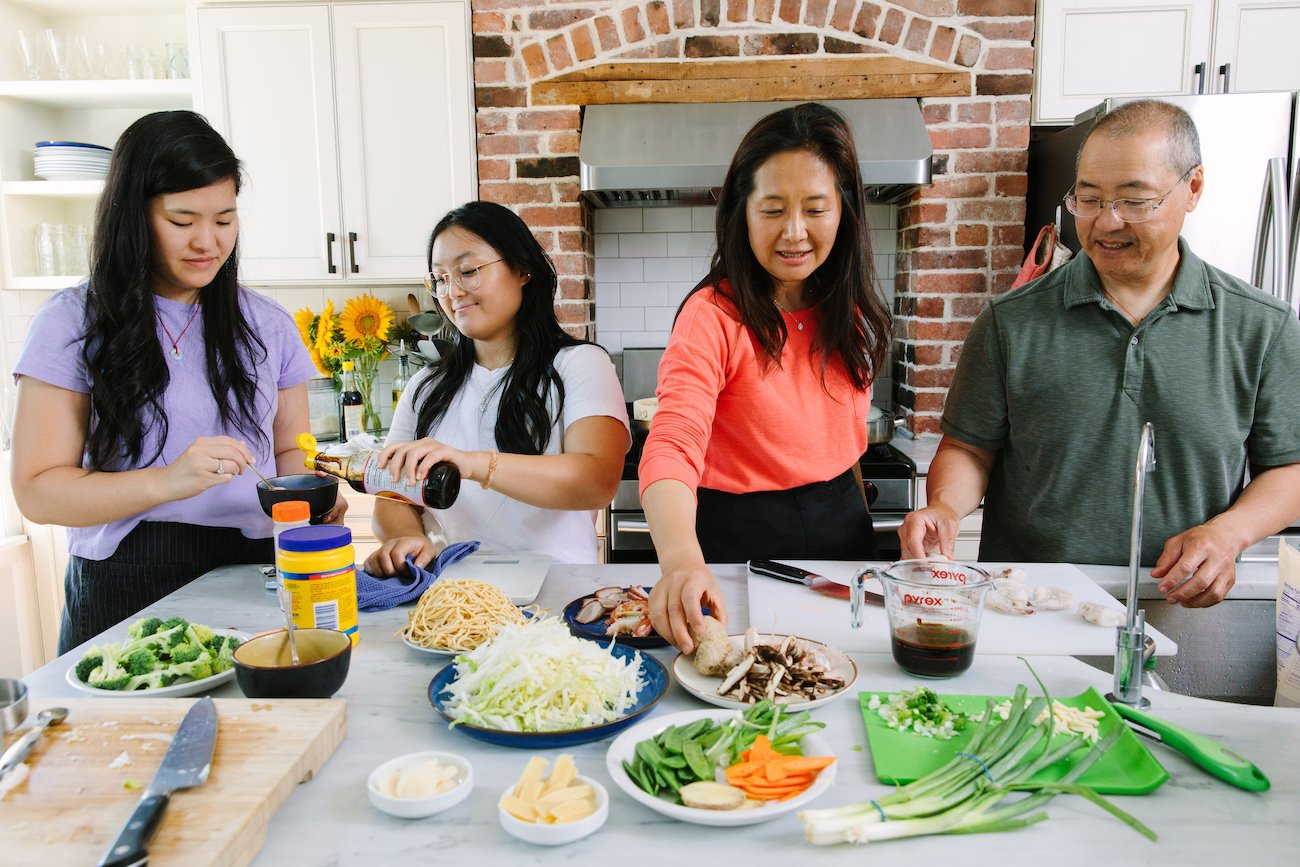
Sarah, Kaitlin, Judy, and Bill cooking together

Welcome!

We’re Sarah, Kaitlin, Judy, and Bill– a family of four cooks sharing our home-cooked and restaurant-style recipes.

Our Story

sign up for our newsletter and receive:

our Top 25 recipes eBook

Our email newsletter delivers our new recipes and latest updates. It’s always free and you can unsubscribe any time.

Wok Guide
Ingredients 101
Cooking Tools
Kitchen Wisdom
* Surprise Me! *

Save Your Favorite Woks of Life Recipes!

Create an account to save your favorite dishes & get email udpates!

Sign Me Up

Sign Up For Email Updates & Receive Our

Top 25 Recipes Ebook!

“

“I am proud to say that your genealogy has been the sole tutorial for my Asian-inspired culinary adventures for years; probably since you began. Time and again, my worldwide web pursuits for solid recipes that I know my family will eat has landed me back here.”

Beth, Community Member Since 2013

Shanghai Scallion Flatbread Qiang Bing
Eggs with Soy Sauce and Scallions
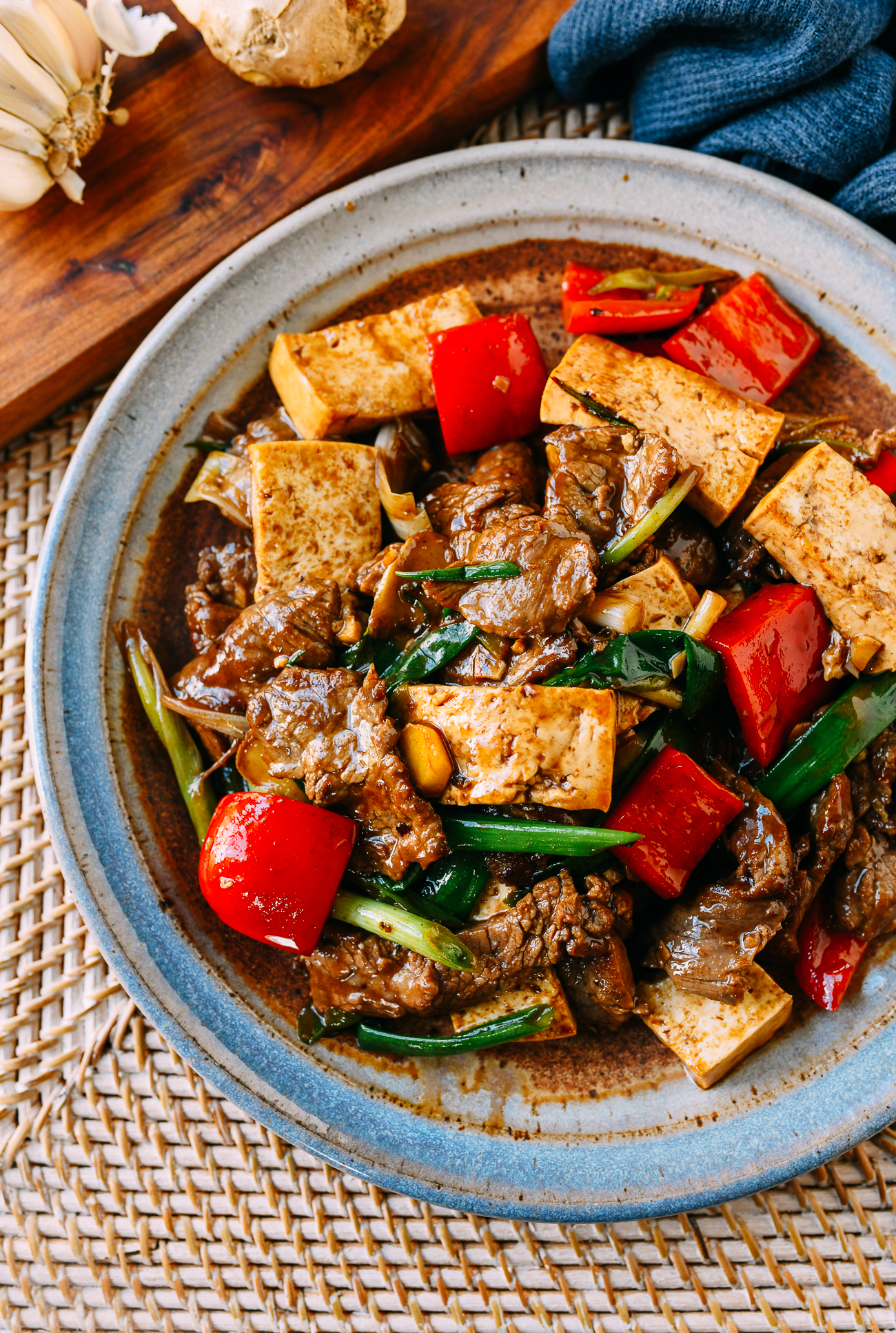
Scallion Ginger Beef & Tofu
Bill with jar of haam choy
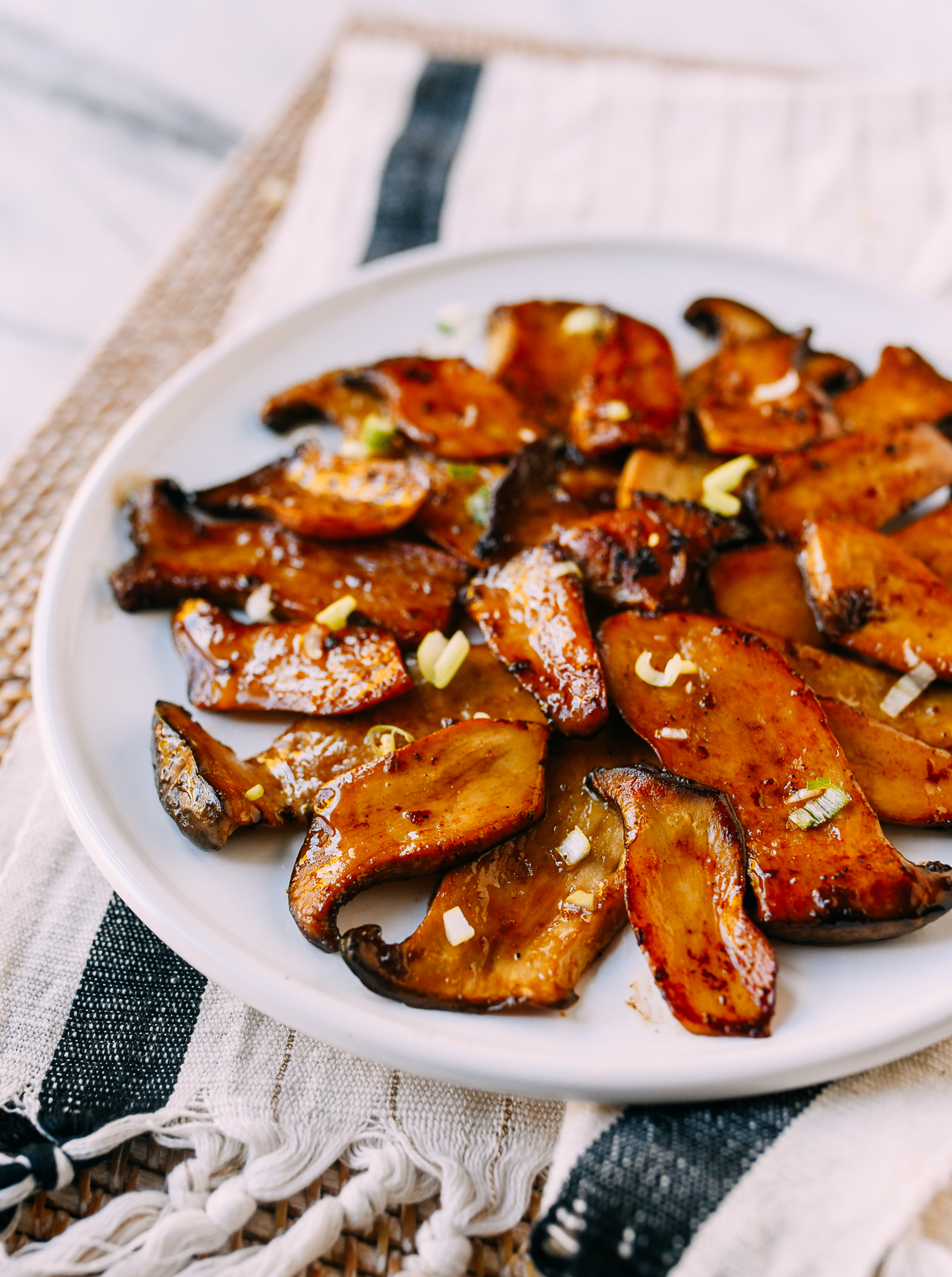
Soy Butter Glazed King Oyster Mushrooms
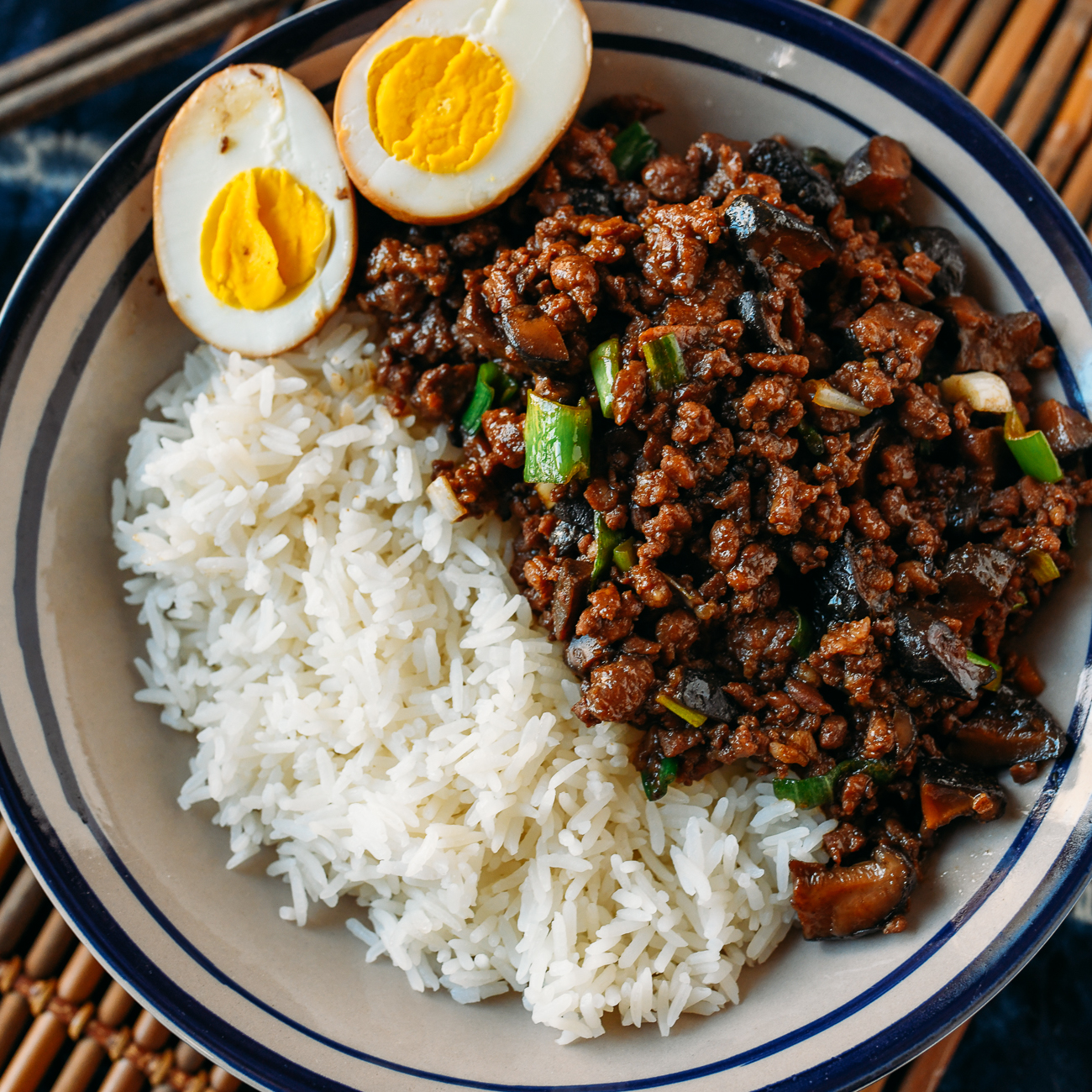
Taiwanese Rou Zao Fan
  • Facebook
  • Instagram
  • Pinterest
  • YouTube

All Rights Reserved © The Woks of Life

·

Privacy Policy

·

Disclaimer

·

Site Credits

·

Back to Top
wpDiscuz